%20scale(0.03125,-0.03125)'%20d='M78%200V1760H782V1420H436V1077H768V746H436V343H805V0Z'%20fill='%23f5f1ea'/%3e%3cg%20transform='translate(29.22,37.12)'%3e%3cpath%20d='M0%200%20L9.244171875%200%20L30.81390625%2038.115828125%20L21.569734375%2047.36%20Z'%20fill='%23e8aa4e'/%3e%3cpath%20d='M0%2047.36%20L9.244171875%2047.36%20L32.48%204.87%20L25.94%20-1.67%20Z'%20fill='%23e8aa4e'/%3e%3cpath%20d='M36.98%20-6.16%20L32.60%2011.03%20L19.79%20-1.78%20Z'%20fill='%23e8aa4e'/%3e%3c/g%3e%3cpath%20transform='translate(71.39,84.48)%20scale(0.03125,-0.03125)'%20d='M62%200V1760H402V0Z'%20fill='%23f5f1ea'/%3e%3cpath%20transform='translate(88.77,84.48)%20scale(0.03125,-0.03125)'%20d='M229%200V1422H20V1760H790V1422H581V0Z'%20fill='%23f5f1ea'/%3e%3cpath%20transform='translate(116.96,84.48)%20scale(0.03125,-0.03125)'%20d=''%20fill='%23f5f1ea'/%3e%3cpath%20transform='translate(134.84,84.48)%20scale(0.03125,-0.03125)'%20d='M78%200V1760H555Q747%201760%20834.5%201666.5Q922%201573%20922%201358V1281Q922%201157%20877.5%201080.0Q833%201003%20742%20979Q861%20949%20901.5%20838.5Q942%20728%20942%20569Q942%20398%20910.0%20270.0Q878%20142%20794.0%2071.0Q710%200%20555%200ZM422%201097H494Q543%201097%20557.0%201135.0Q571%201173%20571%201226V1403Q571%201488%20496%201488H422ZM457%20310Q594%20310%20594%20440V660Q594%20735%20571.5%20778.5Q549%20822%20487%20822H422V312Q444%20310%20457%20310Z'%20fill='%23f5f1ea'/%3e%3cpath%20transform='translate(168.35,84.48)%20scale(0.03125,-0.03125)'%20d='M498%20-16Q287%20-16%20175.5%20111.5Q64%20239%2064%20480V1316Q64%201542%20174.5%201659.0Q285%201776%20498%201776Q711%201776%20821.5%201659.0Q932%201542%20932%201316V480Q932%20239%20820.5%20111.5Q709%20-16%20498%20-16ZM501%20308Q581%20308%20581%20463V1322Q581%201452%20503%201452Q415%201452%20415%201319V461Q415%20379%20435.0%20343.5Q455%20308%20501%20308Z'%20fill='%23f5f1ea'/%3e%3cpath%20transform='translate(202.35,84.48)%20scale(0.03125,-0.03125)'%20d='M30%200%20200%201760H797L964%200H631L606%20284H394L372%200ZM419%20565H579L502%201460H486Z'%20fill='%23f5f1ea'/%3e%3cpath%20transform='translate(236.30,84.48)%20scale(0.03125,-0.03125)'%20d='M78%200V1760H618Q753%201760%20822.0%201698.5Q891%201637%20914.5%201526.5Q938%201416%20938%201267Q938%201123%20901.5%201037.0Q865%20951%20764%20918Q847%20901%20880.5%20835.5Q914%20770%20914%20666V0H567V689Q567%20766%20535.5%20784.5Q504%20803%20434%20803V0ZM436%201108H521Q594%201108%20594%201267Q594%201370%20578.0%201402.0Q562%201434%20518%201434H436Z'%20fill='%23f5f1ea'/%3e%3cpath%20transform='translate(269.68,84.48)%20scale(0.03125,-0.03125)'%20d='M78%200V1760H562Q752%201760%20848.0%201654.5Q944%201549%20944%201346V522Q944%20272%20856.5%20136.0Q769%200%20550%200ZM432%20311H493Q590%20311%20590%20405V1313Q590%201401%20566.5%201426.5Q543%201452%20471%201452H432Z'%20fill='%23f5f1ea'/%3e%3c/svg%3e)
How to Spot Fake Investors Before They Waste Your Time
Not every investor dragging out your fundraise has bad intentions — but all of them cost you time, equity, and focus. Here's how to screen them out early.
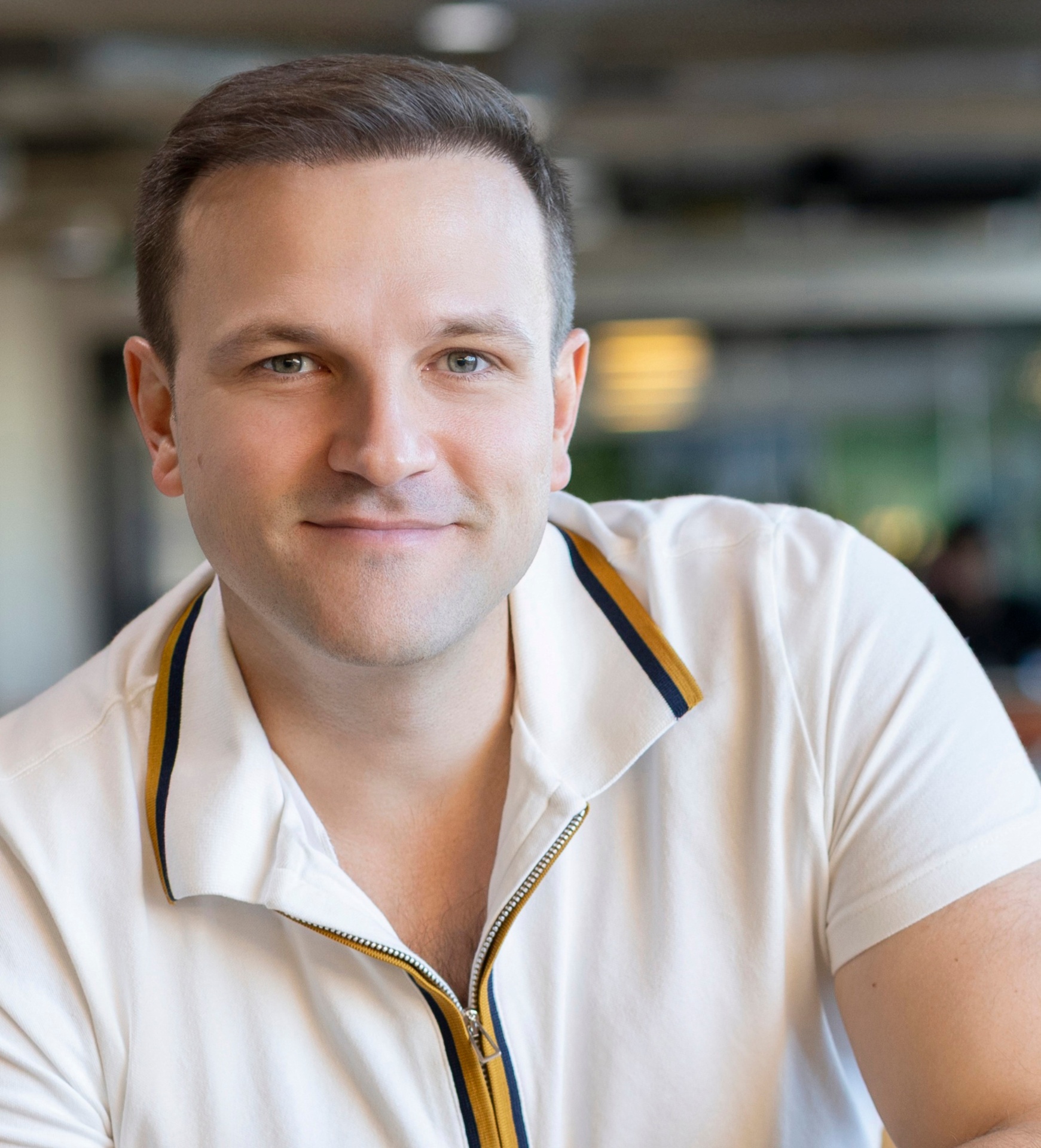 Jason Kirby· September 5, 2023· 4 min read
The short version
- Not all fake investors are malicious — many are simply out of capital, but the damage to founders is the same.
- The four real costs: idea theft, false reliance, wasted time, and equity handed over for nothing.
- Screen before you meet: check portfolio references, ask pointed fund-mechanics questions, and track recent deal velocity.
- Never adjust your roadmap based on a verbal commitment — only a signed term sheet changes your plans.
- Share what you learn with other founders; naming bad actors is how the market self-corrects.
Fake investors are one of the most common — and most damaging — traps in early-stage fundraising. The harm isn't always malicious, but it's real either way: wasted months, false hope, and in the worst cases, equity handed over for nothing.
Understanding the different types of bad actors, and the tools to screen them, is a skill every founder needs before they start taking meetings.
Not Every Bad Investor Is a Scammer
The obvious threat is a competitor posing as an investor to extract proprietary information. That does happen — founders have experienced it firsthand — and it's the reason many startups launch in stealth mode. Requiring an NDA before sharing sensitive material is a reasonable precaution, though most VCs won't sign one before an initial meeting. The right moment to ask is after early conversations, when they're requesting detailed operational data. Talk to your lawyer about the right trigger point for your company.
But corporate espionage is the minority case. More often, a problematic investor is simply someone without deployable capital — a fund still in its own raise, a manager who has nearly finished deploying a vintage, or an independent scout collecting market intelligence while waiting for fees from a larger firm. Their intentions may be entirely benign. The damage to you is the same.
The Four Real Costs of Fake Investors
Every hour spent with a non-investing "investor" is an hour not spent closing a real one. The specific harms break down like this:
- Idea theft — competitors or data brokers masquerading as investors to map your technology and market position
- False reliance — founders who assume a soft commitment will convert once the investor "gets their capital together", and build their plans around it
- Wasted time — the most common cost; a months-long drag with no check written and no honest close signal
- Equity theft — an investor unable to write a check pivots to offering "help" in exchange for advisory shares, then underdelivers or disappears entirely
Advisory equity can be genuinely valuable when advisors perform. Without performance, it's simply dilution.
How to Screen Investors Before You Invest Your Time in Them
The goal isn't to become paranoid — it's to build a quick, systematic filter so that low-probability meetings don't crowd out high-probability ones.
Do background research before the first meeting
The fastest signal is social proof from other founders. Reach out to companies the investor has previously backed and ask two direct questions: how long did it take them to write the check, and would they work with this investor again?
If there are no portfolio companies to call — meaning your startup would be their first investment — that isn't automatically disqualifying, but it demands more scrutiny. Understand clearly why that's the case before you proceed.
How to fix it:
- Search the investor's name on LinkedIn and Crunchbase before accepting any meeting
- Ask for two or three portfolio founder intros and actually make the calls
- If no portfolio exists, ask directly: what's the thesis, what's the fund size, and what's the timeline to first close?
Ask pointed questions about the fund itself
VC is a two-way street. Founders who treat every investor meeting as a one-way pitch are leaving critical information on the table. The questions that matter most are operational, not relational.
How to fix it:
- Ask when the fund closed and approximately where they are in deployment
- Ask for a typical timeline from first meeting to term sheet for their portfolio companies
- Ask who else at the firm is involved in decisions — single-GP funds with no other decision-makers are a yellow flag for timeline risk
- Watch how the investor responds: vague or defensive answers to basic fund mechanics are a signal
Track investment velocity, not just reputation
Reputation can be gamed or simply outdated. What matters more is recent deal activity. An investor with a strong brand but no new investments in six to nine months is likely out of dry powder, regardless of what their website says.
15 signs to spot a fake investor covers several behavioral red flags worth cross-referencing with your own diligence. Meet Capital's breakdown of how to deal with fake startup investors is also a useful tactical companion. And if you've already relied on capital that was later withdrawn, this guide on the risks of not receiving investment outlines your realistic options.
What to Do When You Can't Be Sure
Even with rigorous diligence, some non-investors will get through. The fundraising process has no perfect filter. The practical response is to:
- Set hard internal timelines — if an investor hasn't moved to a second meeting or requested materials within three to four weeks, deprioritize them
- Never adjust your operational roadmap based on a verbal commitment from an investor without a signed term sheet
- Share what you learn with other founders openly — bad actors lose deal flow when the founder community names them; good VCs know that reputation is their most important long-term asset
VCs need a good reputation to get the best deals. Founders naming bad actors isn't just self-protection — it's market correction.
The two most useful real-world examples of founders who navigated this well: Michael Houck of Launch House raised from a16z after building entirely from cold — his story is a case study in how warm relationships built over time compress investor diligence timelines. Eziah Zaidi of Mend Labs, which raised a $15M Series A for a total of $20M raised, took a targeted approach to mission-aligned investors and emphasizes that warm introductions aren't just nice to have — they let you skip the early credibility-building that cold outreach requires.
Both founders treated investor selection as rigorously as investors treat company selection. That symmetry is the point.
Written by Jason Kirby
Questions founders ask
Should I require an NDA before meeting with investors?
Most VCs won't sign an NDA before an initial meeting, and requiring one upfront can get you screened out. The right moment is after early conversations, when the investor is requesting sensitive operational data. Talk to your lawyer about the specific trigger point for your company.
How can I tell if an investor is out of capital?
Track their recent deal activity, not just their reputation. An investor with no new investments in the past six to nine months is likely low on dry powder. Ask directly where they are in fund deployment and what their timeline to next close looks like — vague answers are a red flag.
What should I do if I've already relied on an investor who never wrote a check?
Don't adjust your operational roadmap until a term sheet is signed. If capital was promised but never delivered, deprioritize that relationship immediately, document what happened, and share the experience with other founders in your network so they can avoid the same trap.
Your situation isn't generic. Neither is the answer.
Ask your question and get a straight answer, sourced from 100+ founders and investors who have raised and exited at scale.
Ask your board