← All episodes
Sep 19, 202346mEpisode 16

How do you raise an $8M seed from VCs and celebrities?

The short answer

Bezel founder Quaid Walker raised an $8M seed round by intentionally stacking his cap table with celebrity investors like Kevin Hart, expert operators, and seed-stage VCs. He reveals the tactical decision to delay the public announcement for over a year to weaponize it as a strategic growth lever, not just an ego boost.

Market Context

What 2026 exits actually pay for SaaS

Miro had $600M ARR and 250,000 enterprise customers. They sold for $1.79B — roughly 3x revenue. Their 2021 investors took a 90% haircut on their mark. This is the current market clearing price for quality horizontal SaaS. If you are building toward an exit, you need to know which multiple category your business belongs in — before your board does that math for you.

Highlights

  • Raised the entire $8M seed round on uncapped SAFEs with no discounts.
  • Ran a 3-week process with 70+ meetings to generate multiple competing term sheets.
  • Delayed their fundraise announcement for over a year to weaponize it as a growth driver.
  • Triggered 50% month-over-month growth immediately following their strategic PR announcement.
  • Built a cap table for an 'unfair advantage void of the capital' with operators, celebs, and VCs.

The full breakdown

Quaid Walker, co-founder and CEO of luxury watch marketplace Bezel, raised an $8 million seed round by treating his fundraise as a tool to build an “unfair advantage void of the capital.” As a first-time founder, Walker strategically structured the raise in two parts: an initial $3.5 million closed in August 2021, followed by an additional ~$4.5 million at the end of 2022. The entire process was designed to construct a cap table that provided more than just money. Walker intentionally targeted three distinct investor archetypes. First, he secured stage-specific VCs like Box Group and Quartzside Ventures who understood the seed stage. Second, he brought on cultural influencers and celebrity investors, including Kevin Hart, John Legend, and Steve Aoki, to align the brand with modern collectors, noting that “60% of the pre-owned watch market is kind of requested by millennial and Gen Z buyers.” Finally, he added credible watch dealers and experts to build trust and unlock early hires for Bezel’s critical authentication team. To create leverage, Walker ran a “tight process,” taking over “70 plus meetings in probably a two to three week period” in July 2021. This generated multiple competing term sheets and allowed him to protect against dilution in a founder-friendly market. The entire $8M was raised on uncapped SAFEs with no discounts, a structure Walker prefers for its speed and founder-friendly terms. He noted the second tranche raised in late 2022 was a different experience, shifting from a “storytelling discussion” to a “metric driven discussion” as the market turned. Bezel’s most potent tactic was delaying its fundraising announcement. After closing the first round in August 2021, the team remained heads-down building for nearly a year before launching in June 2022. Instead of announcing then, they decided to raise more capital and consolidated the entire $8M+ raise into a single announcement in January 2023. Walker described this as their “kicking through the door, Kool-Aid Man style” moment, which directly fueled growth, leading to “several 50% month over month growth moments in a row.” This transformed the announcement from a vanity press release into a calculated business development and customer acquisition event.

Who's on this episode

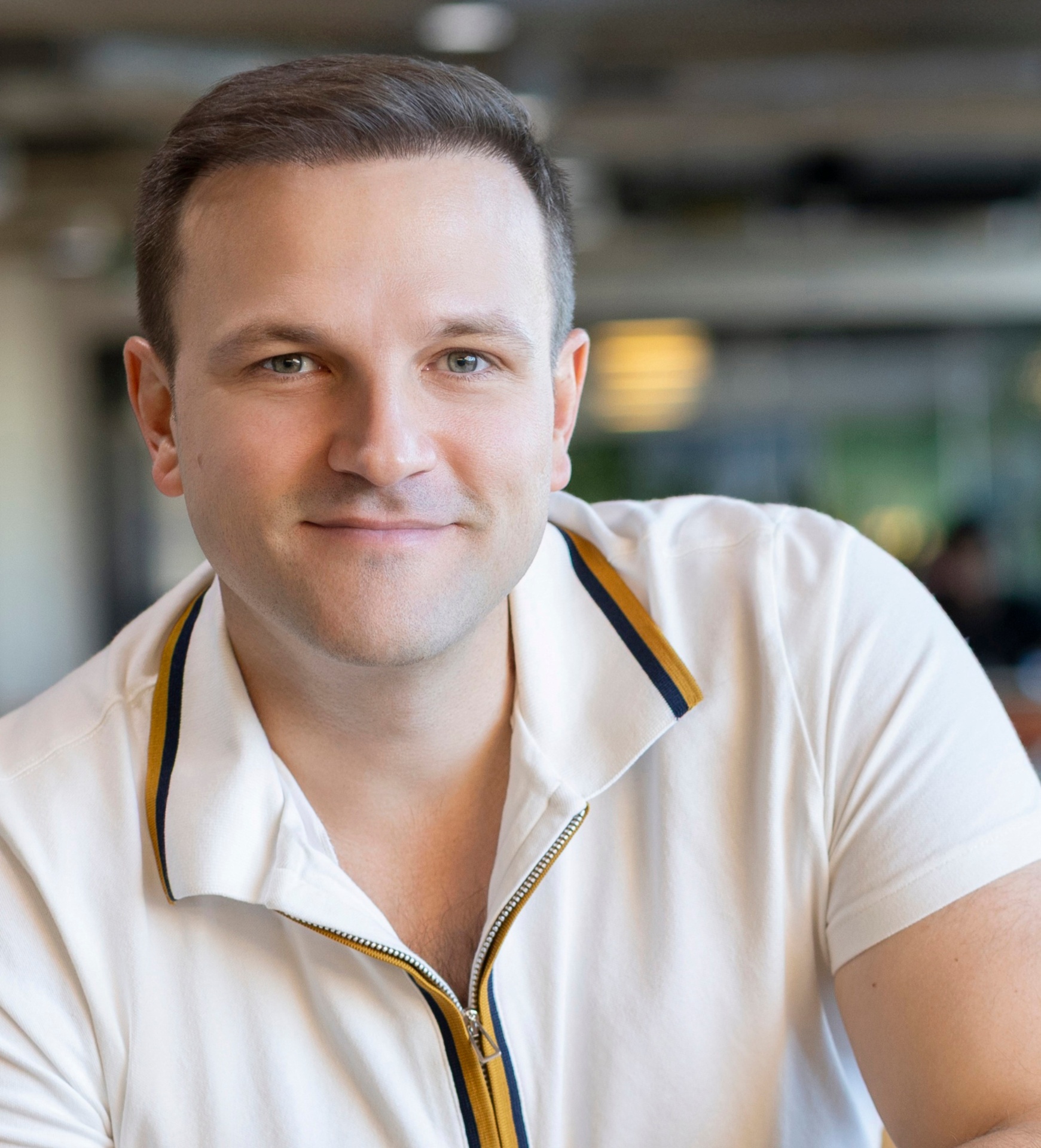
Quaid Walker
Quaid Walker
Co-Founder & CEO · Bezel

Quaid Walker is the Co-Founder and CEO of Bezel, a marketplace for authenticated luxury watches. He spent most of his early career on the product side at Google, where he was part of the team that launched Google TV. His personal experience navigating the intimidating and fragmented secondary watch market inspired him to create a more trustworthy and premium platform for collectors. Under his leadership, Bezel raised an $8 million seed round from investors including Quartzside Ventures, Kevin Hart, and Steve Aoki to build a trusted, app-first experience for buying and selling luxury timepieces.

Questions answered in this episode

References & resources

Hosted by

Jason Kirby
Jason Kirby
Host · Founder, Thunder.vc

Podcast host, angel investor, and serial entrepreneur with 4× exits ranging from small businesses to VC-backed tech companies. Jason has been personally involved in over $100M in transactions and now helps founders close their next transaction at Thunder.vc, from pre-seed rounds to $100M exits. He coaches founders through their next major transaction and gets the deal done by introducing them to the right people in his network.

Apply to work with Jason

Full transcript

tell us about your fundraising Journey it you know from what you told me prior to this cause chopped up in a couple bits and kind of walk us through what your strategy was kind of the timeline of everything when you came from getting that first check to you know closing out your last check we ended up raising three and a half end of 2022 we raised six or so million more dollars our goal was that we only get one shot knocking it out of the park for our customers if we're able to show someone how awesome it feels to buy from us they will not buy anywhere else welcome to episode 16 of fundraising demystified the podcast where we uncover The Untold Stories of startup Founders who have raised Capital to bring their Visions to life me Jason Kirby as I interviewed these Founders and dive into the Hidden Truths of how they got funded today we have Quaid Walker an ex-googler now CEO and co-founder of bezel a luxury watch Marketplace that announced their eight million dollar seed round earlier this year from investors like Courtside Ventures Kevin Hart and Steve Aoki Quaid shares what it's like to raise from celebrity family offices being intentional about their raise and why they held off announcing their fundraising until much later and so much more let's go ahead and get started welcome everyone to fundraising demystified today we have Quaid walk around the show with us uh from bezel thanks for joining us on the show today quick awesome thanks so much for having me well I would love for you to just go straight into just sharing a little bit about you and your background and how that led to you starting bezel absolutely so first off Dazzle is an authenticated luxury watch Marketplace and I guess the the best way to probably start is to to go into my background a little bit to kind of walk through how we started it so uh my background I spent most of my career at Google uh while I was there I was very much kind of on the product design and product side of the the court there um but I was also kind of obsessed with watches while I was there so uh uh my very first bonus that I ever received from Google I I bought a Rolex with it and and some would say that maybe wasn't the most rational decision at the time but I got to have this really awesome experience of you know nerding out in the watch space realizing the very like liquid aspect of the space watching these prices fluctuate and change and I got very hooked to the mechanical nature of the industry it was such an interesting juicy position uh to what I was doing every single day staying at my computer screen Building Technology products and the way the kind of bezel started for me was it was such an intimidating process to buy my first watch I was one of the naive individuals kind of in the early stage of my career where I thought I could walk into a Rolex boutique and just take a bag of money to buy the watch and uh in reality there's massive wait lists for all the pieces that I had wanted and I was kind of politely ushered out of the door and pushed into the secondary market and then once I was in the secondary Market uh it became this very much shop the seller mentality it was on me to vet the sellers and who to trust and different collectors gave me different pieces of feedback and there was just generally a lot of distrust associated with a lot of the existing marketplaces at play my local dealers didn't have what I wanted in stock and I was just so used to buying sneakers and other verticalized products and products like stockx and goat that kind of my expectation as a buyer and a product person was how do we build something or something should exist like this in the watch space so that's kind of what naturally kicked that off my co-founders and I happened to all be kind of watch and kind of Technology adjacent individuals and we kind of jammed on the product from there and and the goal with bezel was how do you build out a product where you have the vast inventory of the watch world but everything that I transact on I know that bezel is authenticating it and I can trust that aspect of the purchase so the way the bezel works is we have just north of 300 million and watches available on the platform today we are app first so the goal is to kind of have a really premium product that feels like it you know it's built around the luxury of the products that we are selling and does them Justice anything that is purchased overnights to us we have our headquarters in Los Angeles we spend about a day or two with every watch it's going through multiple hands we have a really robust authentication team in-house so they're doing everything from you know inspecting multiple touch points of the watch to running it against a Time loss test a pressure test we're making sure it was ever reported stolen the whole goal is to make sure if you are buying a watch on the platform you're getting everything that you could expect and more we then overnight the watch to you and the goal is you know you press purchase and within three to five days you're receiving the watch you can put it on your wrist and really enjoy it knowing that's exactly what you expected to it by now so I appreciate you giving us context on the brand and the offering and uh you know something I always like to kind of dive into that I don't always get the opportunity to do so uh in these stories is yeah you you have a great kind of origin story a personal need seeing the opportunity but what about your co-founders how did you find your co-founders did you already have an existing relationship and kind of had you assemble that original team it's a great question and really happy you asked it because when I talk to Founders it's the thing that I'm most excited about is that we have I got so lucky with the co-founders that I have in this team and I think that's so important so uh it's three of us um one of my co-founders name is Chase plyon he has very much a finance background and an operational background he comes from kind of the the finance in the hedge fund world he's also been one of my best friends since I was in third grade so we have such an interesting complimentary skill set that when I thought about building this business he was always the person I would call and he would help me validate things in 99.9 of the concepts that we wanted to work on in the past he would shut down for you know a number of reasons um he was kind of the you know the the one that was responsible for the viability from a financial perspective with the business and uh he happened I called him the day I thought about this and it was a very different response like he took it very seriously it wasn't like you're crazy and um we went out and kind of did an analysis in the industry he happened to have been even more of a watch guy than than I was I I kind of I didn't really grow up in a family that that wore watches at all I always thought they were interesting I grew up surfing and like loved having like aquatic watches on my wrist to kind of back up that lifestyle but it wasn't until I kind of got my first meaningful paycheck that I was able to kind of dive into the collecting aspect of watches Chase I think grew up with a background where he always had watch magazines and was obsessed with that so that's by kind of co-founder on on that side and then um Daryl Johnson is our CTO and our third co-founder him and I had worked on previous startups together and jammed on things in the past he was at Google with me so we had built like a really awesome friendship around building products and and I think Daryl's super power is he cares about the product execution as much as he cares about the implementation of it like he wants to build really beautiful amazing products and that just is so important in the vertical that we are if you're selling luxury the goal is that the product should feel like it represents that and Daryl uh always appreciated watches but I think now seeing seeing it kind of from the belly of the Beast he now has a collection of these built up so he's been able to kind of experience it through the product as kind of a new year as it was it's been so awesome to see so I think we're coming at it from all angles where Chase was probably the biggest watch head out of all of us I was kind of a more you know budding Enthusiast with a couple Rolexes and APS and things like that and Daryl was relatively fresher so we're able to kind of cover all aspects of the the Spectrum here at bezel now it's uh it's a great founding story and I um you know it's it's fun to kind of hear those origin stories we get to work with such a close friend for such a long time uh it's not common that skill sets align with friendships that last that long it certainly makes the late nights a lot easier and more fun when you you love who you're working with that's fair well let's dive into the meat of it let's talk about your fundraise you announced a eight million dollar seed raise in you know early this year around January 2022 or sorry try try three yo tell us about your fundraising Journey you know from what you told me prior to this cause chopped up in a couple bits and then kind of Consolidated into one clean announcement but yeah it'll kind of walk us through what your strategy was and you know kind of the timeline of everything when you came from getting that first check to you know closing out your last check absolutely and I think the important thing to mention is that my co-founders myself are first-time Founders so uh we had kind of robust product backgrounds that had launched a lot of things within kind of larger organizations but this is our first kind of Step at doing something larger ourselves so uh we're very intentionally about a fundraising process the way that we broke everything out we closed our first round in August of 2021 um we closed that round kind of just as we were segwaying out of our our last job so it was really I came from the Google background had just I had launched Google TV while I was there and got to see that trajectory of going from you know a four-person team to a multi-hundred person team an idea on a whiteboard to a product that Google launches so I understood the life cycle of that but the fundraising process was incredibly intimidating when you first started that so the way that we started our process was making sure we got previous operators as our first Angel checks to help kind of segue us into a more thoughtful approach to this process so I had a bunch of folks that I had the pleasure of Consulting for or had worked for or had just known in network that had had previous exits had had kind of built awesome businesses and just were like really impressive operators they were our earliest Angel checks uh and and it's the same way that I said I had the concept I called Chase like my third call after that was one of these operators and he just said he was a whatever it was a twenty five thousand dollar check like whatever you're doing I'm here to support you in doing that and he kind of segued and in all in any ways quarterbacked a lot of the early stage meetings so we ended up raising three and a half in our very kind of first round before we just as we were segwaying away from our business the way that we structured that round was very intentional we wanted kind of three types of individuals into that round we wanted really really strong Siege level Venture so uh a lot of our kind of advisors at the time were kind of stages on focus on stage specific Venture at the stage like it's like a fun that really gets seed so box group led the round um as well as um kind of Courtside Ventures and Abstract Ventures the focus on intentionally like being very seed specific and really understanding kind of the luxury space the second type of individuals that really cared about uh were folks that are kind of you know setting this new culture of what it means to be in a collector for watches so folks like the John Legends and the Michael rubins and the Kevin Harts of the world um and Steve Aoki and Kyle kuzma and all these big names that you know are really setting the tone I think of what it means to be a modern watch collector the big data point that we found kind of in the research before launching this business was that 60 of the pre-owned watch Market is kind of requested by Millennial and gen Z buyers and the watch Market itself I think is perceived as decidedly older so the thinking was how do we leverage these larger name investors to supplant ourselves from a brand perspective to start establishing this narrative that you know we're doing this differently in a little bit of a fresh are in more honest take um and then the latter group of folks that we cared about were just really really strong watch knowledge so um I think the coolest part about building this business is that I was able to empathize with the first time watch buyers and that's kind of the ethos of what we were trying to build but in order to kind of have the credibility in the industry we wanted to have really really credible dealers folks like John Reardon or um you know really really big names in the watch world that have had years of success in establishing their own personal brand to kind of supplant that authenticity that allowed us to unlock some of our earliest hires and really build out the best of the best from the authenticity and watch side internally in the business and what was it like raising money from you know notable celebrities that uh like Kevin Hart and the other ones Steve Aoki like did you get the chance to to kind of meet with them is it down with them or was it kind of like a blind check from like one of their managers how how did it uh work out for you it's a great question and uh we were super lucky that that uh even so in the first round we were just a pitch deck we hadn't built anything and then we had kind of some follow-on Capital happen a year later like we had meaningful revenue and we had built out of business and so the process was a little bit different on on either side um but we were super lucky that that most of the kind of celebrity or more notable investors in the round we have a personal relationship with through the round so um the cool thing about our business I like to always jokingly say like we're not building something that is conceptually complex to understand like a lot of our investors are watch Fanatics and they love watches they felt this pain point of trying to access watches and find watches so um it's super fun to just get in a call with a lot of these folks and just jam on their collecting Journey what they care about watches and how we can use their voice to continue to kind of perpetuate other folks experiencing watches in a better way um so yeah most of them we got introductions through various Venture investors Angels things like that we got on the phone with with most of them and just kind of jammed through what we thought the vision for the business was and and it obviously resonated with a good amount of them and and we kind of worked on it from there and and they've been insanely valuable like we'll have I can think about last week we're working on kind of a feature we haven't released yet and we wanted to get advice uh from you know like John Legend and so he's cool enough to get on the phone with us and you know and give his feedback and it's super influential to what we're building and so I think that's been awesome in the sense like they haven't been totally just like we interact just with their manager or their fund or something most of them roll their sleeves up and and actually want to help get involved yeah and that's great to hear because in a lot of cases you know and you know working with celebrities they often have to go to the manager or they might get really excited about the investment and they all want to go in and then they're like all right we're gonna write quarter million dollar check and then the manager comes back and says uh we'll give you 30. totally uh so kind of like you know did you have to go through the manager like what was that kind of experience like yeah it depends a 10 second a person to person also is like some of them have funds themselves right and so some of them are personal checks some of them were checks out of their family office and some of them were checks out of their actual Venture fund and so the process is different for each of those obviously if it's a personal check it's sometimes the manager involved but largely it's kind of their decision in in making this and ultimately they're the one that's that's pushing that forward all the way to the other side of the spectrum where if they're investing out of the fund then you know we're still doing partner meetings we're still running like a process with them um and then kind of the the asset of having them on as a fund is is not just the fund but also like they want to get involved and roll their sleeves up and be helpful as well so it kind of depends I think we've seen all aspects of of that in the sense that we have folks that just jump in and chat with us we have folks that have a manager that want to get involved and we have the fund as well and you know in your fundraise you know so looking at either the celebrities Angels or the you know the funds themselves yeah what were some of the friction points like was it you went out to a couple and you know you hit it off or you know were you constantly grinding hitting the pavement trying to get as many meetings as possible like you talked a little bit about who you want on your cap table but yeah you didn't really talk about how you got them to the table totally so um the first kind of go to market with the fundraise we launched the fundraise in July in July yes because I remember I was thinking about leaving my job to do this from Google and it was around July 4th so I had some time off to like think about this right and I remember we went out to Market and July 4th especially in 2021 when the market was a little bit zestier I guess is the third I would use um a lot of people were out of town they were traveling like it was not the best time to to be raising from people being an office perspective um but we tried we did our best to run a tight process we're big fans of that here so uh we took I would have to say 70 plus meetings in probably a two to three week period and the goal being how do you consolidate as many meetings as possible so that you get as many yeses as possible so it kind of creates more of an irrational environment where terms are on the table and you have multiple people moving faster and trying to throw terms and allow that to kind of fluctuate your your evaluation and get it to a place that you feel better about um so that's how we ran our our first process it went incredibly swimmingly as far as like comparatively trying to raise money at you know later stages in different markets like I recognize how lucky you lucky we were to raise in 2021 um where the you know but it's still a roller coaster where you have the first conversations and then you hear no's and then you hear maybes and you're waiting on maybes they become those then you hear yeses and as soon as kind of that first yes turn the table then it became how do we fit everyone in and how do we get ownership targets and who I really want to have this person but they want this much and how do we make how do we save space for this meeting that we have coming up with this other strategic so I think that was the the problems that we face which in retrospect are like very awesome problems to have when we raise kind of the add-on capital and and to explain that a bit more we raised three and a half in August of 2021 and then we realized kind of you know we did everything through a safe we're big fans of kind of keeping safes open to keep strategics coming in and making sure that if you know if someone really interesting wants to be part of the business like we have a note available for them we ended up making the kind of a strategic decision that we didn't want to raise an a yet that we maybe wanted to bring on a few more strategic Partners to help us scale the business so uh and kind of end of 2022 we raised six or so million more dollars and uh that process was very different like the environment was a little bit stricter the market had certainly turned and it became less of a storytelling discussion and more of a metric driven discussion so our first round was selling the dream selling the team and our ability to unfairly execute on the dream and then the later stage was what have we done why is our product different and where are we going with it um so I think in being intentional about that the second round took a little bit longer but we were able to kind of get it done we focused a lot on strategics that we kind of LED this week We've Ended up fusing both of the rounds into one larger Siege round and that's ultimately what we announced in January thatcha and you know why did you hold off on the announcement uh yeah it sounds like you know you Consolidated kind of all your you know Capital raising and I imagine it was multiple notes over a different period of time as you hit certain Milestones maybe the valuation changed or terms changed um yeah what was kind of your strategic uh point of consolidating the announcement not necessarily the raise but like the the announcement itself it's a great question I think there's a Planned answer and then there's a more real answer I think the planned answer was we wanted to focus on building the foundation of what we were trying to build and Leverage The fundraising announcement as a like we've arrived right and to put some numbers on that we we left our jobs in August we raised our first round in August we built and built and built and it's like welding two sides of the marketplace and Logistics of the shipping and the database of watches like so it's a relatively complex product from a scope perspective so it took us a while to make sure that we were delivering it what we would say like the bezel quality is so we ended up ripping off the wait list and and launching the product in June of 2022 so it took us like almost a year to just be heads down building we were selling watches in like a closed beta as far as early as January of 2022 but you know it was mainly about like is the FedEx API going to work for us and like from an authentication perspective like our goal was that we only get one shot at absolutely just knocking it out of the park for our customers and making sure that they just absolutely trust us because our belief was if we're able to show someone how awesome it feels to buy from us they will not buy anywhere else and to make good on that promise you spend a lot of time iterating and keeping it very internal and scaled so the thinking was you know in January of sorry June of 2022 will launch the product and we will also announce fundraising at that point at that point we also had the same realization of like wait why don't we bring some more capital in while we have this interest why don't we get some big names and give ourselves like an unfair Advantage so we ended up pushing out that announcement to January of 2023 once we got in six or so million more dollars made a splash year 8 million plus announcement in Bloomberg and kind of Leverage that as our real like we've arrived and it was had a meaningful effect on the business in the sense that you know 2023 has been a meaningful growth year you know we've had several 50 month-over-month growth moments in a row um just coming kind of coming off of that so yeah it basically it was our kind of ticking through the door Kool-Aid Man Style versus you know just trickling out the announcement and and not using the height no and see I think that's something important for a lot of Founders to realize is you know there's a very strategic value add to the business give me your audience you know you probably want to get in front behind it with individuals sign up with individuals read Bloomberg Wall Street Journal these types of things totally uh and so it wasn't just a an ego boost like yeah we raised money which is often majority of fundraise announcements uh it was more of a strategic business value add um as far as why and when you chose to to announce and you know making sure that you maximize that opportunity and also didn't announcement too early when maybe there might have been some Kinks or flaws in the in the user experience exactly and I I think whatever our like most valuable operator investors from the very beginning challenged us to think about fundraising as a mechanism that gives us an unfair Advantage void of the capital like what can we do to leverage our investors to give us press moments what can we do to leverage our investors to give us buyers to give us suppliers and like the supply side so we were very intentional about getting the right people around the right table that if I heard of another business raising capital and I looked at their cap table and I saw those individuals I would say damn that sucks like that's like that's they're really equipped to get the job done because of this and so that's the way that we thought about fundraising and the announcement of it versus just getting eight plus million dollars in the door to build the business yeah you've mentioned now a couple different points on you know looking beyond the capital and you know thinking about you know who's on your cap table the impact they can have uh why you want them on your cap table and you know ultimately that kind of unfair advantage and I think that's uh kind of a key takeaway for for Founders here to understand that there's just so much more than money at stake when it comes to raising capital and when vccu coming only for money and nothing else it's usually a you know deterrent um but when you have a dialogue around this type of you know strategic value add the VCS feel like they're going to have more impact higher potential return on their investment when they feel they might have a little bit of control totally leads me to my next question you know when you were out in Market uh and raising Capital you know it sounds like you were leveraging your network seeing where you can kind of get into were you dealing with competing term sheets were you kind of seeing multiple offers and kind of have it at pick and choose who is best for you kind of like once you got out there and people were bought you know buying what you're a salad you know from a capital raising standpoint you know what was your experience when it came to dealing with term sheets and kind of choosing your partners totally I think we had a very short list of folks that we really wanted involved and our strategy to get that done and I and I'm a firm believer I mean granted we haven't been fundraising in a little while so I like this Market is potentially a little bit different I've been hearing that fundraisers are just generally taking longer um and that makes it total like so much sense but certainly in both the rounds that we've done in Gatsby fuse in one round so the round that we have done I think the tide process worked for us and the whole goal of a tight process is to to get as many term sheets as possible in a short period of time so that you have the like you are in control of the process versus having a term sheet that is kind of going to expire or whatever it is and you know just like waiting and she's like you have less loud you have less leverage and I think the control is taken out of the Founder's hands in that situation so we certainly had multiple term sheets that were were given to us at the same time and we had to make the decision I think going back to kind of what you said and what I was saying as well the decision was was easy for us though because we were very intentional about like we wanted the specific investor to be involved because of the value they provided which is X right like it wasn't just the capital it wasn't just the name it was we want to access this type of customer and they have a ton of portfolio companies that are really good in this space and they can connect us with previous operators that can give us an unfair advantage logistically to assess this we want to hack Supply this way and these investors are dealers themselves and so they give us an unfair Advantage hacking Supply like I think being intentional about like the chess move that happens after the capital is in I think makes the decision-making process a lot easier the other thing too is like I don't think people talk about how stressful that is where the pendulum shifts from wow how are we going to get anyone to invest in this business to these are all incredible people like how to how they they're in there like calling my phone trying to invest in this business like I don't want to say no that feels crazy like how do I how do I figure out a right path and we were just really lucky to get the right people around the table and most a lot of people got the ownership requirements a lot of people maybe didn't get the ownership requirements they needed in the first round but then they came back in in the second round and ultimately it kind of made its way out so yeah I think the goal is just being very intentional about what happens outside of the capital and and making sure you're working with partners that understand that and and I'm super Lucky in all the the partners that we have on the investment side are so found their friendly and they're just in our corner and they understood the entire process like they weren't trying to land grab and take as much ownership as they had like a lot of the funds that we working with us were realizing that it made a lot of sense for us to hold off a slug of the round to be given to strategic investors because it gave us a better chance of succeeding so they eased up on their ownership targets to allow it to happen and and uh yeah so I had a very pleasant experience with that but I recognize that maybe that's not always the way that it goes and uh you know it really depends like a lot of Founders that you know if there's especially any kind of inflection point or things are really kind of clicking or you know just Stellar founder team you know things can usually go pretty I would say fair is probably like the the right word uh and fair is often ideal across across the board um when you get when it came to getting those multiple term sheets and you're seeing multiple offers on the table you know you kind of mentioned what ultimate ledger to your decision but was there a strong discrepancy in terms of terms or you know valuations or lick press or anything of that sort that you kind of had to sift through yeah and I think the two times they went to Market they're very different right like in 2021 we went to Market and you know you you can imagine like weird like people are still on very much so like you're getting up 20 of the round typical kind of dilution targets for Rounds type of a thing and we were able to really protect ourselves with dilution and get evaluation that like is decidedly higher than than you would that I would think we would have gotten at that stage because we played the tight process and we didn't jump early like it's I think we got terms that were earlier that were lower than the terms that we accepted later and I don't think it had anything to do with the fund it had to do with like I think funds were trying to get the best deal for themselves and we were trying to get the best deals for ourselves and ultimately we ended up meeting at a happy medium to get the job done the way that I think we should have gotten it done and there was more leeway for that right like I could go back and and kind of say Hey you know you want to hear your ownership Target maybe instead of doing a million dollars you do 1.5 and the valuation is higher or instead of doing 500 Grand you do a meal whatever I could have those conversations and it was just more of I think a founder-centric market that we got those done I think uh raising in 2022 the conversation was was harder and it was more like we had evaluation in mind we had someone to lead that that kind of extension at that valuation and it became less of doubt trying to walk that up and more about trying to prove that valuation to other really intelligent investors that maybe didn't have the same inside look that the other investor did um so I you know it was a lot it was this it was equally challenging but for very different ways and it was you know it's always a roller coaster but it was just you know a different roller coaster and how many VCS do you think you kind of met with or pitched to or kind of set your materials to over that period of time I mean we're big fans of taking meetings with anyone that that seems like they're interested in the business and and excited about it because the worst thing that comes out of it is oftentimes an intro to someone else or not a great conversation about someone that loves watches um a lot of the the investors that are in around or that didn't make it around or didn't even want to invest in us for some reason ended up being customers of ours so that's like a fun thing that we have like we are selling a product that in a service that a lot of people in ventured tend to really like so we have a lot of really interesting colorful awesome conversations with that so we've had so many Venture meetings I would say and when we did our first round I I remember like going back and and chatting with my friends and family at the time and just just being like whoa this sucks like I heard five no's today like that's a you're you're burying your heart out there and you built the deck and you still read great about it and you're doing it with your best friends and your feels so great but then you're hearing nose and you're like I don't know if we're gonna be able to do this and then I think you just get used to the reality that uh you're gonna hear a lot of no's and you're going to hear a lot of yeses and both are stressful and you have to just the only way that you can make sure you're getting what you want is you're just doing it all again the next day and you're having as many meetings as possible and meeting as many great people I will say a lot of the folks that I saw wouldn't be that valuable have been the most valuable and so I think our Outlook is take the meeting have the conversation and you know we are very heads down but there's there's always extra time in the day to have a great conversation so um I would certainly think that we've had hundreds of venture meetings or or investment meetings whether it's with angels or you know more institutional funds I'm glad you added some color to that too because the way you kind of mentioned it sounded like you met with a very specific amount of VCS and that you know they all kind of participated so I'm glad you added a little bit more color that you know it was a little bit more of a journey and you know meeting with lots and lots of different PCS but you know like you said you're essentially selling to customers too uh you know these are yeah yeah so it creates a win-win across the board um and so you know one thing you kind of mentioned why you did safes and how you've done sales all the way through so you have not done a priced Equity round to this point we have not so I guess kind of what's that strategy down the road you know when you know multiple safes getting stacked often the you know can hit pretty hard depending on what those terms are if there's discounts on those Turners and whatnot uh you know kind of what are you foreseeing in the future when it comes to doing a price Equity around and consolidating those safes totally so we've been very clean with the safes it's just based on caps there's been no discount insert anything applied to any of the saves from an internal tracking perspective we have like an internal cap table document and we treat it as if they were price rounds so I think I've been chatting with other Founders about this I think the aversion to stacking safes is that it's easy to get lost in the sauce and not thinking about the applied dilution associated with all of those saves and so I can't even say credit to this like my co-founder Chase is is like an Excel Wizard and and has a very strict Financial background and and operationally is very on top of everything and is one of the smartest people I've ever met so it's just very good at organizing this and so we're like acutely aware at any point in time where like our dilution stands because I think it's a responsibility as a Founder but also responsibility to your employees to just make sure you're not being flippant about that I think the reason why we chose safes is I think if you if you're keeping track of them they are really founder friendly they are fast they do not require a bunch of time with your lawyers that's expensive and they've allowed us to have someone sign a safe and then have the capital in the door like within the same week which is just like a huge luxury I advise and I've I've consulted for many startups I know that have done Recaps and really complicated you know price rounds and their employees didn't get you know paid out their equity for six months like it was a whole convoluted thing right so we've been able to to preserve that as much as possible and and just kind of move really fast and iterate quickly I imagine the next round will probably be our first price round um kind of when we do more of our institutional a um but I mean to be honest with you if we could do it in a safe I'd probably keep pushing safes I think it's like I just think it's optimal for founders to to not necessarily always think about fundraising in concrete rounds but in notes that can be open as long as like you're very good about tracking those notes you're not taking on more dilution than you're aware of no that's fair and uh yeah I think you're you're smart in the sense of your it's not convertible notes which are a little bit more strict and can be a little hairier and you avoided discounts I think discounts are the point where things get really convoluted um and yeah depending on what your future evaluation is so if you're able to negotiate those shares which you know coming out of 2022 it was you know I'd say the end of 22 must been a little tougher but you know now it's just you know those types of things are harder to come by you know diligence is taking a lot longer so it's not as common to see you know the stacking of say so for such a you know the the larger you know three four million dollar you know raises uh typically what I'm seeing is anything over three to four million is big now in most cases Equity yeah that makes sense yeah I think it's it's certainly subject to so when we raised and and kind of how we initiated the process at that stage and and yeah we've just been staying on top of it and but you're totally right the way that we're structuring our next round in this market we made sure that you know we're sitting with some of our Runway perspectives way more cash than we need to get to the Milestones where we need to get being hyper like I once again can't take credit like I I like to think I'm conservative around the financial approach but I think our CFO and and my co-founder Chase is even more conservative than I am I am so um yeah like when we're speaking about our our next round the main reason why we brought on even more capital is being aware of the market wanting to go to market from a metric basis with like just absolutely blowing it out of the water to get the capital we need versus trying to storytell more and we're in a very privileged position right now we're hitting the metrics we like that we're hitting but we don't have to raise until we want to raise and I think that is the ideal position to be in from a fundraising perspective I got on a call this morning with a another founder and and was just walking through their fundraising process and I think the biggest learning that I've had in the fundraising process is just not under capitalizing the business and I I think the dilution that you take is oftentimes between these larger rounds that you have to do and focusing more on just making sure especially in this market like you're capitalized for you know 24 months to to kind of prove out these things so you have more than six months to a Runway when you're going to you know the fundraising Market yeah um so as we come to to wrap here um you know what what's the recording parting by advice that you would like to share with Founders that are currently in Market you know looking at you know raising some capital I think the single best thing we did I get to it's stage dependent but let's assume it's like your first round when you're raising a seed I think the best thing we ever did was getting operator previous operators really good Founders around the cap table as early as possible like like I'm I'm thinking about this idea I've put a deck together what do I do next moment to me is anyone you know in your network that has run this process successfully and you feel like you're inspired by their career trajectory in the startup world having them on your side as an angel investor is the best thing that we've done uh by a mile and these folks are still our most used advocates in the sense that like when something goes wrong because it depends how wrong but when something goes wrong I don't necessarily call the institutional fund that led our seed I call The Operators that maybe had done this before and if I have a question about payroll or how to hire someone or you know what to do in this sticky situation or like you want to have because in fundraising you're undeniably going to be in weird moments where this person wants more than I want to give them or I don't know these terms aren't great like is it weird if I bring them in because I really like them and then can I price up another note right after they get someone else in is that sketchy just having the sounding board of someone that's done it before is invaluable so I think that's probably my biggest point of the license you're taking into it is don't be afraid like don't just like have eyes for the tier one funds and say like that's where I'm going to be lobbying my emails like get someone in early that's going to make the warm intros to all the other fives that you want and try to try to tear out the process like that that's incredible advice yeah essentially it's building not not thinking of a as a cap table but a support network of operators that um get to partake in the upside with you and are motivated to support you but also are there to kind of answer those day-to-day questions that a lot of cases a lot of VCS haven't been operators or they haven't been for such a long time that their advice may not be as applicable as say you know someone that's fresh in it or fresh out of it totally I think the only the only other thing I just thought I'm thinking about that which I love to sell Founders to if there's a way to get your investors to be your customers it's it's like a crazy hack so if if like you're a SAS business and there's large companies that you hope will use your product if you can get those companies in the very beginning to be bought in on your vision and invest in your seed round it makes it a hell of a lot easier when you have to talk to them later and say hey can you please use our beta as a subscribed customer when you don't have necessarily the product they totally want they're way more inclined to be lenient and forgive you when you're messing up in the early days if you're a Marketplace like can you get your suppliers to be investors can you get your buyers to be investors like what can you do to give the flywheel an unfair advantage of spinning fast by getting investors around the table that are going to help you spin it I think is another fun thing that I've learned that's been really invaluable to us that's uh that's a phenomenal advice and I appreciate you being on the show and sharing this input for anyone that wants to learn more about you or to learn more about bezel you know where should they go bezel is just get bezel.com or just search bezel on the App Store where we're app first so so if you have an iOS device download the app and and me personally uh I would say probably find me on LinkedIn it's just my name and and I'm super responsive to messages there or you can email me at Quade get bezel.com I'm not the best at Twitter and Instagram so those are probably the methods to contact me and uh and just a plug for for you embezzle uh you mentioned something very very beginning of your kind of origin story that I would like to kind of plug here you you use the opportunity to kind of get into the watch game uh when you got your first kind of you know substantial check and I think that's something I've seen Founders do when they raise a series a series yeah usually series B plus or they had a little bit of secondary uh you know it's kind of considered a Memento or you know something to kind of memorize that uh or immoralize and more or less memorable I don't know I'm losing my words here but basically being able to to remember that accomplishment and treat yourself is to kind of buy you a walk buy yourself a watch or you know at that moment or buy maybe your co-founder is a watch um as a way to kind of reminisce on that uh accomplishment so you know I see most of my friends are still companies have done the same you know they sell a company they go buy a Rolex or you know whatever their flavor uh so you know great to have you on the the show for the founders that you know they're in the grind right now but when they get out and they have some wins you know if you're into the the watch collecting game or just want to have something nice a nice piece for yourself uh now they know where to go amazing yeah if you're a Founder that had a win congrats on the win and taking our concierge and we'll help you find some perfect well great it's been an absolute pleasure having you on the show I look forward to getting this out to our audience and uh thanks again for sharing your insights awesome so fun thanks so much thanks for listening to today's podcast we hope you learned something valuable and if you did be sure to let us know in the comments or by hitting that like button if you're a Founder looking to raise Capital be sure to check out our platform thunder.vc to use REI to identify which investors are most qualified to invest in your business it's free to join just go to thunder.vc again that is thunder.vc and if you're new we release new episodes every week and if you or someone you know recently raised around and want to share your story be sure to email me at Jason thunder.bc that's our show and we hope to see you next week