← All episodes
Aug 8, 202441mEpisode 53

How do you use a DTC brand to fund a deep tech company?

The short answer

Oros Labs CEO Michael Markesbery turned a personal frustration with bulky jackets into a materials science empire by commercializing NASA's brittle aerogel insulation, raising over $50 million. He shares the "super surgical" fundraising process that secured a $22M Series B from strategic investors like Airbus Ventures, detailing how it took 12 months and over a dozen meetings to close the deal in a tough 2023 market.

Market Context

What 2026 exits actually pay for SaaS

Miro had $600M ARR and 250,000 enterprise customers. They sold for $1.79B — roughly 3x revenue. Their 2021 investors took a 90% haircut on their mark. This is the current market clearing price for quality horizontal SaaS. If you are building toward an exit, you need to know which multiple category your business belongs in — before your board does that math for you.

Highlights

  • Raised $360K on Kickstarter with a $100K goal, providing the traction to secure a $2M seed round 6 months later.
  • Raised over $50M in total equity capital, culminating in a $22M Series B led by Airbus Ventures in April 2024.
  • The $22M Series B fundraising process took 12 months from first pitch to close in the 2023 market.
  • Secured the Series B lead investor after more than a dozen meaningful touchpoints before receiving a term sheet.
  • Pivoted in 2023 by licensing its DTC apparel brand to a PE firm to focus 100% on B2B material sales.

The full breakdown

Michael Markesbery, co-founder and CEO of Oros Labs, transformed a personal pain point—looking like the "Michelin Man" while climbing in the Swiss Alps—into a deep-tech materials science company that has raised over $50 million. The company's core technology, SolarCore, is a flexible and durable composite derived from aerogel, an insulation material used by NASA that was previously too brittle for commercial applications. The journey began in a college dorm room and gained initial momentum with a Kickstarter campaign that set a $100,000 goal but closed at over $360,000. This early traction and market validation was critical, enabling Oros to raise its first $2 million seed round just six months after the campaign. Initially, Oros Labs built a direct-to-consumer apparel brand to generate awareness for its core SolarCore technology. This strategy proved successful, attracting early partners like L.L. Bean and Merrell and creating inroads into their three target markets: consumer, commercial, and government. By 2023, with sufficient traction across all sectors, the company made a strategic pivot, licensing its apparel brand to a private equity firm to focus exclusively on B2B material sales and technology development. Oros Labs has raised over $50 million in equity capital to date, including a $2 million seed round, a Series A in 2021, and a $22 million Series B in April 2024. The Series B, led by Airbus Ventures, was the result of a highly disciplined and strategic fundraising process that took approximately 12 months from first pitch to close. Markesbery describes their method as a "super surgical approach," which involved identifying value-add investors by analyzing the cap tables of similar companies, screening for strategic fit, and leveraging their network for warm introductions rather than relying on cold outreach. For founders, Markesbery’s experience offers a realistic playbook for raising capital in a challenging environment. He emphasizes that securing the Series B required "easily over a dozen" meaningful touchpoints with the lead investor before receiving a term sheet. His key advice is to maintain a long cash runway before starting a fundraise, be methodical in targeting the right investors, and—most importantly—foster relationships with potential VCs long before a formal fundraising process begins. This proactive approach not only saves time but also allows founders to better vet their future partners.

Who's on this episode

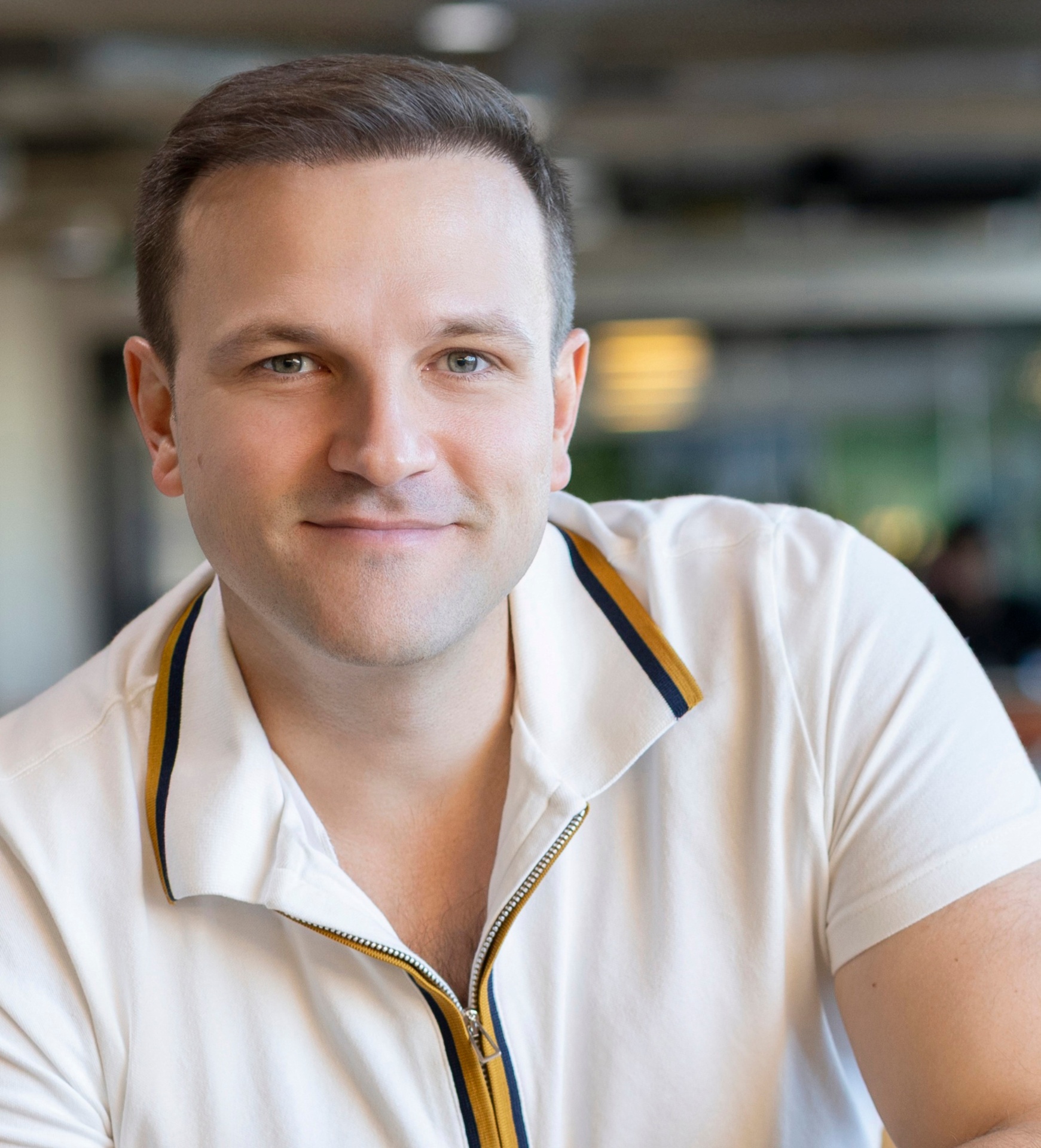
Michael Markesbery
Michael Markesbery
Co-founder & CEO · Oros Labs

Michael Markesbery is the Co-founder and CEO of Oros Labs, a material science company commercializing aerogel, the world's most effective insulation. Inspired by a climbing trip and a desire to eliminate bulky apparel, he and his co-founder developed SolarCore, a patented, flexible aerogel composite. The company initially launched a direct-to-consumer apparel brand to build awareness before licensing it to focus on B2B material sales. Under his leadership, Oros Labs has raised over $50 million from investors like Airbus Ventures and serves the consumer, commercial, and government sectors.

Questions answered in this episode

References & resources

Hosted by

Jason Kirby
Jason Kirby
Host · Founder, Thunder.vc

Podcast host, angel investor, and serial entrepreneur with 4× exits ranging from small businesses to VC-backed tech companies. Jason has been personally involved in over $100M in transactions and now helps founders close their next transaction at Thunder.vc, from pre-seed rounds to $100M exits. He coaches founders through their next major transaction and gets the deal done by introducing them to the right people in his network.

Apply to work with Jason

Full transcript

deep Tech is hard like really really hard but when it hits it hits big and that's what Michael marksberry did after co-founding oro's lab out of college he was on a mission to transform the insulation Market yeah boring old insulation his NASA inspired technology led to him starting a directed consumer brand that was designed to prove that the tech actually worked first and have a functioning business model that later led to have raising over 50 million Adventure capital for the likes of Airbus Ventures and other popular firms to transform both commercial government and consumer installation Market if you're building deep Tech this episode is for you and this is episode 53 of fundraising demons toi the show where I interview Founders and investors that are actively raising or deploying capital in today's market I'm your host Jason Kirby and I've built and sold multiple companies as a Founder operator and investor across multiple Industries and have been involved in over 100 $ 35 million transactions this show is meant to uncover what's actually happening in the private Capital markets and help Founders and investors make better Capital strategy decision the show is published weekly and to get notified of new episodes and access a few freebies like our guide on how to negotiate a term sheet or get a free list of hyper relevant investors Founders that have used our tools have gone on to raise over a billion dollars so be sure to subscribe at join. thunder. BC go go ahead and get access to these free tools and content at join. thunder. BC now on to the show welcome back to fundraising demystified I'm your host Jason Kirby and today we have Michael marksberry with us co-founder and CEO of oro's lab on the show with us today welcome to the show Michael Jason thanks for having me I'm super excited to be here with you no I'm uh I'm excited to have you on the show you have a pretty interesting background building a deep Tech uh Material Science company but where I want to start is I just want to know what your story is how did you go from building a director consumer apparel brand uh to what you kind of Now call A Material Science company that's raised over $50 million so just tell the audience a little bit about yourself and then kind of what your journey has been like sure um my story is pretty simple again I'm un likel uh co-founder and CEO of oros labs um when I was in college I backpacked across Europe uh ended up climbing my first Mountain uh in the Swiss Alps and an incredible experience but one really big problem uh I looked like the mellin man uh on top of the mountain and I remember thinking like you know this makes no sense there's there's got to be a better way to cut bulk and still stay warm so came back to the US uh and with a friend uh riic Bena now co-founder uh and COO of the company we started looking into insulation um not just apparel but you know everything from buildings to um Aerospace cold chain packaging uh batteries all just to try to find a solution to the mitchler man problem that I had on top of the mountain and what really surprised us was it seemed like all these other industries were stumbling with the same challenge that I had in apparel so as an example um we're both in a in a building right now um half the world's energy consumption 50% trillions of dollars a year goes to producing heat the largest consumer of that heat buildings and structures said another way if you can just improve the insulation in buildings and structures by a couple percentage points you can save tens if not hundreds of billions of dollars of energy consumption a year uh cold chain packaging um we shipped so much medication all around the world especially during covid and a lot of that medication like vaccines are temperature sensitive meaning generally you got to keep them really cold or else they go bad uh Well turns out we throw out $35 billion of temperature sensitive medication a year just because we can't keep it cold enough for long enough in transport uh Aerospace batteries defense the point being rth and I quickly realized oh my gosh the the problem's not apparel the the problem is insulation and if we can solve this insulation problem uh we can make a pretty big impact across a variety of of different markets um I then got super lucky uh ended up getting a scholarship created by the Mercury 7 astronauts uh called the astronaut scholarship uh and through the astronaut scholarship we learned about this pretty amazing insulation uh called aerogel uh aerogel is this pretty cool stuff that was using to insulate spacecraft so like all the Mars rovers and whatnot insulated with aerogel and aerogel uh as we learned is the lowest thermal conductive solid in existence uh meaning it's the best insulation that we know of and so we're hearing all this and thinking like well well wait a minute you're saying this is the best insulation we know of we're using it in the most extreme environment in the universe space but it's not being used like in all these other Industries like what are we talking about like this makes no sense you could hypothetically transform thermal materials um we then got our hands on aerogel and found out why this amazing material wasn't being used in all these different applications um and it turned out aerogel is super brittle if you put it in your hands it just shatters into a thousand little pieces uh so we became obsessed with with figuring out how do you take this amazing insulation uh and just make it flexible and durable enough so that you could use it in whatever application you want uh and that that launched the journey uh the Journey of of Oro slaps so that's that's super briefly uh RI and RI and my story so NASA inspired installation but uh insufficient to be commercialized and you guys made it commercialized um so did you guys start selling your own consumer apparel with that product and then you kind of went into the industrial kind of commercial aspect absolutely you nailed it so uh we ended up creating the world's first flexible and durable aoel composite uh called solar cor foam fortunate enough to get patents on it validated that this thing worked so uh tested it against over 400 other insulations haven't found anything more insulating uh and that's great it's really insulating the real value proposition though was uh uh every insulation that exists today needs locked in bulk to work uh so that's why your it's why your jackets are puffy it's why like if I were to open the walls here in this building it would be fiberglass insulation fiberglass is super lofted and bulky all these insulations need that air space or lofter bulk to work is so if you compress them you lose that air space lose the ability to insulate so you have that dependency on airspace Loft bul to work that's not true with aerogel thereby not not true with solar core meaning for the first time in history you can now have a thin amount of insulation that actually gives you meaningful thermal value so that was the really big difference with solicor once we created the technology uh uh we then wanted to generate awareness around the technology platform and we found one of the best ways to do that was to create a consumer apparel brand called oros apparel uh so we created oros apparel uh an outdoor brand all around solar core to generate awareness around the platform uh that was the original way that we generated awareness and traction across our three Target industries of consumer commercial government uh uh so you absolutely nailed it so what was that like kind of like how did you get that started like you're you're doing this kind of more deep Tech deep science uh invention of a new material and how did you guys raise money for it how did how were the early days like you know kind of getting that initial product in the consumer sector to to Market great question uh so when we started out uh it was rth and me in a college door room uh in Oxford Ohio and we had the money from the the astronaut scholarship and that was about it uh uh so it was just us tinkering uh for candidly two years uh from our sophomore years to our senior years of college uh trying to figure out hey how do you you know how do you make this this this aerogel stuff not brittle uh once we figured that out uh it then became about hey how do we actually turn it into a product and validate that people would people would want to buy this stuff um that was a was was a pretty tricky proposition too um uh but the fundraising side of it hey how do you go and buy the product we originally launched the the company the apparel brand via a Kickstarter campaign um are you familiar with Kickstarter of course yep okay cool um and our goal was 100 Grand this is our senior years of college and RI and I decided hey you know if we can hit 100 Grand uh that proves that there's true validation and need for this this technology we created and it's it's worthwh to go on this Venture uh after college so that was our Benchmark um and launched the kickstarter campaign uh and in the first 36 hours ended up hitting like 125 grand um more money than than than R and I have seen before in our lives and um closed the kickstarter campaign at 300 something Grand 360 Grand and that that was that was the start um uh of of oros labs uh and that really gave us um not just not just meaningful Capital to go and you know uh start the business but also I'd argue more importantly meaningful traction so that we can uh so that we could go out to investors and actually raise an Institutional round and uh things like that so it was couple hundred grand Kickstarter and you get some traction get some momentum you go to market with your appall brand on the insallation tip court and then how did you go like what what was that journey to and how long did it take in terms of timeline to start attracting institutional investors you know because in total you've raised over 50 million you know since Inception it's been roughly what nine 10 years since you guys started so you know what was that like getting you know getting to that point and how how did you attract that Capital yeah so we uh our first round was um around 2 million a seed round and it was right after we graduated college so uh we raised that first round and gosh um six months post the kickstarter campaign um and I don't I don't believe we would have been anywhere near as successful if we we hadn't had that traction that we had uh uh with the kickstarter campaign um in terms of the process you know rth and I graduated college two science Geeks uh um with an entrepreneurship minor we we we didn't know anything about raising money uh so that was certainly a learning experience and we were really fortunate to have um a really strong group of advisers and mentors around us that uh several of which have been through that process and were able to really help U mentoring guide us through that initial fotas so successful Kickstarter to attracting the right type of mentorship and and advisors to come in and help guide you to a you know $2 million seed round so this is what 2015 2016 is around this timeline correct you know DC funding was still popular back then and so there still a lot of resources going towards it um at what point did you guys realize that you had a bigger as you kind of already alluded to you have a much bigger opportunity uh going after the bigger insulation Market and kind of divesting from the D Toc brand and kind of Licensing it out instead of you know continuing to build that brand kind of walk us through that decision flow and that timeline as well absolutely so from the beginning the whole thesis of the business was to completely transform insulation cross functionally across all these different markets and we really broke it down into three different Industries uh consumer uh which is you know um consumer Brands uh namely Footwear and apparel being the two largest categories in consumer uh commercial uh which is a much broader Spectrum think more industrial this is everything from Aerospace to coold chain packaging to batteries to buildings uh and then government uh largely led by the the US Department of Defense those were the three industries that we identified uh and our our goal is to completely transform insulation cross functionally across those uh we created the apparel brand uh to generate awareness around the solar core technology platform uh such that we could generate awareness to eventually sell solar core uh within those Industries um that ended up working uh so we ended up garnering um over that period of time that we had the apparel brand uh meaningful track action in all three of those Industries so um signed our first couple consumer Brands uh LLB Cabellas uh Merill or some of our first ones um signed our first commercial Partners uh got our first government contracts uh largely all in part due to uh the awareness that we were able to generate around the solar cor platform via the oros apparel brand um so once we had that original fraction for us uh that was the trigger to go full steam into uh focusing 100% on material sales of the company across those three Industries versus uh the appar brand got it so and what I know look kind of what year was that when you guys realized that that was the kind of transition you kind of had enough awareness at that point to to make that transition uh 2023 is when we license the apparel brand uh to a a PE firm uh and focused 100% of our energy on material sales of the technology gota and that also coincides with the very sizable recent raise so I guess give us the history of the the capital raising so it's 2 million about you know call it eight nine years ago uh what other capital Did you raise and and when did you raise it yep uh so we've raised a little over $50 million to date in equity capital for the business uh the most recent round was in April of this year 2024 uh we raised a $22 million round our series B uh led by Airbus Ventures uh the Venture arm of Airbus uh our series a uh and ourc and C plus were the prior rounds uh so between those three that was that was 28 million uh capital L and uh when did you get your your series a what year our series a was 2021 okay uh was 20121 and had you started generating revenue on the commercial or governmental side of the business at that point go yes yes that makes sense that was when we I would say we started to generate when we had initial traction across all three um some was more meaningful than others but at that point we had meaningful traction across government consumer commercial markets so yeah appreciate you give me some background on you know kind of the fundraising history and kind of where you guys B the overall um development of the business but I want to be frank here like a lot of our audience they're in software they're consumer they you know they probably get the apparel brand but you know to understand Material Science DET tech technology I would like to kind of gravitate towards that area of the conversation to give our audience a little bit more of insight how these businesses work uh you know you talk about one angle in terms of Licensing the uh the technology to a b firm for the apparel side of the business so you kind of remove yourself from that aspect and do focus on other things but you when it comes to the the Deep s you know deep Tech are you manufacturing do you build the actual manufacturing facilities the Machinery the equipment or are you more or less outs Outsourcing the development of that stuff it'd be great to kind of hear like how that process developed and and also just like what you're using the the amount of capital that you raise what it's going towards absolutely um we had two choices when it came to how we thought about manufacturing our technology uh the two options are do we take it inhouse and do all the manufacturing ourselves or do we go contract manufacturing um we ended up going contract Manufacturing uh at least today the and the reason we picked contract manufacturing was it provided immense scale uh very quickly allowing us to grow the revenue of the company very quickly compared to if we went inhouse uh would have taken a lot more capex uh and a lot more time to stand up uh meaningful Supply uh of the technology we had just created that is a gross oversimplification um uh because at the same time what we really had to focus on in order to make our technology able to be contract manufactured very easily uh was a lot of process engineering around hey how do we actually uh take what was historically a pretty hard material to make uh and make it so that we could walk into uh you know uh foam manufacturers and without them having to invest serious capex into new equipment just be able to manufacture uh solar core foam using our IP uh so that that that took a lot of amount of work to make that happen but uh the benefit is a created the ability to rapidly scale uh manufacturing of our solar core technology um so we go contract manufacturing today will we always go contract manufacturing that that could be a pretty heated debate um the the only downside with contract manufacturing I'd say is the main downside is gross margin uh uh when you bring it inhouse you you you gain back all those points of gross margin you give to your that's that's the debate over time between the two yeah and you get to a certain scale where you know certain level of Revenue and profitability and you know you can run the math of when it makes sense to to kind of transition and bring it in house but it's also like it's a huge capex Investments you know it's basically what you know Tesla does is you for an easy reference like they're building everything in the end and look how much money and time it took to do that to reach that kind of scale um absolutely nailed it that's that is that is exactly the equation and when it comes to the contract manufacturing relationship mention all the process engineering now are you hiring all the engineers are you Staffing up a large team of Engineers to be able to solve those problems and then hand over those instructions to contract manufacturers are you relying on those Partners to do it for you the former uh that is that is a crucial part of the company so at the end of the day what does oros louds do uh we create novel thermal insulation Solutions and then we sell those Solutions uh to our partners uh that creation portion includes the process engineering behind how do you how do you actually make the stuff how do you make it scalable so we have an incredible team of Engineers that I'm honored to work with uh spanning everything from chemical to Mechanical to textile engineers uh U that that really lead that process and make that happen yeah because effectively this silic cor is going into apparel it's going into tents it's going into buildings it's going into you know trucks and deliver you know it's it's going into just about anything and everything you can think of uh that you know needs to control uh temperature of some kind uh now is the material that you're developing is it a one siiz fitall and it's just a matter of fitting it in to those uh you know materials or do you have to have like a completely separate manufacturing process uh for each deliverable do you have to kind of seal it and size it up and send it to the you know customer that way or do you just G to say hey here's gallons of it or I don't I don't know what form of it it's uh in in terms of liquid or you know foam or whatnot but um you how is that kind of decided and like how's that sales process as well because I imagine you also have pretty sales team going out educating the customer on the benefits cost savings performance uh things of those sorts absolutely so our goal our goal was to make it as easy to adopt as physically possible and um what our first technology was is solar core fob uh and the technology is just that so taking a step back uh how did we make aerogel not brittle uh well all we did is we just created a composite it out of it um so solar core foam is part foam uh part aerogel you get the flexibility and the durability of the F uh you get the insulation of the aerogel gives you the best of both worlds that was our first patent that was our first technology solam um and if you look at all the industries we serve today uh they all used insulation prior to using solar cor foam uh but guess what type of in they used they used a follow uh so in our consumers mind all they need to do is just swap out their existing solution uh with our solution uh doesn't change their manufacturing process or assembly process in any way uh but gets them all the benefit of the technology which is drastically increased thermal performance without any of the B did you know that most Founders waste days of their lives chasing the wrong investors well as a founder you know your time is your most valuable resource don't waste it on the investors that aren't going to write you a check here at Thunder we built a free tool that identifies exactly which VCS are worth your time to pursue we score your company against 3500 VCS and family offices that have been vetted and are actively writing checks into companies like yours get your AI recommended list of investors that will look like this absolutely free by creating creating a free profile at thunder. BC you can upgrade to premium to download this list export it to any tool you wish and get their contact information and access the data on their portfolio companies to map out a path to warm intros and build your founder Network sign up for free at thunder. VC now let's get back to the show so when it comes to the application you just you try to again fit exactly what already the market does today and allow you just to kind of slide in with a higher performance um from a pricing perspective how do you think about you know setting the price of this material you know is it a application B do you do value based pricing do you do Cost Plus you know pricing how do you guys think about it great question again so uh we we're Upper Middle Market uh so we're premium not luxury uh you can find more expensive insulations and solic cor foam all day long uh goose down to name one uh vacuum insulated panels the name another uh but you're also going to find things way less expensive uh than solar cor foam uh these are things like um uh generic polyfills for example uh uh the difference is cross functionally we're going to be beating all those insulations uh from a thermal performance perspective and a lack of ball perspective um so that's our general thought process on pricing uh I will also say historically aerogels are incredibly expensive uh so in order to make aerogels um accepted in the commercial Market we also had to focus a lot on um how do we cost engineer our uh solution uh to make it uh price competitive and that was also along with that process engineering uh that I we talked about earlier a lot of our work upfront in order to make uh solar core um priced appropriately for the market uh does that make sense yeah no it does and I think you at this point you you're going to hit on a lot of the consumer applications and and uses and stuff like that but you know the whole other animal is going going after you know government contracts I think it's easy to understand commercial cost benefit analysis you know pretty easy but going into you know breaking in to to government getting them to you know get approved as a vendor and selling to them um how has that been looks like you work with some of the you military branches with your your products uh did you just hire the right Talent did you do it yourself you what was your process to kind of of get your foot in the door there yeah great question um you know when we first uh took a step into government um I didn't know anything we didn't know anything about working with working with the government uh and so for us that was a pretty clear sign that uh while we knew it was the right Market to be in and something that we were um also personally excited about doing and believe was the right thing to do um we we needed the right experience around the table so the first thing we did is um and part of that Mentor advisor group we talked about brought in some government experts that really knew that space better than us U that that could help guide us to you know how we get into the market uh once we did that uh via VIA a lot of their guidance we then brought in um a consultancy firm that um focuses on uh uh contracts within the Department of Defense that consultancy firm uh was super helpful for some of our original contracts with the dod spanning everything from cold weather apparel to uh tactical shelters uh uh to pipe insulation um our first three programs with the dood um and then from there once we uh started to grow those programs s and get to the the stage of procurement uh we knew it was time to start building some internal team uh that that really could uh lead that initiative going forward um so from there we hired our head of government uh his name is Dale Suzuki uh Dale's absolutely incredible um and has been uh in the government industry his his whole career um uh and and built a team you know uh with Dale to support uh the procurement initiative with that DOD so basically going out finding that you have a market opportunity accepting the fact that you're not maybe qualified to go and address that market yourselves and sourcing the right Talent pulling on your network to kind of bring those people into the the into the position to go and execute uh for you again just being able to attract top talent which I think from your your mission and your product what you're doing I think it's an easy mission to you have to buy into and attract Talent which often attracts capit so transitioning back to your most recent round when you went out to to raise this point you have some traction people probably know who you are um what was that experience like when did you say I want to go out and raise more money and when what was your process from there to to go out and raise this most recent series B great question um so uh when we knew we wanted to raise the series B uh we were were in 2023 um and I think all that it took us um around 12 months maybe a little longer from first pitch to close um so that was I think a little longer than the standard nine months uh from Pitch to close um uh definitely I think a tougher economic climate uh in 2023 uh than than you know uh prior races but uh um uh our general process um was Hey and our whole Philosophy for the series B was we wanted to bring in uh value at Capital so for us that meant uh that while all money is green uh we wanted entities around the table that could help us scale uh help us scale the business and um that really showed up when you look at the cap table today so really honored to have of Airbus Ventures having LED that round again Airbus Ventures just a venture of of Airbus uh the large Aerospace company the value ad there is is is pretty innate um some other investors around the table include um uh REI REI Venture arm REI is one of the large uh outdoor retailers here in the US uh goldwins Venture arm goldwood is the uh uh largest outdoor apparel conglomerate in Japan uh so they have the licenses in Japan to The North Face hel Hansen uh you name it um uh crumpton Ventures founded by Hank crumpton Hank is the former deputy director of the CIA um uh incel um a bunch of really great investors that we're honored to have around the table all of which kind of lived up to that fundamental thesis or or ethos of value ad Capital how did you so that was our whole Theory how did you get in front of those investors you know you mentioned it 12 months from you know maybe your first conversation to to checks of the bank but how did you you know get in front of them did you cold email them did you beg your advisors to you know find a path to an inur like how how did you navigate the path you know to those investors uh it it was a super surgical approach generally some cases we just got lucky uh we got intro um that was the case for for crumpton ventures for sure um but for the most part it was a very surgical approach so our whole what we did there was um we started by looking at companies similar to our own in some regard um that had recently raised rounds um and looked at who they were raising from um to then identify hey who are the right Venture firms that that will be interested in the deal um and then we screen those Venture firms for hey who do we think could be value at um so from there you know if you look at 10 companies similar to your own you can probably find 100 Venture firms screen those Venture firms then against uh uh you know value ad you're down to like 50 or so and then you can tier those out however you want to a b and c groups or whatnot uh but then from there we looked at all the all the partners at the firms um um and cross reference those Partners on LinkedIn to see hey who do we have mutual connects into are we connected any of them directly any of them not directly um uh and then establish who we had connections to and when it was time to raise we then um asked our connections to those uh individuals to do a warm intro in um and what we found is that warm intros are generally a lot more successful than you know cold emails uh VC's I my sense is VC's generally don't respond to to cold emails um and so that's how we that's how we really kicked off our initial conversations and kicked off the the process with VCS was a very surgical approach um uh and that was our the overview of our approach and so a lot of these relationships I imagine were brand new like you kick off the the pitch and then you know first time meeting these people there's a misconception in my my opinion in the market where Founders are like we can raise we need money in a month let's go and start raising money or like oh like we had a bunch of meetings but we didn't no one invested yet it's like you know it takes time to kind of nurture those relationships so like you know for example I'm not sure if Airbus is the best example but you know from one of the kind of made investors that came in this round from the point that you met them and the amount of touch points that you had before they gave you a term sheet or agreed to invest how many touch points do you think it was oh my gosh um that's a great question uh easily over a dozen yeah uh dozen meaningful uh and then probably way more smaller touch points as well you know quick text or phone calls U but but um at least a dozen uh meaningful touch points and that's before they commit um and I just try to remind you know Founders on a regular basis that they think that they're going to do an intro meeting they're going to do a data room Deep dive and then they're going to get a term sheet and it's just it's so not the case you're building this you know at least from from the outside of what you're sharing like what could be a very world changing product you you check all the boxes for for Venture scale you know I'm not looking your financials or anything like that but it's just soon they're you know they check the box uh and it's still you know takes you 12 months gr of the market wasn't great especially for series B uh I think would generally was in a harder you know spot than most um but you grinded it out you you planned accordingly looks like you manag your cash position to be able to withstand a 12-month Capital raise uh so one I just want to you give you a little kudos for you know being surgical being you know kind of doing what I try to project as like the right way about you know trying to get capital on the door is you know don't do it when absolutely desperate because that no one wants you uh you start it well in advance and build those relationships over time uh so I think that's great to hear uh on how you manage that process so you know now that you kind of shared all this what would be your advice to Founders out there that are you building their companies that might be in you know deep Tech or somewhere in in adjacent space what would be your advice to that Jason I think you you just nailed and summarize the the the major takeaways we had from that fundraise um leave yourself meaningful cash Runway before uh uh before you start raising um uh be very Surgical and thoughtful in your approach um I'd say one thing that um we we could have done a little better that I would do differently is uh Foster those relationships early um even before you start your formal fund rise I think that'll save you a lot of time uh in your fund raise and also give you the opportunity to really understand um you know who you're who you're partnering with as well um uh all of which are are massive benefits going into a f race yeah I agree I think that's very insightful and and wise Sage advice for someone that just went through it you know just a few months ago from you guys closing around and you just came out of the thick of bed and I would say one of the tougher markets specifically for you kind of the later stage Capital round so you know Well Done um so for Founders that might want to learn more about your you your technology and what you're up to uh where should Founders go yeah uh our website is uh oros labs.com uh my email if you ever want to reach out to me uh is Michael solar core. Tech uh so feel free to ping me at any time uh or check out our website LinkedIn as well be careful sometimes there's I get reports of Founders reaching out uh you know sending out request and just be thoughtful don't send him a cold email if you're listening or you send him a cold email just you know be thoughtful and personalized don't uh just add him to the list of spam unfortunately I've seen that happen um well well Michael it's been an absolute pleasure having you on the show we'll make sure to get those links in the in the show uh description down below uh it's been an absolute pleasure having you and uh you look forward to to sharing your story with our audience Jason thanks for having me it's been an absolute bless thank you thanks for listening to the show today we hope you learned something valuable and if you did be sure to let us know in the comments or by hitting that like button and if you're a Founder looking to raise Capital then join us at thunder. VC we provide a free tool to help you identify which VC family offices or lenders are the best fit for you using RI it will save you a ton of time from chasing the wrong investors and since launching our free tools Founders that have joined our Network have gone on to raise over $1 billion in financing again you can find these free tools at thunder. BC and as a reminder we release new episodes every week so stay informed by subscribing to our newsletter at join. thunder. BC again that's join. thunder. BC and if you or someone you know has recently raised around and want to share your story please email me at Jason thunder. VC and that's our show we hope you enjoyed it and we see you next week