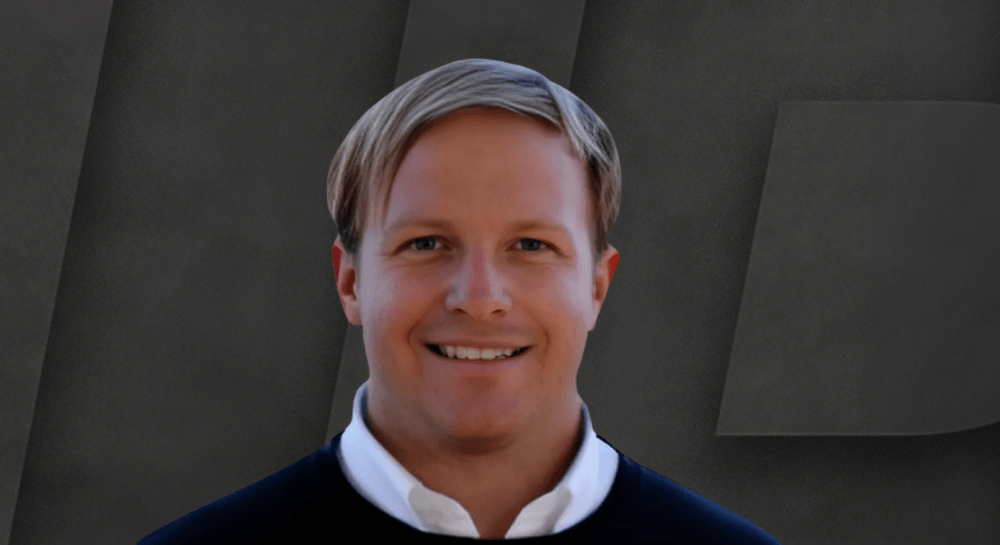
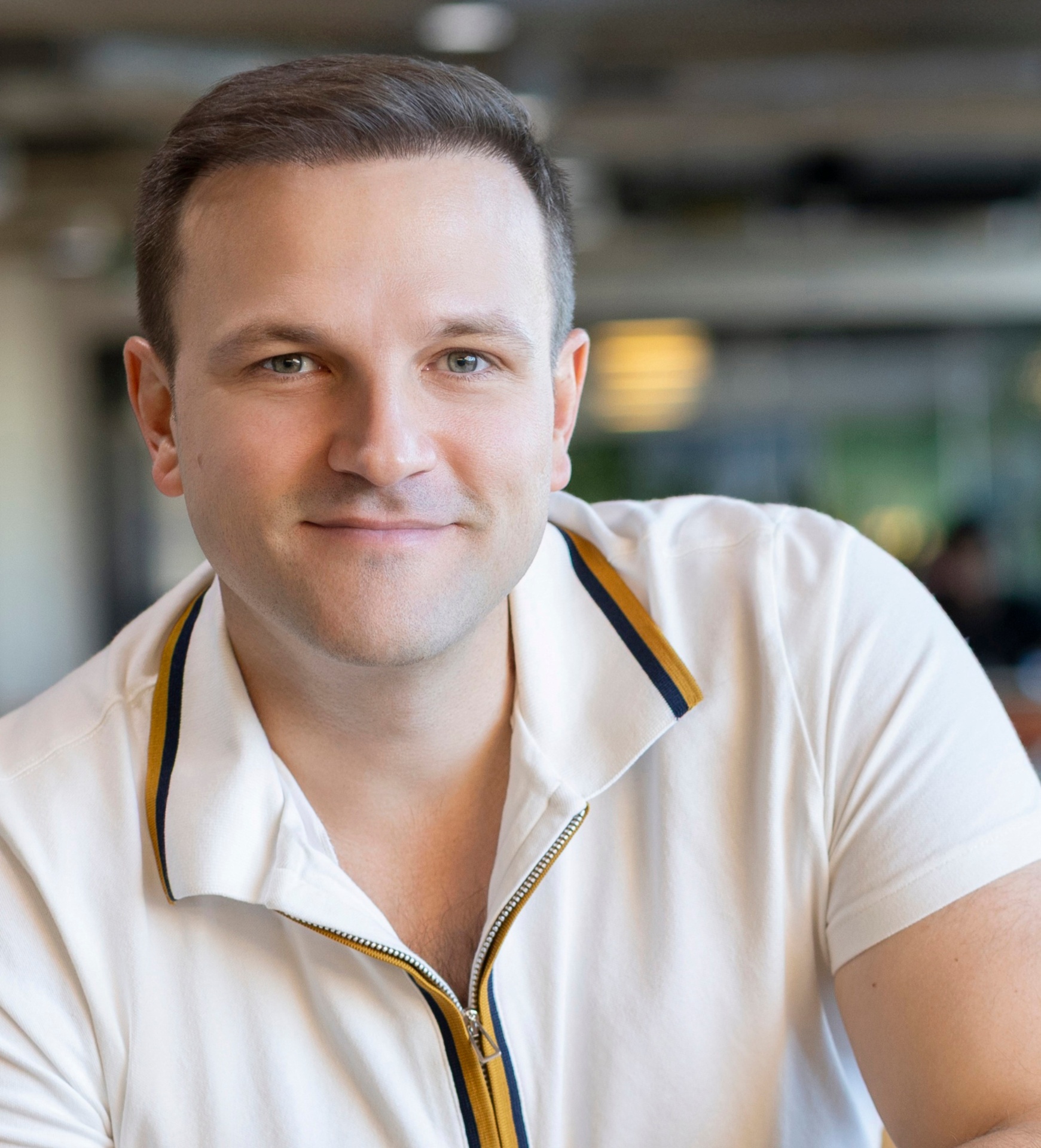
a VC intern to now firsttime founder of a company that's raised over $76 million in the first two years of operating. How'd you do that? >> People love to say, "I'm not fundraising." But they're all trying to get preempted. So, are you really fundraising? Probably. I'm seeking to get preempted actively. >> What are the problems that you find are the most difficult when it comes to scaling a hardware business? >> We're getting a 10x multiple on our investment. If you're gonna build a company in this space, you really have to. >> Hey everyone, welcome back to Hundred Million-Dollar Exits. Today I have Nelson Mills. Nelson, I want to just go straight into the story of how you were a VC intern to now firsttime founder of a company that's raised over $76 million in the first two years of operating. How'd you do that? That's a yeah, a great question. I think from day one, like I actually wrote my essay to get into Columbia Business School about starting a company and particularly in the hardware space and building it. Um, but somehow I just kind of got sucked into venture capital as like, hey, this is something I'm also interested and want to learn about. And I think it was a great experience. Um, but I never really lost that mindset for like, hey, ultimately I want to build a company. Um, this is this is my pathway. This is the goal I'm I'm going after. Um, so for me, I think it was a relatively like natural transition of, hey, let's let's go learn what venture capital's about, how how to raise money, how to um talk to VCs, build a network with VCs that, you know, I can then go and use when I need a fund raise. Um, and after working at a VC full-time for about a year and doing a few internships before that, I realized like, yeah, I'm ready. Um, I have some ideas. Um and I met the right found the sorry the right VCs who who were like hey yeah we we'd back you in you know certain areas and decided to launch the company um in particular one VC decisive point group um they approached me uh or I met them actually at a at a VC event and they're like yeah we're really interested in like the underwater space and so I met the uh founder Tommy Hris in a dark bar in New York and he's like yeah so you know we think there's this huge opportunity in underwater defense um kind of laid out what they were thinking and then he introduced me to a bunch of customers and I started digging in I was like yeah there's a huge opportunity here and we launched the company day letter you know our preede round and that all came together pretty pretty quickly >> so this goes from New York bar like you this wasn't even your kind of conceived idea at this point like this was more of a brainstorm session with this VC around this kind of underwater UAV uh got unmanned vehicles uh strategy. >> Yeah, exactly. like you know I I was working on a different maritime idea and then you know I heard like he was through one of his associates that he was interested in this concept and so yeah he he came with the initial idea of like oh yeah you should really do something underwater and do defense focused and there's a big opportunity here and then you know I kind of took that and ran with it and was like okay yeah and here's kind of the first product here's what it should look like here's how we should you know approach building it um and kind of ran ran with it from there. >> And where did your underwater unmanned vehicle experience come from? >> Yeah, I I had zero unmanned underwater vehicle experience. What he did like though is like before I did my MBA and I was in venture capital. Um you know, I I'd spent three plus years with um uh maritime systems basically like doing hydrophoning electric boats, regular electric boats. And you like my my story arc of I actually grew up homeschooled on a sailboat. Um so you know spent my entire childhood in the maritime world and had a you know kind of a connection to uh uh the under underwater space. It's also funny. He always like likes to say too. He's like when I showed up in the dark near city bars wearing like a fisherman's sweater is like and you know my beard and everything. He's like wow this this guy's a man of the sea. I'm like, I'm ready to invest. >> Well, you played the part. You went where the money was already. >> Um, and you had a personal story tied to Oversimplified the Sea. Um, that kind of made it and you had a relationship, you know, so there there's some, you know, mutual trust there. Um, and mutual alignment in terms of the opportunity. But I think one thing that's obvious here is like you went where the money is. And I think that is something to kind of call out and uh kind of elaborate on is like you then decided to kind of put the work forth on developing out the strategy. So like walk us through kind of that experience of scoping out this strategy to to build what is now you know 100 plus million dollar company that's raised you know 70 plus million dollars. um kind of starting from that, you know, dark bar experience. >> Yeah. I mean, I think um for us it was like, hey, here here's this this concept, right, that there there's market opportunity here. Here are some like customers you should talk to. And also, um you know, I brought two co-founders with me who have a ton of experience building maritime technology. and then you know decided to point was like and here's here's this guy you should you should meet who has a ton of experience with business development and so that guy ended up being one of our co-founders too. Um the four of us sat down and just started talking to a ton of customers, started learning the technology and challenges and we quickly realized like underwater technology um is really really hard, right? It's you know GPS denied environment um comms degraded, vision degraded. So it's it's really hard to build something um that works autonomously under sea. Um and so you know we we just started like recognizing the challenges. Then we got to thinking of like okay this is what the people other our competitors or potential competitors have done in this space. This is what the customer says they want. What could we achieve that the customer would be interested in solves pressing needs and problems they have. Um and the the things we identified is like they're too expensive, they're not producable. Um there's a lot of supply chain issues. Um so how do we make a cheaper UA um AEV? Uh one that's truly scalably manufacturable and one that has more resilient um supply chains and fits a bit of a different mission need right. Um they don't need, you know, this exquisite vehicle to do everything. They need something um that is more tritable, right? Can do kinetic missions, can do decoy missions. that you don't necessarily have to get back, but you can get back and reuse if you need to. So, also kind of a bit more multi-m missission. And so, we really focused on that problem and came up with uh a solution through what I would like to call like a lot of like little innovations, right? Um that come together and produce something that's pretty pretty rival sharing for the market of uh underwater vehicles. So I I'm seeing a general theme of you know you going towards where the demand is both on the money front and also talking to the end customers and not necessarily like we will you know we will build and they will come you know you're really trying to optimize the kind of the outcome of the the product for for them and then so I want to take a step back on the the capital raise so you raised that very quickly uh I think it was three and a half million you mentioned from this you know dark room bar experience raising less than a month or like a month. Um how does a deal like that if you you can shed light on this uh get architected at that level and that stage and that high of capital kind of like what is effectively an idea stage. Um how does a deal like that get architected? Is it you know just a traditional safe give up 20% or was it more complex than that? >> Yeah. Um, real quick I'll just mention on going where the demand is on some level that is true like we saw the tailwinds of where it was going. Though at the time there wasn't really that official demand signal from the government. So we're like hey this is what you know US defense and foreign um defense customers are going to need. Um and we we built that and we you know a lot of that was insights from the customer but it was also kind of foreseeing where naval warfare was going. Um so we fit really well in those tailwinds and if we started a year later I think we would have been a little late for this market but yeah getting back to like architecting the round. Um we yes we raised an initial 2 million in about 35 days. At the time I think I went to market I was like I'm going to raise a million um you know decis point in decisive point put in a chunk of that and then quickly just kept getting commitments and commitments. I was like you know better off we're better off taking more money now at the uh you know at this safe cap um than than kind of holding off. So it allowed us more runway and to get farther and to to do more. So we took that 2 million really rapidly um at um you know you know pretty standard I think it was like 8 mil safe cap and then um from there we uh you know we started executing and over the course of the next I think it was like 12 months we raised another maybe it was less than that eight months something like that but we raised another 1.5 million on on higher and higher kind of safes. So, we kind of stacked a few safes together um before going out and raising an official um seed round. Um you know, I think like when you talk about like architecting that round, um it's it's a great question. Like I mean, we were really raising with an idea and a a deck, right? Like, hey, this is our team. This is why we're great fit. This is the opportunity we're going after. here's like the initial product and here's the pathway for us to be a billiond dollar company and I think to your point of like going to where the money is like defense at that time was really like taking off and it's kind of maintained as a really hot area over the last couple years and I think that helped there was just a lot of like momentum in the market um a lot of interest um in what we're doing and like a kind of initial burgeoning interest in the maritime defense space which had been a little underinvested and so we just read met the right set of preede investors who were really focused on defense and wanted to do something in maritime space and they really hadn't seen much up to that point. >> And at this point you you stacked the safes. What kind of milestones were you at in this type of category? because it's not like a maybe was revenue or or not, but like you know typically building something like this doesn't just happen overnight and there's a lot of money and capital and you know capex. Um how did you go what kind of milestones did you hit for the seed round and what was that seed round process like? >> Yeah, the the seed round uh took a lot longer. I think it ended up being about 10 months total time um to to fund raise it. And we really, you know, we we raised the preede off of like an adnet idea. We were trying to raise the seed round off of like, hey, now we've executed. Here's a vehicle. It's in the water. It's working. We've been accepted to all these military exercises. We're not really getting paid yet, but we're executing on these. We're doing well. Um, we showed in particular, we had like a three-phase military exercise where we ended up getting paid at the in the third phase and we executed really well and got great feedback. And so going into closing our seed round, I think we had um, you know, 100 something K in revenue and basically zero zero dollars in bookings. Um, and so we're really building off like, hey, we have this technology, we have all this interest and and and traction in the market, though we didn't have a ton of um, revenue, but we had we had a lot of like I think really solid indications of interest and support from government customers, which helped and we derisked a lot of the tech. >> Got it. So like the the the tech was believable at this stage and people were lurking. They were watching. They were interested. They wanted to see what happened but you know not necessarily materializing in contracts or like booked revenue at that point. Um so still some you know some solid trust in the the team and the general narrative. Uh was it mostly insider or was it all fresh capital? that was a fresh lead and mostly fresh capital though we we had a bunch of insider support but yeah the big biggest chunk of it we we ended up having D ventures lead and then Rathon Loheed Martin sic um and a couple other uh new new investors join the round Cubic Capital um and they were the bulk of it so >> that's a pretty heavy strategic round at that stage usually these players don't come in that early I guess how did you go about building those relationships Yeah, it's a great question. Um, those re intros came through um I'm trying to remember. We I I think existing investors introed us to pretty much all those firms and we ended up just building those relationships over the course of about 6 months and they you know they're they're all you know industry insiders, big primes and they understood the tailwinds for this market. Um, and we're really excited about that and excited about, you know, what we'd already proven with our technology and how we'd approached it. Um, and wanted to be to be on board and and, you know, um, along for the journey. >> So, you mentioned that the seed took you 10 months, I guess. How do you define the start and how did you like obviously the end is when the money's in the door but you know I guess walk us through kind of this this thought process like I need money but you know I need money in 10 months like or it just it took that long to kind of cultivate things like what what was kind of what going on there? >> Yeah, that that's a great question. Um you know I I think I think it's all a little like up in the air of like what you consider a start and what you don't. Like you know sometimes you hear about these founders like oh I raised in like 5 days or 30 days. Um and I know obviously I said that for my pre greeted in that case I think it was pretty much a true 30 days where like hey we kicked off fundraising and then we had concluded by that and kicked off by like any conversations right like 35 days after our first conversation with the VC we we closed around. Um I think after that it's became more of like you get into more of like a continuous race process. So, like how do you actually measure when how long a fund raise took, right? Like like thinking about our series B like some of the potential our future series B um some of those potent potential folks that could lose our series B. I mean I've built a relationship with them over the course of the last you know two years. So like if we raise that in a year you know did it take us three years to raise that we started building those relationships early. So I think there really is like this this sense of like you never on some level stop fundraising. You're constantly building those relationships and deepening those relationships with folks who may lead a future round, right? Like the lead of our series A BVC um they put a scout check into us um about two years ago, right? And so we continuously built that relationship with them and then they you know led that round. So, you know, officially I kicked off the fund raise. I think it was early January of this year. Um, but you know, on some level it's like, you know, we we've continuously been putting work into fundraising. And so sometimes I think when folks are like, "Hey, we raised our round in x number of days." It's like, yes, but you probably did a lot of back-end work building those relationships, getting people excited um ahead of that. And even now when we close this fund raise, I don't really stop on some level um raising, right? I'm continuously um building those relationships, developing them, deepening them with with future investors. >> So when it comes to that relationship building, it's one thing to say it. It's like, oh, we build relationships, but you know, you're it sounds like you're you're actively seeking intros, you know, and like the fact that your seed round was all net new capital, mostly new capital, like that's probably what took so long. You got to build those relationships with the people that didn't know you existed before. So, what's kind of your tactic to keep relationships warm and how to activate those relationships so that when the timing is right, they're they're there and can take a serious look at investment. Yeah, I think it's important um to have um a lot of you know touch points and it doesn't necessarily need to be like weekly, but you know up you know texting an investor being like oh yeah we just had all these great key wins hope you've been well just you know kind of updating you hey I'm in San Francisco or New York want to grab a coffee and catch you up. We're not fundraising, but you know, it' be good to just just stay in touch, >> stuff like that, right? >> Yeah. Yeah. Exactly. Well, that is >> Yeah, that is that is the thing, right? It's um people people love to say, "Oh, I'm not fundraising, but you know, they're all trying to get preempted. So, are you really fundraising?" Probably >> always seeking to get preempted actively. >> Yeah. Exactly. And so, is that what happened? Did you you were just teeing up all these relationships and then one of them was like, "So, you going to take my money?" Uh, or was it did you come to them and say, "Hey, the round's open." And you try to run like a competitive process. >> Um, yeah. At some point, um, we we we opened the round like, "Hey, we're running a competitive process here." And and we ended up getting, you know, for our series A and our seed, we ended up getting multiple term sheets, um, in the end, even though the process took a little while. Um, and I think there's a lot of like stigma on that. Like there's there's this like and I see it from some of our investors. Investors we talk to are like, "Oh yeah, you're supposed to like raise around in like two months, right? That's that's how long it's supposed to take. And if you're on market longer than two months, there's some sort of like negative signal." And I think that's I think that's like a kind of a false um narrative that the fact is like you you are a massive outlier if it takes you a really rapid time to raise a big round. And then to my point earlier, it's like how are you actually measuring how long it took you to raise, right? Like uh the reality is you're probably a lot of those relationships have been in place for a while. There's always there's always a few outliers though. It's like, yeah, I met the guy yesterday and today he's like commits $5 million to my round. I haven't personally had to that degree, but I've had like a million or something like that happen within like 24 hours. But you know, sometimes that happens where people get a lead and you know, they commit really rapidly. But I would say in general that should be the outlier. And if you're a founder, in fact, I think it's a good thing if from the investor perspective, if a founder's really grinded on a fund raise because they've shown that, hey, we're not going to give up despite the fact, you know, a 100red or 200 funds have passed on us, right? um that they refine their pitch and get to a good outcome. Right. >> So, I know we're talking a lot about fundraising, but I think you have a really unique insight on it just being on the other side, being an investor yourself, and then, you know, kind of switching gears to be uh the founder, which uh in all fairness, Nelson, I'm going to have to have my editors go and take your I want to call kind of like your VC photo that's on your Twitter that shows you all cleaned up, no beard, you know, hair all done. And then what I call and this this picture of you now is like founder mode, the beard, the hair grown out. It's like you got your VC finance look uh you know got got you open to the doors and now you you probably get to be more of your yourself in found. Uh so I just I think it's >> I forgot about that. Oh, totally. Yeah, I totally forgot about that photo on Twitter. That's old. Yeah, I don't really go >> I looked up and I was like that's the same person. >> Yeah. Yeah, that's funny. Well, you know, kind of like I think of a unique perspective and so, you know, now you just, you know, closed recently this much larger round. Uh, I think you said it was 60 million uh for series A. So, enlighten us with what you can on what that was, you know, how how' that come about and and why 60 and what did you prove to investors to warrant such a sizable round? >> Yeah. So the awesome thing is soon as we closed our seed round, we just started getting massive customer momentum and started showing like real revenue. So we ended up, you know, closing that year with a little bit more revenue, a bit more bookings, and then we we rapidly, you know, u multiple xed our um our bookings, right? I think, you know, we we're going to end the year with I think like seven 8x on bookings, maybe more. Um, and we're going to end the re the year with I don't know 16 17x in revenue. Um, so we we we showed that clear pathway and that, you know, the customers are now actually putting money down. We're and not only that, but we're not just getting these R&D contracts. We're actually, you know, 50 plus% of our revenue is production, right? We opened a production facility. We started building our vehicles, delivering them to customers and having them go out and use them and get it got like really good feedback and follow on funding. So, um, follow on purchases. So, we're proven out not just, hey, we can get a contract, but we can also execute on a contract and we can um get folks to reup on those contracts and buy more and you know, convert pilot programs. I think that was really compelling for a seed for sorry for a series A and then also showing like hey there's this massive pipeline here right the government's now finally showing the demand signal we said that was coming for the last two and a half years right they passed this $150 billion um reconciliation bill with you know 2.5 billion plus for underwater systems and vehicles and torpedoes um you know the the government is now um putting out real programs through DIU and SCO and other folks um that are relevant to us. And so that massive pipeline increase along with the the revenue and bookings um accomplishments really set us up well for um a large series A so we can go out and actually execute on that. We need the capital now to further increase production capacity, putting out some new products on the market, and go win these true like multiund million dollar contracts that we have line of sight on. Now, >> real quick, if you're a founder doing over 5 million in revenue and want to know what the best hund00 million plus founders are doing to fuel their growth, then make sure to subscribe to our $und00 million exits newsletter. Get the playbooks that are proven on how to fund, grow, and sell your business. I'll even give you a curated list of investors that want to invest in your business. It's totally free. All you have to do is click that link down below. Subscribe. Do it now. I promise it's worth it. You won't regret it. You got nothing to lose. Go ahead, subscribe now. Back to the show. What would you say you can attribute internally? So it's like we were talking all about external relationship building proving your metrics but like you have to have talent you have to have team you have to have like people you know that are allow allow you to kind of have this momentum and be able to scale up. So when it came to kind of your talent strategy and acquiring the right talent and how did you go about that? Yeah, and I think you bring up a really good point that um VCs, investors do really look at your talent, the talent you're hiring and you're planning to hire. And then you also need to have your internal strategy of like what talent do I need to win these contracts to execute on these contracts because the customer also looks at that, right? And I think what has really paid off for us is really investing in manufacturing talent and capacity far ahead of winning contracts. um because that has actually helped us win contracts which is very much a chicken and the egg issue here. So we invested really early in hiring a very talented director of manufacturing who came from Boston Dynamics has proven um capability in scaling uh robotics production. Um and then building a team uh around him and we invested really early and really talented um engineers um and then a director of supply chain. came from SpaceX and all that um has contributed to us telling a really good story um to investors. And another key hire actually was the VP of finance with um a deep manufacturing background, not just like a startup guy with SAS experience, but someone who's done finance at a manufacturing company. Um and I think that really solidified um the story and showed, hey, we're approaching this market smartly. we acquired the right talent to succeed and acquired pretty impressive talent. Um and that was good for both the fund raise and for um winning contracts and for the company to execute um on uh our strategy. I would say never never hire someone just for for the sake of appearances with VCs. But it is also important to understand how things look, right? And making sure that you have an expla explanation for why you're hiring the people you're hiring and how that um affects and improves your growth trajectory. >> Yeah. And often what I see is like companies that kind of have this breakout velocity when it comes to cap, you know, securing capital, um yeah, often talent locks to to those types of opportunities. And that's one of the strategies around venture is if you you know going into a winner takes all type market or a very big market uh raise more so that you can get the best talent which again chicken and egg you have the best talent you're going to get more money uh you're going to get more contracts you're going to get better deals uh so I see that as something that's not talked about enough I think a lot of founders well it's because of me which could be true but uh being able to recruit and retain some of the best talent that uh is often what's kind of leads to these these types of rapid scaling opportunities. Um, so one thing we've completely ne neglected on the show thus far is you know obviously you do unmanned vehicles, but like kind of walk us through like what it's like competing against um, you know, Andrew and other players in the space uh, that Andrew I guess is still a startup but like you know I would say they're pretty sizable at this point and then obviously the incumbents um, you know being in this kind of defense tech maybe dual use. What's it like kind of competing in the space u and building your company? >> Yeah, I mean one of the things I initially liked about the underwater space is that there are fewer competitors, right? Um you look at like the USV market, some of these uh the UAV market there there can be hundreds of companies that you're potentially competing with. Undersea market is far more limited. Um it's just a lot harder, right? the there's a lot harder barriers to entries um I think that have discouraged people to enter the market or rapidly um forced people out of the market. Um, and so, you know, when when I was looking at this company, I was like, this is kind of a VC's dream, right? It's it's uh there's real technical barriers to entry if you can build um build the tech. There's uh kind of this massive white space and there's huge tailwinds around this needing to be a core part of the future of naval warfare. Um and so when obviously there are competitors though um Andrew has undersea vehicles including some that are directly competitive. Um you know there's there's a bunch of other traditional companies out there that have products. There's some new um startups that are starting to look at the space. Um but relatively speaking compared to some other markets it's still pretty limited. Um, I think what we do is we certainly do the competitive analysis. You know, we did a big competitive analysis this summer actually, but we focus really on, hey, what does the customer want? What can we achieve and spend less time just looking obsessively at what other um competitors do in this market. And I think I think ultimately, you know, winning contracts is about um doing the best thing for um for the the actual buyer, right? The actual customer. Um and having a really strong lobbying game um on the hill and in the Pentagon. Um so if you can sell yourself well and come with the best best-in-class product, um you'll ultimately do well. So understand what your competitors are doing, but I think you got to stay really focused on executing your mission and your strategy that has been defined by your analysis of of the market and the customer. walk us through the lobbying aspect having people on the hill. You know, you have inside, you know, in-house people that you've hired or you outsource it to a firm like, you know, this is not a a common thing for most founders to deal with, but as you get to a certain scale and if you're selling to the government, it becomes more and more of a reality. How do you think about that strategy? Yeah, I mean, if you're if you're a company that's focused on selling to the government, whether it's defense or potentially another market, I really know defense the most, but um you you need to start lobbying as close to day one as possible, basically. Um I got this advice from a founder a few stages ahead of me in the defense market. He's like, get a lobbying firm and and get out in the hill and start building relationships. And it paid off really rapidly, right? um you know, you're going to pay 10 to 15k a month for a lobbying firm and you can pretty rapidly get wins. It takes a while for the money to show up. We're actually still waiting for, you know, 20 25 appropriations dollars to show up, but you know, we're getting um you know, a 10x multiple on our investment, right? Um and that's just the beginning. Um and it's not just about appropriation strategy. There's also about um getting language in the NDAA, so like authorization language that helps you advance your product. It's um uh you know getting influencing uh strategy with uh um you know the right folks on Congress who will communicate certain strategies to to the Pentagon. And it's also about spending time um with senior leaders at the Navy, at the Pentagon um and you know giving them a perspective on how you see the market and how you see solutions and educating them on what you're doing so they can make the most educated and best decisions. And so, you know, I think for early stage startups, you have to start building those relationships as soon as possible. So get a good lobbying firm and go spend a lot of time with your customers on every level. build out a great like advisory board that can help you get access. Um, and then eventually, you know, hire a VP of government relations who I think should ultimately really be customer focused. That's the strategy we've taken at least of let's hire a VP of government relations who you just just announced recent um who has deep connections within the Navy with our customers can go and open those doors and have those conversations and then you can hire the the Hill experience through through a lobbying firm that can um you know take that person to the hill and and open those doors right and ultimately they they act as that conduit between the hill and and your customer. So that's that's the approach we've taken. I think um it's I think it's the right approach and I think we've we've experienced quite a bit of success with it to date though there's a lot of um a lot to be still still proven out but um yeah you can't you can't underell like the best technology unfortunately is not necessarily what wins um you have to sell it correctly you have to lobby for it you have to advocate and build advocacy among key players and if you don't do that um I think you'll you'll rapidly run into box. >> What sucks about this process >> selling to the government? Um, yeah. I mean, I think a lot has improved, right? I think there couldn't be a better time to build a defense startup in that sense that, you know, procurement process is rapidly changing, but it never goes as quickly as you want. Um I think that's that's always been the the challenge, right? Is um uh it takes a lot of like specific knowledge of just how barbased contracts works, how otaas work, how DI works. It takes a lot of relationship building um uh that I I don't think maybe every founder understands. And so, um, educating yourself on that really, really helps. And I went into this with almost zero knowledge around government acquisitions, right? I had a co-founder who knew about it, um, investors who knew about it and educated us. Um, but I learned a ton really quickly. Um, and I think if you're going to build a company in this space, you really have to immerse yourself in it and really try and understand it. Um, because there's a lot of peculiarities to it. And so I think there's just like high barriers of entry um just on knowledge of of how to deal with this this market. Um I think there's improvements being made there. Um but yeah, it can get it can get frustrating. >> Sounds like an understatement. Uh um and so when it comes to you know now that you have this capital and when you uh let me ask when it come back to the 60 million like was it all equity or was some of it debt or are you adding debt to it because you know it sounds like there's going to be some capex investments. I'm kind of curious how you think about the capital strategy from there. >> Yeah. Um so far that that's all equity. We're exploring some some debt and leasing opportunities. So, uh, we don't necessarily have to use, um, you know, equity for buying equipment or building a new facility or things like that. Um, uh, that's kind of still GBD and how exactly we're going to approach it. Um, but like our seed round, for example, I think we added like I think it was 2 million in a leasing facility for equipment, right? And that that was really helpful and extended our runway. So, I think that's definitely something founders should should always look at and and consider. Um, venture debt can be expensive, but there can also be you, you know, it can be useful. So, worth worth considering. Um, yeah. Sorry, was there feel like in this part of that question? >> Yeah, it's just more of like a because when I see these like large rounds, sometimes it's not always equity. Sometimes it's equity and it's, you know, a good chunk of its debt to kind of, >> you know, do what you just talked about. Sometimes it's, you don't have to use equity. So, why, you know, equity can sometimes be the most expensive capital. So, you know, using debt as an alternative. Um, so I typically see big announcements with the big numbers. There's like debt chunked into that, but that's not necessarily equity, but >> yeah. No, you know, our our actual equity raise was 60 million. No, I 100% agree with you. It's worth, you know, it's expensive. And particularly, I think doing equity for like working capital often doesn't really make make sense if you can avoid it. Hey, the the the challenge is always with startups is that um you know the the the financials aren't always what uh banks want to lend on, right? Um but I think I think there's interesting alternative debt sources and leasing facilities that while expensive can really ultimately um be cheaper than than equity and I think those are always worth exploring. So we're going to have some some of those available to us but we haven't made any announcements around it as part of the fund raise. No, it makes sense. Yeah, I think it's always wise, it's something I spend a lot of time with founders just exposing their options because, you know, equity are giving up maybe 20 30% of your company or something to that degree. What's that worth in 10 years if you 10 20 30x um versus what people Yeah. Everyone's so used to like mortgage rates for interest rates. It's like, oh, like 6% 7%. It's like it's not what you get when you run a business, you know, much much higher. But in reality, in terms of what you could do with that capital, what the return on investment could be, uh it's often complimentary to go get that capital uh shortly after an equity race because that's going to be the absolute easiest to secure the lowest cost uh you debt in most cases. Um, when it comes to like the hard stuff, so hardware and building this type of, you know, equipment. So, you're you're dealing with, you know, cameras, AI, auton, you know, autonomy plus, you know, everything working underwater and being, you know, sealed and then being able to be self-sufficient, charged, all that kind of stuff. unravel a little bit of that complexity and like what are the problems that you find are the most difficult when it comes to scaling a hardware uh business? >> Yeah, I think there's two issues companies run into. Um, one is, hey, what's good enough for us to actually decide to productize this and and hit the market? um and and how do we how do we figure out what what that is um to actually manufacturing and prepping supply chain right and scaling manufacturing and supply chain um that will always be I think the number one killer of hardware startups um not enough attention is paid in the initial phases of the company to manufacturing one of our first design engineers mechanical design engineers was a manufacturing engineer um at Tesla, right? And I think that is really helpful um that from day one we focus a lot on manufacturability and supply chain resiliency and made decisions that enabled this to go from R&D vehicle to product really rapidly. Um, and I don't think you can start soon enough for most hardware startups on that pathway. Um, there's always exceptions and you know, maybe if you're doing fusion reactors, right, like you need to focus more on executing, but I think for for stuff like ours where you know, you can develop these pretty rapidly. It's not a 10-year process just to make the technology work. um manufacturing and supply chain will will be massive issues and you got to figure out I don't think enough people in particular talk about design for supply chain too right like don't design your vehicle around particular parts um make them a little more modular a little more flexible on um how you include um different parts and having backup parts and think about you know like if I get an order for a thousand of these or 10,000 or whatever for a number. How would I execute on that and what design choices have we made that might limit that and fix them? Um, so that's that's really I think what we invested and focused on early that's been helpful. I think there's still a lot to prove out because we haven't produced a thousand vehicles yet, but we know we are going to end the year producing 50 vehicles. Um, so you know, uh, that's that's kind of the pathway, you know, we've been on. >> Yeah. Yeah, I guess I want to switch gears to like more of a fun topic now. Um, you know, this doesn't always come up, but I I I think it's interesting that you built this company with your brother. Um, you know, it's often like people are like, oh, don't mix family when starting startups and stuff like that, but you know, kind of what's been that how's that journey been? You know, raising money and going and scaling a company with your brother? >> Yeah. No, I mean, it's been great. I think my brother and I can be a bit of a yin and yang, but in a good way, right? like he's very execution focused, which is what you want in a COO. So, he's really good at executing the vision, making sure people get stuff done. Um, and I really appreciate that because I can like I just went away for two weeks. I was in Japan and Hawaii doing customer meetings and partnership meetings and you know, I can trust like, hey, I'm going to come back and stuff's going to be done and we're going to be on track. Um, and so there's a deep level of trust in that. Um, that's been that's been great. Um, and and really really helpful. Um, and and it's good, you know, he's my brother. I love him. It's great to to to work together and spend a lot of time together. Um, and so I think yeah, we we we really do have kind of like matching personalities on that sense and it's worked well. >> Are this kind of weird question, but just looking at the pictures, are you guys twins? >> No. No. No. He's >> got there. I was like, okay. I don't. >> Yeah. Yeah. We both have the beard in the hair. But he's two and a half years older than me, actually. >> Okay. I just thought that'd be fun. It's like, oh, could you ever do like a switcheroo on the team? Like, oh, you got to do a CEO, meaning you can't make it. >> Yeah. No, a little different. >> Twins actually build a company, like identical twins. So, kind of. >> Yeah. I don't know if I have either. Yeah. Um but um yeah from from here you know having so much success so quickly on raising capital um you you shared some really good insights for for our community but what would be something that you haven't shared to this point? Maybe it's not uh something you share often but could be meaningful for founders out there looking to either get into defense tech or hardware and you know go and secure capital. Yeah. Um, it's a great question. I think I think there's a lot of pathways to success and, you know, success in fundraising. Um, I think I think it's, you know, people assume they need to reach certain milestones to do certain things. Um, I don't know that that's always true. It's often in our heads. So, like go out and have conversations with investors and tell them, "Hey, this is what I'm doing. This is what I'm up to." Um, you know, figure figure out the right ways to get get intros to them. Um, or meet them at certain events and and have those conversations and you never know, you might be able to raise on the idea and the team you've put around you. Um, you don't necessarily need, you know, all these certain metrics. I think VCs particularly preede early stage VCs really invest in the vision and the team right so if you can put together a vision and a pathway towards building a large business that gets them the eggs that they need and you can talk about the founder market fit and put together a great team um that really puts you on the pathway um to to raising raising money that you can go and execute on and actually show traction. I think the biggest thing is that when you raise that money, have a plan for what are the KPIs, what are the things I need to accomplish to then validate that next round of funding and go out and and and execute on that. >> Sage, I appreciate that. And uh if someone wanted to reach out to you or connect with you or learn more about you or event systems, what would be the best way to do so? >> Yeah, feel free to connect with me on LinkedIn. Reach out on LinkedIn. I do not use Twitter too often or X, I guess. >> Yeah. Yeah. So, no no guarantees they'll see that, but LinkedIn. Yeah, definitely on there. >> Okay, perfect. Well, Nelson, I really appreciate you coming on, sharing your story, and again, congrats on the recent uh series A. Uh it's a massive win and I'm really glad you got to to share that with us and kind of the insights that led to that success. >> Thank you for having me on. Really enjoyed the conversation and uh yeah, you know, appreciate the opportunity to tell my story. >> If you were inspired by today's episode, then go ahead watch this next episode. Promise it's worth it. And if you really enjoyed this last episode and you want to connect with the guest I had on today, make sure to leave a comment down below telling me why you would like an intro to this guest and I'll make it
%20scale(0.03125,-0.03125)'%20d='M78%200V1760H782V1420H436V1077H768V746H436V343H805V0Z'%20fill='%23f5f1ea'/%3e%3cg%20transform='translate(29.22,37.12)'%3e%3cpath%20d='M0%200%20L9.244171875%200%20L30.81390625%2038.115828125%20L21.569734375%2047.36%20Z'%20fill='%23e8aa4e'/%3e%3cpath%20d='M0%2047.36%20L9.244171875%2047.36%20L32.48%204.87%20L25.94%20-1.67%20Z'%20fill='%23e8aa4e'/%3e%3cpath%20d='M36.98%20-6.16%20L32.60%2011.03%20L19.79%20-1.78%20Z'%20fill='%23e8aa4e'/%3e%3c/g%3e%3cpath%20transform='translate(71.39,84.48)%20scale(0.03125,-0.03125)'%20d='M62%200V1760H402V0Z'%20fill='%23f5f1ea'/%3e%3cpath%20transform='translate(88.77,84.48)%20scale(0.03125,-0.03125)'%20d='M229%200V1422H20V1760H790V1422H581V0Z'%20fill='%23f5f1ea'/%3e%3cpath%20transform='translate(116.96,84.48)%20scale(0.03125,-0.03125)'%20d=''%20fill='%23f5f1ea'/%3e%3cpath%20transform='translate(134.84,84.48)%20scale(0.03125,-0.03125)'%20d='M78%200V1760H555Q747%201760%20834.5%201666.5Q922%201573%20922%201358V1281Q922%201157%20877.5%201080.0Q833%201003%20742%20979Q861%20949%20901.5%20838.5Q942%20728%20942%20569Q942%20398%20910.0%20270.0Q878%20142%20794.0%2071.0Q710%200%20555%200ZM422%201097H494Q543%201097%20557.0%201135.0Q571%201173%20571%201226V1403Q571%201488%20496%201488H422ZM457%20310Q594%20310%20594%20440V660Q594%20735%20571.5%20778.5Q549%20822%20487%20822H422V312Q444%20310%20457%20310Z'%20fill='%23f5f1ea'/%3e%3cpath%20transform='translate(168.35,84.48)%20scale(0.03125,-0.03125)'%20d='M498%20-16Q287%20-16%20175.5%20111.5Q64%20239%2064%20480V1316Q64%201542%20174.5%201659.0Q285%201776%20498%201776Q711%201776%20821.5%201659.0Q932%201542%20932%201316V480Q932%20239%20820.5%20111.5Q709%20-16%20498%20-16ZM501%20308Q581%20308%20581%20463V1322Q581%201452%20503%201452Q415%201452%20415%201319V461Q415%20379%20435.0%20343.5Q455%20308%20501%20308Z'%20fill='%23f5f1ea'/%3e%3cpath%20transform='translate(202.35,84.48)%20scale(0.03125,-0.03125)'%20d='M30%200%20200%201760H797L964%200H631L606%20284H394L372%200ZM419%20565H579L502%201460H486Z'%20fill='%23f5f1ea'/%3e%3cpath%20transform='translate(236.30,84.48)%20scale(0.03125,-0.03125)'%20d='M78%200V1760H618Q753%201760%20822.0%201698.5Q891%201637%20914.5%201526.5Q938%201416%20938%201267Q938%201123%20901.5%201037.0Q865%20951%20764%20918Q847%20901%20880.5%20835.5Q914%20770%20914%20666V0H567V689Q567%20766%20535.5%20784.5Q504%20803%20434%20803V0ZM436%201108H521Q594%201108%20594%201267Q594%201370%20578.0%201402.0Q562%201434%20518%201434H436Z'%20fill='%23f5f1ea'/%3e%3cpath%20transform='translate(269.68,84.48)%20scale(0.03125,-0.03125)'%20d='M78%200V1760H562Q752%201760%20848.0%201654.5Q944%201549%20944%201346V522Q944%20272%20856.5%20136.0Q769%200%20550%200ZM432%20311H493Q590%20311%20590%20405V1313Q590%201401%20566.5%201426.5Q543%201452%20471%201452H432Z'%20fill='%23f5f1ea'/%3e%3c/svg%3e)