← All episodes
Mar 21, 202440mEpisode 34

How do you save a round when your COO quits mid-raise?

The short answer

Ask AI founder Alon Talmor explains how he navigated a fundraising crisis after his prospective COO quit mid-process, ultimately securing a $9M seed and $11M Series A. His core lesson for founders: radical honesty with investors is non-negotiable when a deal is falling apart, as it's the only way to rebuild trust and save the round.

Market Context

What 2026 exits actually pay for SaaS

Miro had $600M ARR and 250,000 enterprise customers. They sold for $1.79B — roughly 3x revenue. Their 2021 investors took a 90% haircut on their mark. This is the current market clearing price for quality horizontal SaaS. If you are building toward an exit, you need to know which multiple category your business belongs in — before your board does that math for you.

Highlights

  • Saved a seed round after his prospective COO quit post-term sheet by being radically honest with his lead investor.
  • Closed an initial $7M seed round, then added a strategic $2M extension from smaller GTM funds and angels.
  • Secured an $11M Series A term sheet just one week after a dinner meeting with a lead investor he almost skipped.
  • Avoided inflated 2021 valuations to prevent a future down round, prioritizing sustainable growth over hype.
  • Sold his first company to Salesforce in 2012 after bootstrapping it to a few hundred thousand dollars in revenue.

The full breakdown

Alon Talmor, founder of Ask AI, is a self-described “crisis-time founder” who built his first company, BlueTails, during the 2009 downturn and sold it to Salesforce in 2012. For his second venture, Ask AI, he raised a $9M seed and an $11M Series A by navigating another difficult market, but the biggest challenge came from an internal crisis. While raising his seed round in late 2021, his prospective COO—who he had already presented to investors—backed out after a term sheet was on the table. The sudden departure created a crisis of trust that threatened to kill the entire deal. Talmor’s recovery strategy was built on immediate, radical honesty. He advises founders in similar situations to “have an honest conversation with your investor and tell them the truth. Tell them exactly what happened and exactly why, even if it sounds horrible.” This approach helped him maintain the relationship with his lead investor, State of Mind Ventures, who agreed to continue but required him to find a co-lead. After an intense, last-minute push, Talmor secured Vertex Ventures to co-lead and successfully closed the initial $7M round. Following the initial close, Talmor raised a strategic $2M seed extension in mid-2022 from smaller US-based GTM funds and angels. This move broadened his investor base and fortified his balance sheet just as the market began to turn. His subsequent $11M Series A came together opportunistically, not through a formal process. He met the lead investor, Leaders Fund, at a dinner he almost skipped. The meeting resulted in a term sheet just one week later, reinforcing his advice that founders should “always meet investors” to build relationships, because you never know when chemistry and timing will align. Talmor’s fundraising approach is rooted in a conservative philosophy that prioritizes validation and sustainable growth over hype. Before raising his seed, he secured design partners like Yotpo to validate the product need, and he consciously avoided the inflated valuations common in 2021. “If you would raise an inflated valuation, then you would need to fight now in 2023, 2024 for a next round, not to down round yourself,” he explains. This focus on building a real business with strong investor relationships allowed him to successfully raise $20M across two rounds during a period of extreme market volatility.

Who's on this episode

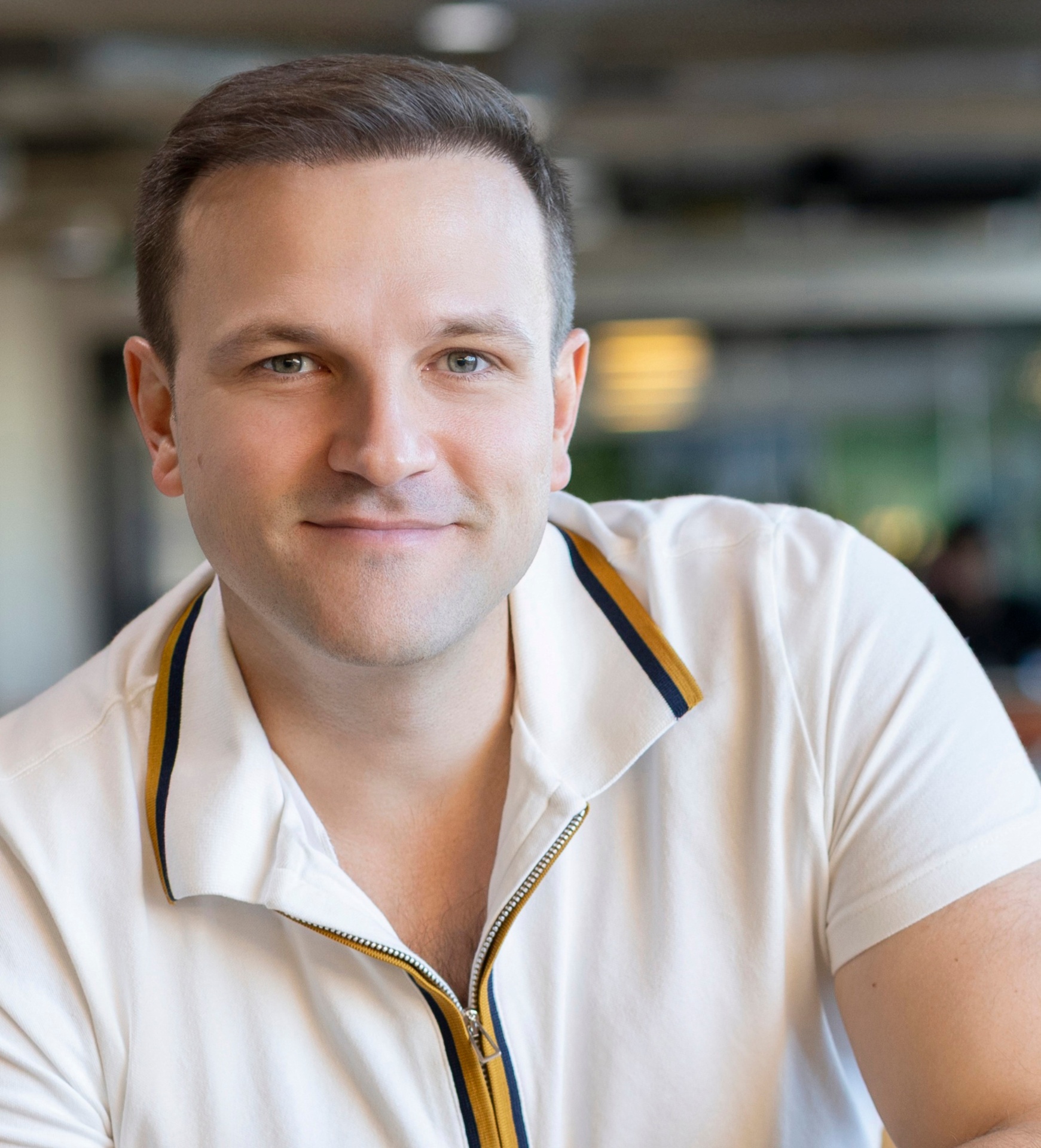
Alon Talmor
Alon Talmor
Founder & CEO · Mosaic AI

Alon Talmor is the co-founder and CEO of Ask.ai, an AI platform designed to support customer-facing teams. He is a serial entrepreneur who began his journey by co-founding BlueTail, a software company acquired by Salesforce in 2012. Following the acquisition, Talmor served as Chief Data Scientist at Salesforce before taking an unconventional path to pursue a PhD in AI and Natural Language Processing (NLP) from Tel Aviv University. This deep technical expertise informed the creation of Ask.ai, where he focuses on building practical AI solutions for enterprises.

Questions answered in this episode

References & resources

Hosted by

Jason Kirby
Jason Kirby
Host · Founder, Thunder.vc

Podcast host, angel investor, and serial entrepreneur with 4× exits ranging from small businesses to VC-backed tech companies. Jason has been personally involved in over $100M in transactions and now helps founders close their next transaction at Thunder.vc, from pre-seed rounds to $100M exits. He coaches founders through their next major transaction and gets the deal done by introducing them to the right people in his network.

Apply to work with Jason

Full transcript

welcome to Episode 34 of fundraising demystified today we have Alon tamore co-founder and CEO of ask AI an AI sidekick for customer facing support teams they recently raised an $1 million series a after previously raising a $9 million SE Bon is a Serial entrepreneur who previously built and sold the software compan to Salesforce and then decided to pursue a PhD in AI he shares his insights into the future of AI where the market is today and how every company is trying to keep up and adapt how he built deep relationships with just a select few investors and the challenges he faced raising capital in a down Market in a crowded sector as a reminder to get notified of our weekly podcast and newsletters be sure to subscribe at join. thunder. BC again join. thunder. BC now on to the show hey everyone welcome back to fundraising demystified today we have Alan tamore with us today from ask aai welcome to the show hey everyone I'm really really excited to have you on the show today uh you have an impressive found you know serial founder background technical background and I'm excited to learn about your story and what you're doing at ask AI so if you can just tell the audience a little bit about what you're doing at ask Ai and a little bit about your background perfect so maybe I'll start from the beginning um I'm a second timer for startup was sold to the salesforce.com H we were sold in 2012 we actually did back then company called bluetail something that today in our current company ask is what we call a single app out of a variety of solutions we're doing we would actually aggregate multiple information from the web about a prospect and show it as if it's like a LinkedIn on steroids back then in 2012 that was that was pretty new it seems it seems to be also a bit new today yeah or needed and I was we were so to Salesforce opened the Tel Aviv office I was Chief data scientist at Salesforce and 2015 when my vesting ended I went to do something a little bit strange for a a entrepreneur I went to do a PhD in the field of AI and NLP I was looking to see where the future is taking us and I was pretty lucky to to meet uh a professor coming back from Stanford to lead the NLP efforts in tviv University and back then NLP was nothing near or AI nothing near what we see today with chat GPT H Deep learning was the word people would use back then and it wasn't applied too much to NLP mostly to Vision computer vision and we actually were lucky enough to see the whole Revolution unfolding in 2018 get a best paper in 2019 with people that were the authors of what they call bir a foundational language model and in 20120 when I finished my PhD we actually realized that something big is going to happen with generative Ai and open ask AI but our Focus was actually not to be a foundational model company even though I brought with me the professor a few other professors and phds like really great minds but our Focus was actually to become a Solutions company H around generative AI as kind of our our core offering and uh our philosophy around that is actually interesting uh we see ji as as something analog analogist to personal computers you know it's going to make us all more productive more efficient it's pretty obvious to everyone but it's not very obvious how actually especially in industry and so if you look at the beginning of personal computers it's actually a little bit similar to that like when Apple 2 came out people would learn how to code play a few computer games that's pretty much it in the beginning only when another company not Apple but Microsoft came along with Windows and with kind of uh office and word processor then companies really started buying it for employees until today it's pretty obvious every employee needs a computer that's the first thing you buy so we and ski aspired to be like the second thing you buy for an employee a real AI helper or what we call an AI sidekick and that's kind of our our vision to empower every employee not replacing people but actually empowering them with AI I can get deeper into the product soon but yeah that's kind of the the overview of who we are I can see how you raised money uh I think you do a great job of telling the narrative and one coming in with an incredible you know technical background getting your PhD yeah that's an unusual path I uh but it seems like it was worth uh pursuing what did your you know what when you were leaving Salesforce and you know kind of pursuing that PhD that's such an uncommon path for Founders to pursue um what were people around you kind of telling you when you were making that decision that I'm bored you must be bored why are you doing this and the reality of it is that like all my co-founders open actually successful companies one of them is the CEO of Placer AI the other one is the CEO of Plank and the third is the CTO of Fung guard so I I'm really admired by my previous Partners I was a actually looking for a technological breakthrough to to Really disrupt industry and that's the main reason that I went to do a PhD so you know something romantic about it as well like my father did a PhD before me and I filled like I always wanted to do one I was before that before my first company I was doing kind of brain science and I started a PhD and didn't continue so I always Fel felt that something was missing there so that was the kind of second reason and and yeah the third is it's true I was bored like I was looking for interesting things to do I was traveling the world one year between 2015 and 16 and then I thought what would be interesting to do and it was a click when I met that Professor Jonathan Baron that was coming back from Stanford he actually didn't want to work with me at the beginning he was asking why should I work with you you you don't have any kind of certificates or you know why why why do a PhD with you but eventually I was able to persuade him and I was happy to do so yeah that's a great story yeah um and so something I want to kind of highlight a little bit more going back to Blu tale your company that you sold to to sell as fars what was the market like back then cuz this at least from when I looked on your LinkedIn this was a 2009 to 2012 like terrible you know market for most uh and to build a company and sell it to a behemoth like Salesforce in three years what was that experience like and did you raise outside Capital to to do what you had to do there and kind of how's that different back then versus now it was very hard back then I'm what you may call a a crisis time founder I always found a company when there's some kind of challenge in the market now it's the 2023 2022 Challenge and back then it was 2008 2009 and back then I can say that it was much harder from two reasons first the the more local market ER the whole Market was not that involved around cess so it was harder to sell you would you didn't have zoom you would need to sell face Toof face the selling was much more old school and so back then we actually started bootstrapping like we we had consultant jobs in data science and in three days a week we would build the company the four co-founders and we had one co-founder that was that would go I would go and the that co-founder would go to to San Francisco to try to sell to to uh you know Valley companies like companies that were young back then like maretto were our first customers actually and we were doing that while bootstrapping we actually got to a few hundred thousand dollar before we were actually looking to fund raise and uh around that time uh we were looking for partnership with Salesforce and eventually they they just acquired us so that's that's the the story but I can say that back then even if you were to raise the the amounts were nothing near the the dollars you would raise today yeah a very very different game back then to to now yeah and so all right you sell a company you're uh you living that big corporate life uh investing at uh Salesforce you know for for Founders out there that haven't had that experience what's that transition like post exit and transitioning your team your product and you know going to that big corporate position it's actually not not very easy it's very different when you're very small startup and even back then uh Sal was a bit younger was already a pretty big Corporation with 100,000 customers H we were actually the first external location Salesforce had and back then they were mostly San Francisco in Bay Area and but I can tell you that corporate life for me personally some Founders found find it easier for me it was a little bit harder like I was looking for quick impact and in bigger companies you need to have patience and so that was a little bit challenging yeah I think it's well said that was my experience where we sold our company at Walmart was it was you know you want to go 90,000 miles hour and you can't there speed meetings right yeah a lot of meetings let's uh let's synergize everyone um so all right so now now you're You're Building SK ski you've got the idea you know at what point did you decide that you're going to need money and how did you go about raising the capital that you needed for for ask AI well the the the challenge in the beginning in 2020 was there was no hype in market like now like if you look at chat GPT it was out November 2022 so we actually didn't sell Geren of AI because no one knew what it is we we started with kind of foundational Solutions one of them was Enterprise search with Gen VII on top but the reason we co coined it that way we didn't even call it geni we call it Google like answers Google answers like something that would just answer your question because back then people would not know that you can even ask a machine a question but the the market of Enterprise search was was there there were companies that were doing Enterprise search and so we were trying to sell Enterprise search with kind of a whole new flavor that was kind of our first offerings and our first design Partners we started with design Partners before we fundrais it we fund raised and one maybe privilege that I had is that I could I can actually fund my own kind of beginning so instead of taking kind of a preed of sorts I actually funded the the first kind of month in in which we we'll built a prototype we started with design partners and then when we got kind of early validation then in the end of 20121 we actually fundraised and and officially opened the company gotcha so you worked on it for a little bit and I think this is interesting thing to kind of highlight because this is something I thought was the case is you kind of got going and and because of your background you you had some succcess before you were in a fortun position to kind of sell fun to make sure there was something actually there before going through the hle of you know formalizing everything um so I appreciate you kind of sharing like that process and when you kind of set when you said you had some validation how did you define validation and did you decide on what validation meant before you got it or did you just kind of look at yourself like all right now now this looks good well it's a combination us two things first find a substantial uh stakeholder you want to you want to kind of Target then uh see that they actually have the need and listen to them first like what needs do they have and are you before you tell what you're doing are they already saying that this is a need they have and and afterwards if you actually build a prototype and let them use it see that they love the product you know the cat is high they're use they're using it with a high kind of usage that for me is good validation it it obviously depends on which Market you are but uh for instance when we started with one of our first kind of design Partners YPO they were about 800 people strong and when I talked to the VP of delivery he said you know our product is a bit uh complex in terms of documentation we get a lot of questions for your success and support and it's not like these kind of Chad bot questions like how do I I don't know disable my account or upgrade my account it was more kind of a longtail kind of how do I do something complex with a product like remove a user add a user do some troubleshooting and stuff like that so we felt there's a gap with these kind of complex knowledge companies and many of the plg company companies have that problem because they're self-served their product is out there there's a lot of documentation and customers find themselves asking questions of how do I do something with a product and that if that's not treated creates a lot of friction internally for support success a lot of questions going to product it actually infiltrates all the way to slack and then to the product people and everyone is working around this customer trying to answer questions right so we we felt that pain before we actually built the solution like he was really expressing it it's everywhere it's covering my slack everyone is asking questions all the time it's as if they work just to answer questions all day long so you get that Val so you get that validation from the the customers and that that's the point in which you know you guys kind of decide this is real and and decide to move forward yep yeah only then we actually decided to to fundraise an actual round I'm a bit of a conservative uh founder from even my first company I always looked for actual either validation or Revenue to to match the state that I'm in I know that in 2021 it wasn't necessarily the case like companies back then would just raise money for having nothing just you know surfing that hype wave of a lot of companies having you know raising money but the challenge there is look what happened next like if you would raise an inflated valuation then you would need to fight now in 2023 2024 for a next round not to down round yourself so I'm I'm a little bit more conservative uh I was lucky enough for that to actually pay off in this situation I wish that you know wasn't so challenging in 2023 2024 but you know that's the way it was yeah let's break that down so you know you kind of formalize the company into 2021 PE a market uh you go out and raise uh a series of capital rounds going into kind of colate into the seed round so could you kind of explain to the audience you know what that was like how much did you initially raise and then what was that the timing like what was your process that kind of stuff so some interesting times there as well I had the I was looking to bring a COO to have kind of leadership to to help me and build a company that coo was actually working from another another much larger company and we were playing around one day a week week and he said you know if we raise around then I'll I'll join fulltime and I wasn't lucky in a sense that we actually started uh raising money get her and I actually presented him to to investors and in the middle he got some promotion or if he felt that leaving corporate right for a startup back then that was a much a little bit of a trend because you know people would think wow startups are raising so much money maybe I I leave my corporate manager you know executive job and I'll just you know be able to to live the the great startup life and so great so easy yeah it seemed back then you know it seemed a little bit like that because they were reading the newspaper and saying wow people are raising insane amount of monies for nothing you know and why can I do that I can probably do that and not realizing that it's obviously much harder and then when uh you know H push came to shove we actually were offered a term sheet he backed off and didn't continue and obviously that created a lot of a lot of problems in the round because you know the investors are seeing you they're seeing that you presented someone in the company that was supposed to be an executive and they're not continuing and so that makes the round much harder I needed to work very hard to complete the round it was it was really day and night like I I didn't sleep those those days just to complete the round because if I was already in the middle and it was kind of a more of a formal round like I I put a lot investors and they were all you know in in the same timeline trying to trying to get to to kind of a closing and in kind of a more a more orchestrated way and that happened in the middle almost towards the end so very hard yeah I don't wish anyone that experience so kind of in the middle of this your main you know kind the part this executive That was supposed to come board just drops and you're stuck with having to change your complete narrative uh mid fundraise after already starting conversation so definitely could erode trust or you know uh commitment to to an existing route uh so how did you overcome that did you have to go out and convince the investors that were already interested that's not going to make a difference or did you have to go bring in new investors at the new narrative so I'll be so the investor that already was that was state of mine Ventures called and mirav our our director there she I actually and that's what I recommend every founder have a have a honest conversation with your investor and tell them the truth tell them exactly what happened and exactly why even if it sounds horrible they would appreciate that and you managing that situation much better than to try to make make it look more pretty or nicer or change how it looks you know because they they've seen hundred of companies they actually want to see probably a Founder that's able to face challenges and you know heads on than to see a Founder trying to make it look prettier because they know that if that happens now when revenue is not great it would happen again to a point that they don't know if they can trust so trust is the the the most important thing and I think I built that trust relationship telling her the truth she was she actually wanted to continue the term sheet it wasn't the same terms like in the beginning she was looking for me to obviously she was looking to for me to find maybe a co-lead I I told her yeah that makes sense maybe I'll find a co-lead and then uh it was not obvious to find that kind of Co lead in the in the middle of the round so those few days were really hard and I needed to kind of really really really um be in intense conversations with many investors in that that final few days until we got the co-lead from vertex Ventures and yeah it all kind of finalized in the last moment yeah and how many investors did you talk to to kind of get this round together and finally get beex in the door actually not too many surprisingly like she was probably one of the first we talked to and we didn't talk to many more we were actually lucky enough to find the right ones and yeah and it wasn't it wasn't too many investors I don't know if it's more distracting to talk to too many investors at the same time what you really aspire to have is like to have two three good ones that are kind of competing for kind of the final term sheet and kind of focus on who they are and the good chemistry there then to be very widespread and talk to everyone at the same time and say I'm in around and you know that's that's very distracting and you would find that you can't pay attention too much to each one of them like you could if you really focus did you know that most Founders waste days of their lives chasing the wrong investors well as a Founder you know your time is your most valuable resource don't waste it on the investors that aren't going to write you a check here at Thunder we built a free tool that identifies exactly which VCS are worth your time to pursue we score your company against 3500 VCS and family offices that have been vetted and are actively writing checks into companies like yours get your AI recommended list of investors that will look like this absolutely free by creating a free profile at thunder. BC you can upgrade to premium to download this list exported to any tool you wish and get their contact information and access the data on their portfolio companies to map out a path to warm intros and build your founder Network sign up for free at thunder. VC now let's get back to the show I think that's inred feedback for a lot of Founders because you know some everyone's journey is a little bit different where some are like we talked to 100 and then some are like we talked to five and um and with it with that like how did you narrow down who you should be building those relationships with and and how did you facilitate those introductions I think it's all about in the end of the day it's chemistry with the the GP like you want you want a good a good a good uh uh VC that are well backed and have a good name and but in the end of the day it's your chemistry and Trust in in the general partner that you feel they would be a good ad to your board of directors and they understand you and you speak the same language and like you complete each other sentences almost like you just see the world the same way and also I really recommend uh you know GPS that are founder friendly in a sense that they they're not too old school you know like not too if the going gets rough I just F fire the CEO and that's it that's my job no like more modern kind of approach and there are a lot of GPS that you know today are more like that so I think it's both it's kind of that kind of chemistry that you feel is I don't think you can really express it in words you have a conversation you feel it you feel that they understand what you're doing they understand why you're doing it what's the pain what are you trying to solve they they see it you know and I think those are the ones you need to continue conversation with not just the ones that say yeah this field looks interesting but you feel they don't really understand what you're doing at all it just some you know General this field looks interesting or something yeah no I think that's a good sentiment I've definitely seen the I would call more traditional Finance type VCS than I would like the VCS that are are as you say modern that have a more founder friendly approach where it's about the relationship and acknowledging the fact that VC means there will be losses like that's just the name of the game and focusing more on trying to nurture your best you know poros and you know not stressing over you know firing a CEO or those kind of things which can create a lot of drama for for VC's yeah it doesn't always get there obviously but you know even in the dayto day you want to feel that they're backing you up and not fighting against you there's enough trouble for a Founder doesn't need more trouble from the board like just running a company is hard enough you don't need to feel that the board is not aligned with what you want to do yeah it could be it could be exhausting exactly you know as you have to convince the board to you know justify whatever you're doing as opposed to then having that relationship and Trust there uh because yeah then board meetings become a distraction as opposed to a tool to to enable a founder and and then the worst comes about that you're not honest with your investors if you don't feel that you you know you build a good relationship you talk about anything it's not a problem even if there's a problem you can say it they're not going to be too harsh about it then uh there comes a point in which you won't tell your investors the truth and then it all goes sideways yeah the the stress level of a Founder to have no Outlet to be able to communicate and share the real deal of what's going on can one drive the founder to complete burn out Andor make them nonfunctional unable to perform if you are carrying that burden of you know not disclosing what's really going on and car carrying that entire burden on your shoulders as opposed to being able to release it and share and collaborate uh with your closest confidence which should be exactly and you know even small small quote unquote lies become could become very quickly much larger ones if you're not honest from day one and then it can be too even too big to disclose you say wow this is huge and I didn't say it what would they say now if I say it you know it just yeah keep stacking stacking see any Revenue like we didn't see revenue for two quarters now three quarters we didn't you know you know so yeah now uh I've invested in some Founders that didn't disclose what was going on and that led to the because like it was such easy fix like the things they were going through they just first- time founds they didn't know any different um but they held it in didn't get the help and then it became unfixable because they drained the bank account to the point where it wasn't solvable anymore y um so advise Founders but then who you who do you go to right you go to your investors you want them to but they need to feel if they're going to give you a bridge or they're going to you know put their faith in you they first want to feel they trust you so so if you didn't build that trust then they wouldn't come back to help you again when you really need it yeah yep and then so all right let's go back to the seed you've uh had that falling out then you're able to secure it you how much did you end up raising and how long did it take you to to raise that initial uh round so the the first kind of uh uh the first kind of uh funding was around 7 million then when 2022 struck we we raised a little bit of an extension there was a two two reasons for that 2022 I mean the challenging Market there yes very and kind of in the in the middle middle of the Year June July August something like that not not too far from our from our seed round it was kind of a uh not a very large amount another two million and mostly from us investors the strategy there was to actually take multiple smaller investors that are strategic like GTM funds interplay and and many other kind of Angels or other kind of smaller that had good industry names I really recommend to to do that especially in the seed or precede you don't know when these guys would help you and they always do eventually either F finding a new prospects and New Deals helping you with other Investments later on connecting you to people and there's always something they can help you with so I really recommend not just taking you know two big VCS or something like that or one but actually having kind of a if you can because it's it's really demanding you find yourself doing conversations with each so in a sense you're raising money if you took like 10 or 20 other kind of small VCS or stuff like that you find yourself doing conversation with each one of them but if you do have kind of the the the time EMP powered to do it I really recommend it it really helps you later on you have like a much broader investment base and with that seed extension did you guys change the terms or or just kind of tack onto the existing terms yeah I was more like a safe round so our company was growing we were seeing Revenue so it wasn't the same terms obviously we were we were growing yeah so good opportunity to kind of bring in some extra cash build up the war chest as we go into what ended up being a terrible Market to have to go out and get more money if you needed it um so you know Wise Wise decision on your part there but you know jump forward you're growing You're Building um when did you decide that raising an a round was the right decision and how did you time that we didn't so I'll tell you exactly what happen um we were not looking to raise actually there you know all the investors say that all the founders say that to investors and it's a game everyone plays that you think if you're saying you're not looking for money then you obviously are but the reality was that leaders fund that funded our our aound I actually one evening you know you never know you should always meet investors always like if you can meet investors if they're if they want to meet with you or you get an introduction or they're interested you should always meet them there's two reasons for that one even if you don't get investors you're building a relationship ship that relationship they want to see you grow especially in later rounds like a b and c they they want to see how the evolution of your company unfolds how your Revenue grows how your Market fit becomes better so even if you don't get that investment it's just a friendly call it's very good to have these checkpoints okay but specifically with leaders it's that they are like a boutique um Venture they do only Investments a year and we got a very warm recommendation on them from other companies that I know the CEO there and um it was actually pure luck like they invited me to a dinner it was uh very late at night and I was tired and a little bit sick and I remember telling my partner that I won't go it's just too much and eventually I did go and the chemistry with David Stein that also sold this company in 2012 repo to to Salesforce and with Gideon both of the the partners there that were really close to us was was really amazing even from from day one was really good chemistry they were in a visit and we then met every day after and a week after we were with the term sheet so it was you it could you can call it luck but I think that a Founder that takes enough meanings suddenly this chemistry strikes some point so it's not exactly luck it's you working to get that luck to happen manufactured luck something like that you gotta do some work it doesn't just fall in your lap you gotta go out and put yourself out there yeah you never know that's the thing with Investments you never know who would want what who would be in the right timing with a right kind of perception of your market and the right thesis you know investors build build their own thesis they don't just come to invest they they research they think about what they're going to do and what they want to strategically invest in and and you never know what what state they are I hope they do I feel like 2021 there was a lot of n none of that going on they were now it's much harder yeah yeah uh no that that's amazing but you know also like you you have to build a good company too you can't just have great chemistry you got to build something that's investable yeah I'm over yeah I'm over the chemistry if you're going to get to I think in seed round and and and the preed it it is about the founder more about trusting the founder I think in Aon it's about you know product fit like are you are you close to the millionaire or are you are your customers loving you if the investors called the customer without even telling you what would they say to the investor do they love you or not like that's critical and the good investors would just do that they would if they see you're interesting they would just call your customers without asking you at all they put the logos on your uh on your site and they go and try to hunt down uh access to those people and figure out how to make it happen now did leaders fund take the entire round of the series a no the the seed round investors that put their pra as well and but yeah that didn't leave any room in the round we didn't we weren't looking to raise uh too much money even even though even now there's a lot of startups in the field of AI that that raise hundreds of millions and that's awesome but look you know reality strikes eventually with every founder if you raise a lot of money with a big inflated valuation if you don't match that with your Revenue you know push would come to shove eventually so you're just delaying what would inevitably happen we're not in 1999 we're not in 2021 uh that would even if there's hype in AI that would inevitably happen that they would want to see that your numbers match something around dur valuation no but I think that's good advice and I think a lot of Founders get too hung up on and I say it's really a first-time founder versus a second time founder uh mentality in a lot of cases first time Founders get so hung up on maximizing valuation as early as possible retaining as much own I'll have 100% out of company with a lot of valuation that's kind of the state of mind they're not I'll build a company that can really make money and one day be profitable maybe yeah like a a real business as I like to call yeah a real business like not making money as a gold but something that would really work yeah yeah customers love it and they pay enough to sustain it and you have good unit economics you have a real business yeah um so you know in this process you know I appreciate kind your Gander and kind of sharing how you built these relationships and the chemistry were there any mistakes that you felt you made in the fundraising process I think uh the only one is that I didn't uh I didn't build enough relationships maybe early on with bigger investors it you could never start that too early that's the only thing I can I can say like start talking to investors whatever you can it's better to if you can get introduced to GPS there was all there were always be you know principles or in like not principles but you know invest early investors that would Scout for you but I think if you so you don't have to take all the calls because there's always scouters out there but but if you can get introduced to a GP yeah it's really really important to to to build those relationships early on and let them see you early on that's the only thing I I think we should have done even more I appreciate that would there be any other parting advice as we wrap up this podcast for uh Founders out there looking to to raise Capital um I think uh it's it's more yeah about kind of uh uh being very candid with a lot of investors nowadays because the market is hard and investors are are want want that kind of trust to invest in the company so again if you're able to build relationship and show how you you're building a great business you have to build a business that's a given but if you're showing them that you're building a great business and you do having kind of multiple touch points with them eventually they see how you're it's growing and how you're building it and how it's evolving that's probably a very good place to be to eventually fund raise sometimes Founders you know say and now I'm going to do a investment round and I'll say hello to all the investors and first time that would probably work less well than to build a relationship yeah fair enough no that's good good parting advice and for audience here that wants to learn more about you or ask AI how what's the best way for them to to learn more about you or follow your journey website has a a pretty maybe catchy name ask.com so you can learn about us there and yeah even you know shoot a me message to us on LinkedIn I'll try to repost this as well and yeah we'd be happy to talk perfect no appreciate that and I really appreciate you have sharing your insights like there's some really really good nuggets of you information that I was able to capture from here I have this like clip feature where I take these little Clips every time there's something really good coming out and I think you hit our hit a record in terms of the number of Clips we got so far so I really appreciate you sharing your insights and and joining us with uh on the podcast today thanks thanks for having me was a real pleasure thanks for listening to the show today we hope you learned something valuable and if you did be sure to let us know in the comments or by hitting that like button and if you're a Founder looking to raise Capital then join us at thunder. VC we provide a free tool to help you identify which VC family offices or lenders are the best fit for you using RI it will save you a ton of time from chasing the wrong investors and since launching our free tools Founders that have joined our Network have gone on to raise over1 billion in financing again you can find these free tools at thunder. VC and as a reminder we release new episodes every week so stay informed by subscribing to our newsletter at join. thunder. BC again that's join. thunder. BC and if you or someone you know has recently raised around and want to share your story please email me at Jason thunder. VC and that's our show we hope you enjoyed it and we see you next week