← All episodes
Sep 26, 202338mEpisode 17

How do you combine grants and VC to fund a medical device?

The short answer

How do you raise a $2M seed round for a pre-market medical device? Mustafa Al-Adhami of Aztec Diagnostics combined $1.6M in non-dilutive grants with a clever fundraising tactic: bringing VCs and angels into a hospital for a live product demo that delivered clinical results in minutes, not days.

Market Context

What 2026 exits actually pay for SaaS

Miro had $600M ARR and 250,000 enterprise customers. They sold for $1.79B — roughly 3x revenue. Their 2021 investors took a 90% haircut on their mark. This is the current market clearing price for quality horizontal SaaS. If you are building toward an exit, you need to know which multiple category your business belongs in — before your board does that math for you.

Highlights

  • Secured $1.6M in non-dilutive grants from sources like the NSF's SBIR program and Maryland Industrial Partnerships.
  • Paid a grant writer $17k + a 5% success fee for a Phase Two SBIR application to save founder time.
  • Nurtured 36 investors before the seed round; 5 invested after a live product demo in a hospital.
  • Leveraged a Maryland tax incentive to give investors a 33% tax credit on their checks, de-risking the deal.
  • Views acquisition as the most plausible exit; already building relationships with strategics 18+ months before a potential sale.

The full breakdown

Mustafa Al-Adhami, co-founder and CEO of Aztec Diagnostics, is developing a rapid antibiotic sensitivity test inspired by a family medical crisis where his grandfather waited four days for the right antibiotic. To fund this capital-intensive venture, he raised a ~$2M seed round and secured an additional $1.6M in non-dilutive grant funding by executing a disciplined, relationship-driven capital strategy. His approach was rooted in the philosophy that "investors do not invest in a point, they like to see a line." Al-Adhami spent the last year of his PhD program cultivating investor relationships before taking any capital. This groundwork led to an initial $150K convertible note from Tedco in Maryland immediately after graduating in May 2020, followed by an investment from Y Combinator. This early traction demonstrated progress over time, building the credibility needed for a larger seed round. To close his seed round, Al-Adhami used a powerful, tangible demonstration of his technology. After challenging his team to produce clinical data by Christmas, he invited his nurtured list of investors to the University of Maryland Medical Center. He explained, "By the time we're having a quick chat, the results came." This live proof point, showing his device working on real patient samples, was the final catalyst. Of the 36 investors he had been nurturing, five invested in the round, joined by four new investors. Beyond equity, Al-Adhami aggressively pursued non-dilutive capital. Aztec Diagnostics secured $1.6M from sources like the National Science Foundation's (NSF) SBIR program and the Maryland Industrial Partnerships. Recognizing the time sink of grant writing—the first application took him and his co-founder a month and a half—they hired a professional grant writer. For a Phase Two SBIR grant, this cost approximately $17,000 upfront with a 5% success fee, a worthwhile trade-off for founder focus. He also leveraged local incentives like Maryland's Biotechnology Tax Incentive, which gave his investors a 33% tax credit, de-risking the investment and making his deal more attractive. With the company still 18 months from market, Al-Adhami views acquisition as the "most plausible option." He is already applying his fundraising playbook to M&A, having regular "coffee with the strategics" to build relationships long before a transaction. This long-term, process-driven approach to raising capital and planning an exit provides a clear roadmap for founders in deep tech and other capital-intensive industries.

Who's on this episode

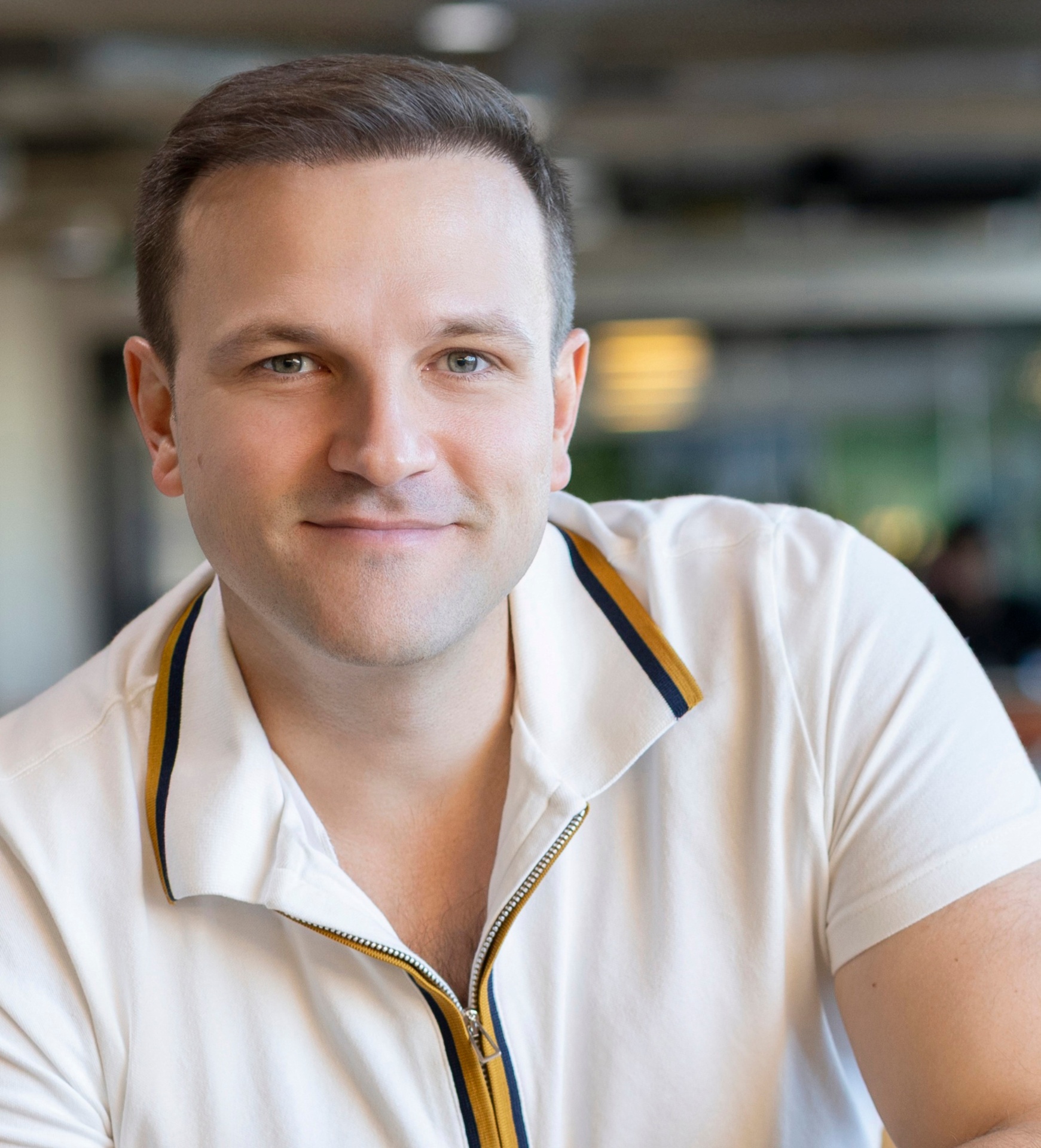
Mustafa Al-Adhami
Mustafa Al-Adhami
Co-founder & CEO · Astek Diagnostics

Mustafa Al-Adhami is the Co-founder and CEO of Astek Diagnostics, a company developing a rapid, single-use test to guide antibiotic selection for infections like UTIs. Inspired by a personal family health crisis, he leveraged his PhD in Mechanical Engineering to create the technology. Mustafa led Astek through the Y Combinator (S21) program and has secured both venture funding and significant non-dilutive grant funding from organizations like the NSF. He is originally from Iraq and was a refugee before coming to the US to pursue his PhD.

Questions answered in this episode

References & resources

Hosted by

Jason Kirby
Jason Kirby
Host · Founder, Thunder.vc

Podcast host, angel investor, and serial entrepreneur with 4× exits ranging from small businesses to VC-backed tech companies. Jason has been personally involved in over $100M in transactions and now helps founders close their next transaction at Thunder.vc, from pre-seed rounds to $100M exits. He coaches founders through their next major transaction and gets the deal done by introducing them to the right people in his network.

Apply to work with Jason

Full transcript

ten years ago I was a refugee I made so many mistakes I was called stupid so many times I knew English from Eminem and 50 Cent to be comfortable speaking with you right now it took me years people look at me weird and I didn't have the refugees yeah like that's not that excuse right I had no excuse you know that was just bad if you don't ask then you you never know people ask you who's gonna pay for it it's a huge question in Health First going through the FDA is not easy you have to say the right thing at the right time and you have to get the professionals really involved and early on it's a crazy process how many investors did you kind of nurture or reach out to and try to build those relationships with and how many ended up actually investing in the business so that was welcome to episode 17 of fundraising demystified a podcast where we cover the untold stories of startup Founders who have raised Venture Capital to bring their Visions to life join me Jason Kirby as I interview these Founders and dive into the hidden truce how they got fun today we have Mustafa a refugee turned PhD graduate and now co-founder and CEO of Aztec Diagnostics a rapid antibiotic sensitivity test company that's raised a two million dollar seed round we're going to dive into his inspiring journey of fleeing his home country as a refugee learning German to be able to pursue a degree and then culling to the U.S as a PhD candidate only to pursue the American dream of starting his own company we're going to learn about why he started this company and how he got into why combinator which led to him raising his seat round it's an inspiring story you do not want to miss everyone welcome back to the show your host Jason Kirby here with fundraising demystified and today we have Mustafa joining us co-founder and CEO of Aztec Diagnostics welcome to the show thank you thank you for having me I'm excited to have you on the show excited to learn more about Aztec but let's just go ahead and have you tell a little bit of background on what Aztec Diagnostics is and how you concept to conceptualize the idea for the business yeah so um we have developed a rapid antibiotic sensitivity test so every time you go to a doctor and you get an antibiotic it's a guess Physicians are guessing that you have a bacterial infection and they're guessing that the specific antibiotic will actually work a couple of years ago my grandfather um kind of went Delirious overnight and we had no idea what was going on it was later discovered that he had a UTI and it took doctors four days to determine what antibiotic to give him in the meantime he had fallen broke in his hip he had no idea who anyone was and that really changed his life forever so that day I thought you know I had this idea might as well try to make it happen if anything it's for my own grandfather and that's why our products called did you do this is what I called my grandfather growing up yeah that's that's why the personal origin story for solving a very important problem to you and and that's impacted you and your family um so I guess kind of walk us through like a little bit about your your technical or research background that allowed you to be capable of kind of pursuing this this field and pursuing a product like this yeah so um I have a PhD in mechanical engineering with a focus on uh blood hemodynamics so I studied the sedimentation rate of blood uh so I always like was close to the biomedical field um and on the side I was doing this project where we were trying to detect bacteria in water um I'm from Iraq um and in Iraq we had cholera so you know right in the news 8 some people are dying Colorado and I was like hey maybe I could help solve that um so we built this device and by the end um I took it to a friend who worked at the unhcr I was like hey you know we can detect common water and he was like we have these straws that are called life straws they filter out bacteria so even if there's cholera really we don't care to know because they're filtered out so my whole idea of that kind of went out the window so we're back I was doing a PhD at that point and you know one thing led to another and um you know my grandfather got sick and we pivoted into doing you know Diagnostics and um so you basically seeing this process having an idea didn't work out pivot to a new solution um at what point did this idea come about and you guys you know started the process of actually building the product and building the company yeah so so the idea was there and then um I decided the second I graduate I need to pursue this full time so that was uh May of 2020. um so that's when I got the first investment check for Aztec and now and we decided to uh microphone tonight uh we decided that we should just do this full time and focus on it and one of the biggest things that we accomplished is in the pandemic in my basement within one year we were able to build a prototype that was actually verified in a clinical setting um on blood even harder than urine we're doing your own now mostly but we did it on blood so that's like what's the biggest biggest accomplishment wow and like say you said it basically a facility in your your lab in your basement is effectively what you guys did to kind of get to this kind of stage well I would call it the facility so a couple of things so so prior to Aztec I had invented a method to bond acrylic sheets without affecting the um the specifications of acrylic right so the idea is all you need is alcohol in the oven right so in my basement I have alcohol right check my wife's kitchen I have I have an oven check the only thing that was missing is because we're doing microfluidics is I needed to engrave um on this plastic sheet so what we ended up doing is have you seen this engraving pens they're like for jewelry so we started getting these we buy plastic we engrave it put some alcohol alcohol on it you know it's compress it put it in in the in the in the in the oven and this is how we built our microfluoridex but then on the other hand Kevin is a software developer so his life was a little bit easier um so he built a software I built the hardware and um and that's how we we got our first prototype so it sounds like you know finding the right co-founder uh was an important part to this uh absolutely absolutely and you know walk people through the process of all right you get a prototype you have something here you're raising a little bit of money how did you get your first uh outside capital and how much did you raise and kind of what was that experience how did you find those investors yeah so so earlier on I knew you know I knew what I was going to do once I graduate so I spent the last year of graduate school kind of cultivating these relationships um so I tried to you know present at places and like the business idea just get to meet people have some coffee chats because one of the biggest lessons that I learned early on is like investors did not invest in like a point they like to see a line see that you know what you have accomplished if you're sticking with it so I knew the second I graduated I was gonna get that check from tedco here here in Maryland so it was 150k uh convertible note they were received and we knew that was like that was our budget to build a prototype um once it was once it started working I had already been in contact with um with Y combinator so so that became our our second uh check and you know we went through YC unfortunately I got very sick towardsy so I was not one of the hot companies coming out of YC did not raise much money um but you know we raised enough to stay alive and that was supplemented with with a grant from the NSF to to to build our second generation prototype that it was kind of more consistent and was not made in my basement uh yeah and you mentioned something a couple of points that I want to highlight for for Founders listening is investors don't invest in a point they invest in a line and I think that's a very valuable quote there in the sense that you know that they want to see multiple points over a period of time I mean progressing and the progress of the product or the business uh over a period of time and that requires you to kind of establish those relationships prior to ever needing money uh and so it sounds like you worked on that and then you mentioned with YC before you applied you already were in talks with them can you kind of elaborate on that did you you know connect with the partners or other members how did you go about building a relationship to get into YC so I actually connected with a bunch of companies that did YC and kind of learned how things are down there so um what I learned was do not overthink the application that was like the biggest thing I learned so like I said half hour I wrote the application because it was just exactly my thoughts how I'm like talking to you right now um so just between that and having like knowing who the partners are who who they would be and what they have done before I kind of like wrote it to them and and that was the strategy that's what's good about it's kind of connecting with the founders that were already in it that have been through it and then you know learning the tricks to kind of tailor your your application so you know want to get into YC it's uh there's some good tips to listen to so you get the YC money YC didn't seem to maybe be the best possible experience seems like you know got sick and other things came up yeah but you still were able to kind of take the business to the next level um you know you raised a seed and you know earlier this year so kind of walk us through the the fundraising cycle post uh YC yeah so plus so I see um it gave us about an eight month Runway and I challenged my team at that point we were four I was like Hey by Christmas you need to get me clinical data and I had it like on my in the office door I had like a counter like countdown to Christmas and you know if you're a part of the team you'd think you know you know what this is about if you're not a part of the team you think I'm excited for for my presence so do it by Christmas we had 36 samples tested and I was like all right this is exactly what we need to show so what happened was all these people that I had already met before we had already had these coffee chats I was like hey do you want to come see our product like live so we had all these investors come to the hospital at the University of Maryland Medical Center it's like all right sit down here let's chat until like we get a patience um sample right some of them said no some of them were very excited about the idea some of them brought like two Physicians with them to make sure we're legit and once like think about it like you need days to get results for antibiotic sensitivities by the time we're having like a quick chat the results came and it that was enough to push to get two people to the Finish Line like one of the one of them was like you know he kept on having a meeting after I meet after meeting but it was until he saw how the product was working he was like all right I'm in right so to me and once we got the first couple of checks things got a lot easier um we have we had new investors who knew other investors and and you know just kept on um you know adding adding on and in the end we had to stop praising uh because we needed to focus on kind of building our product and making sure we had milestones and how many investors did you kind of nurture or reach out to and try to build those relationships with and how many ended up actually investing in the business so those 36 and oh like for all the people that I was talking to um and in this last round we had five of them invest and four new investors uh came on board over these all individuals were they BC fines what what was the makeup of them it was a bunch of everything so we had two VC funds um we had some angels uh yeah yeah those two VC files that had about 750 between the two and then and then everything else was was um yeah was was individuals um so we did we had this awesome Advantage here because we're in Maryland there's something called the Maryland biotechnology tax incentive whatever bitsy so for every check that we get the investor gets 33 back it has like tax credit so if you're a part of Maryland you're getting the tax breaks if you're outside of Maryland you're actually getting cash so that helped us a lot especially you know in the in the current um you know economy so this is something that I'm glad you brought up and I also want to talk about your grants as well so you know not really in New York or California like the big you know Venture markets but in some of these other markets that have less Venture activity there are these different types of credits that uh investors get and are incentivized to invest in your companies if you file for them and get the proper applications through and you qualify whether it's usually around you know research and development or building down facilities that are going to employ lots of people there's usually some kind of tax incentive to look for so yeah if you're outside of California and New York definitely something worth looking at so I'm glad you shared that about Maryland now um something that also you guys leverage throughout the entire experience I talked specifically about going on getting you know raising Equity but you also went out and got was about 1.6 million dollars in grant funding you know can you talk uh talk to us a little bit about how you identify which grants were available to you and now you went about uh acquiring those grants right so you know the I guess the most basic grant that you get as a startup is the sbir the small business um Grant so NSF and ihdod they all have have them so we tapped into those we got one from the NSF um and that was the very first grant and then there's so many research grants that if you partner with a hospital or university you could also uh get some of those so for example the Maryland Industrial Partnerships uh they had a very nice grant program that that we always utilize this is I think we've received three hundred thousand dollars from them um the whole project was actually started with a grant from the Maryland Innovation initiative um where um I I got some money to provide proof of concept and this was even before the company formation um so that was another big one as as far as like the large grants that you see you have to like really fit within the scope of of you know the specific um government agency and and you know like Barda and DARPA and the other big big agencies you have to really fit within their scope so we have not been able to get you know those yet and did you guys use any resources you guys do all the grad writing yourself did you hire a grant writer or what was that process like so I mean there is a part there's a part of the ground that you have to write right it's your vision it's your Innovation you have to know exactly what risk you're trying to mitigate with with the grant that you're writing so that part is always ours the very first grant that we wrote um Kevin and I just you know put their heads down and and wrote that it took us pretty much full time for a month and a half and like we have a product to build so we thought it was not the best use of our time so once we had enough money to hire a grant writer we would kind of lay everything out like lay our vision right what what risk what aims and they would make it look pretty for for the NSF or dnias because the language that you use has to be specific and that was the most time consuming thing um everything else was pretty easy for us and roughly what did you spend on the grant writer and any kind of grant writing services that you might have used right so it depends some places just take a flat fee others would split it into two which is you know like like for example for a phase two I think we paid for a phase 2 SBI are through the SF we paid 17 000 dollars and then there's a five percent success fee but you're talking about a grant that's over 100 pages in total so it's like a lot of work sort of phase one is like seven thousand up front and uh like 2500 after you you get the grant so it was it was something like that to be honest it sounds like it's a lot but it's totally worth it yeah you know it's effectively free Equity free money you know non-birmative money coming into the business um and it is a lot of work and a lot of businesses don't qualify but you know if you are building something heavy in r d that could be advantageous too the population as a whole and you know um or towards the government or you know whatever the incentives are to which you are applying the grant it's it's something worth I think exploring for for a lot of businesses that are developing some real new technology Innovative technology um appreciate you kind of diving in and sharing that that experience absolutely so you kind of tell us where the business is at today so you've you weather YC you raised about 2 million bucks in your seat uh you know what's the process you know what where are you guys at in the clinical trial process and what are you expecting to happen after yeah so so we're still about a year and a half uh from from the market and we're doing all of these studies right now with different population populations just to make sure that you know because when you when we say UTI like we're thinking about like Health individuals who get a UTI go to a doctor you know get get basic antibiotics and drink cranberry juice but in our case it takes it's a little bit further right you have all of these populations very specific populations right so for example um pregnant woman women or you know post menopause these are a little bit there's already bacteria you know like from the floor that could be in urine so we needed to address all of these things and then we discovered another population that was hard so it's patients with neurogenic disease so they have no controls no control over the bladder so they said like the The Physician that we work was like if you can make it work with this population it will work everywhere so I was like all right team this is exactly what we're doing um so we had our first trade with with this population and we had um accuracy of of um 95.9 so which is above our Target accuracy so we're still we still need a couple of months to finish the study following that we're just gonna do our pre-sub and then run our very official trials and that's and then we get to the market um I'm not sure I'll tell you this but like we need another raise to get to the market these things are very very expensive well that's to be expected as business you know future Capital needs can always be a requirement but when it comes to um you know these clinical trials and what you're going through on this part like how did you know what to go through have you done clinical trials before in your research like you know what do you have advisors that help navigate the process for you how do you know what to do you just have to surround yourself with people who've done it and who are smarter than you because especially you're talking about like medical devices it's like you have to juggle 15 things at the same time like you're talking about regulatory clinical trials reimbursement even like fundraising is different uh grant writing is like weird it's just so front day one I made sure I rely on on advisors and more experienced individuals so you know the company started with me and Kevin kind of like building a product of building a prototype for fun almost and then slowly so we hired a chief operating officer Ted Olson he has you know 25 30 years of experience and he sold his diagnostic company like two years ago so he's been there done that um we have anyway for for everything it's like there is a person whose experience who's telling us exactly what we have to do and coming from a research PhD background also you know being an immigrant moving to the US like what's it like kind of starting up your first company and like what are some of the things that kind of punched you in the face that you weren't really expecting yeah so so just a little bit of background so 10 years ago I was a refugee like wow if you had if you had asked me like what my biggest hopes were probably like I don't know like the most basic job in the United States would have been like perfect for me just like like then I came to the US for you know do I do my PhD and then next thing I know I was like when you're when you're a refugee you're like you'd think someone will fix it they will get it done right someone will figure out how to find color on water but that was in a piece he was like wait I am they now I have to find the solution that I was always also do it um so and that was like kind of like changed my how I looked at everything and said like just getting a job and cruising and I was like no I need to find a big problem I need to focus on it and and solve it um I self-identify as a smart guy so open might as well work on on a big problem antibiotic resistance kind of found me I did not find it it's just like so my grandfather I decided to solve it oh and you know but still like you know going through you know the refugee process which I'm sure is a whole other uh you know I have some friends that have gone through the you know those experiences but with you know coming to the US and it's one thing to kind of solve a problem from a research perspective to now build a business convince investors that this business is worth their money and you know getting it ready to take it to the main stage you know and go to market you know I guess how did you feel calm you know like a self-identified smart person sure uh well like what what kind of what did you do to kind of prepare yourself you surrounded yourself to smart people but like what were some of the steps that you took to to get the company to the point now well so I made so many mistakes um I was I was called stupid so many times and I you know it's fine because I learned a lot like you just like just be curious ask questions I think I don't think people ask enough questions so that's that's what I try to do I put myself in so many uncomfortable situations so I could learn right um probably so so this is a storybook so first time I present in English right it was it was a conference downtown Baltimore I was like I I am part of my research let me go talk about it I stood there and I pretty much froze I like my voice was shaking and it was just terrible so the next day I went I tried to you know work on it so I saw Flyers like hey if PhD students there's this competition public speaking competition called the three minute thesis I was like hey I'll do three with thesis so I did I did the the you know BC One then somehow I won State Southern States United States and Canada ended up being like I won the whole thing I was like so away so like you know it was so uncomfortable but in the end I learned how to public speak and with every single situation it just like you keep trying keep going at it like I mean of course honestly I we you know we had 36 investors that I was working with and then five of them signed up but I didn't tell you about the 150 meetings that um I felt very embarrassed after or like the meeting at 10 pm and I couldn't go to I couldn't sleep after because of how bad the meeting went right it says just put yourself in the situation and see you know like what is the worst gonna happen because you're stupid and then what move on that is some incredible insights and feedback and I feel a lot of people are afraid of the no or the denials and It's upsetting and it is it's like doesn't doesn't change the fact that it still sucks to to be told no or you know to tap people pass on you but I think you share some some great insights on just put yourself out there and see what opportunities come about and or it's it's a practice run and and that's that was my first company I had no idea how to raise money man I have a small business that was doing well and gave me a good lifestyle but I would have came to like my next venture of like raising money no idea Bert I burned Bridges because I didn't know what I was doing I was like you know I'd say things people look at me weird and I didn't have the refugees you know that excuse right I had no excuse you know uh I was just bad uh and yeah but it learned exponentially you know from that experience to where you know I got so grinded down on that experience and despite that failure you know the next company I went to you know basically raise money for raise lead money for it was nine day difference I was like all right I had my my trial around and now I'm ready for the big the big leagues and uh and that's something that I think a lot of Founders you know should take into consideration and not be worried about being perfect because especially with investors you know you could catch them at a bad day you can you know there's just a million things that are outside of your control as a Founder that you just should not be concerned about but you're better off putting yourself out there uh so amazing and by the way if you speak if you speak English you are already a step ahead of me in this situation like I knew English from Eminem and 50 Cent that English did not fly in the United States when I moved here yeah it doesn't work so much in the VC work right so I had to catch up on that as well which was you know by itself you know like not exactly easy to be comfortable speaking with you right now it took me years yeah now and it it's actually incredible like you you know 10 years especially coming to the US with very little English in 10 years in your 20s and it's extremely difficult uh yeah I'm married to an immigrant who you know had struggled for a long time to kind of pick up the pace you know now she's great you know amazing leader within her own company and everything like that but it was you know definitely struggling she still struggles they're still definitely like wait what do I say in this email here you know rub it I asked people all the time I was like hey is that the word I want but you have to be okay with it right you have to ask yeah if you don't ask then you you never know and um you know I think that's a great lesson in life for for people to take into consideration whether they're an immigrant or not um so let's uh you know we're kind of you know went off on a little tangent there but I think it was a good one I think it was a good story um so kind of going into just the healthcare space as a whole you know and there's all kinds of different you know verticals within Healthcare there's Health Tech there's but you're you're really in the meat of it in terms of clinical studies and critical you know research you know what are some of the things that you're having to deal with in terms of the bureaucracy and the process that you know I guess most business you know B2B Founders or SAS Founders don't necessarily know about absolutely I mean you know there are hurdles right like the um people ask you who's gonna pay for it right it's a huge question in healthcare so much harder than that you know talking about SAS and all that right so that's that's one Ricardo like reimbursement is is not easy of course going through the FDA is is not easy it you have to say the right thing in the at the right time and you have to you know get the professionals really involved and early on um but having said that like we understand that we're building a medical device we understand that is people's lives that were that that are you know like like so when I go to a hospital and they run a test on me I trust that someone vetted this test and this test is legit and as a Founder I'm on the other side and I understand why everything is done is to give the patients this peace of mind um and it's because of this process it's a crazy process don't get me wrong right instead of going to the market in two months we're going to Market and in two years but you know and yet it's worth it it's definitely worth it it's an awesome process it's we're enjoying it we're 100 enjoying it I think you're the first person that's ever talked about the FDA process as you know an awesome process that's uh yeah I think it's necessary and it saves lives because we do it but uh yeah most Founders you know they they struggle with it and hate the process but they you know have to abide by it but that's a interesting Outlook I have seen the alternative I have seen word like anyone could sell anything with no regulations and that is terrible right it you get sick you go to the hospital you well you have to trust them and that's because of these hurdles or at least for you know part of it but yeah no that's valid and you know when it comes from an investor profile like when they look at these types of deals you know they typically you know two potential all three potential outcomes one Crash and Burn you don't get their critical trials and the tech doesn't work yeah um or you get through clinical and either go to market yourself and you raise a substantial amount of money to do so um and build out that team to to get it to Market or you basically sell to a much larger you know organization that has the distribution already kind of what do you see your future you know holding for for Aztec it it seems like acquisition is the most plausible option for us but as I tell my team always when I when people ask this like social internalized like all we can do is build a great company and then you know companies are bought and not sold right but just because of what we're building and what it would take to have these distribution sales channels acquisition makes the most sense so we have set a couple of critical Milestones that once we had these Milestones the conversations with these acquires will resume and just like with investors we get coffee with the strategics um to make sure that they know what's going on and when we are expecting to get the specific Milestones that they would think about acquiring us or even honestly just build our product for us you know it's scale or distribution or sales um because you know they we could do that as well gotcha and when it came to choosing your investors you know what did you look for yeah you met with a lot yeah 150 meetings that didn't go so well and then you know 36 that went better and then five that ultimately came in yeah how did you end up kind of picking your investors was it the only ones that were interested was it you had more and then you were you know kind of choosing what was that experience like for you well the investors have to understand that this is very risky that we're building something that was not possible before it is really hard to do what we do they have to understand that the process takes longer than you know cyber security or SAS or any you know anything like that um and they have to believe in in the problem we're solving because in the end you have to think about the impact as a part of the the investment now luckily the our Market is is huge considering that even though we're starting UTI it's like every single infection that could happen in the body and that takes you into like the trillion dollar market size so we do not have that issue but I know from many biotech and biotech entrepreneurs it's like their markets are not that big so when you go get an investor the investor has to understand the problem and they have to believe in the impact that the solution will provide and then are they bringing in advice to the table they're bringing connections to the table what additional value ads were you hoping for and ended up receiving from your investors you know investors the more you ask the more you get there are some investors like you know here's money I'm gonna stay out of your way if you need anything let me know I let them know hey I'm looking for a new regulatory consultant I need a million dollars very quickly I need whatever and they always like provide help you just have to ask um some of them of course ghost me but others really like work hard with us and and they're part of the team well yeah that's something important to kind of mention like there are still some out there that don't bother and or don't help but yeah those are the ones that you know come in it come in the investment with the expectation to add value because that's going to protect their investment I think a lot of Founders are scared to be honest with their investors out of fear of you know failure or whatever kind of judgment might be passed on them but really if you're not asking for help you're not maximizing that person's investment and their expertise absolutely absolutely and by the way when you're clear with the investors with the problems that you're facing they're gonna help you fix it they will I mean these are smart people right you don't just become an investor you must have done something right and how big is your team though we're seven seven so several times 15 uh total um yeah okay so still you know relatively small team still it's a very small team very small team yeah no that's good and then you know as we kind of shared you know your amazing story from kind of get Refugee PhD to now Venture backed you know Health Tech area Healthcare Company um or I guess it's probably more diagnostic uh test uh company um you know what's your advice to Founders out there that you know are looking at the healthcare market and you know considering building a company who already have built a company and you know how to navigate the waters honestly the biggest thing is ask for advice um but make sure you're the decision maker uh you're the closest one to the company to the problem so just you know believe in yourself but ask for advice um and you have to really believe in your solution because it's it's really not easy you have you have to really believe in what you're building otherwise you're gonna struggle strip yeah and it's also hard to convince people uh something that you don't fully believe in and uh absolutely absolutely yeah and that's across the board doesn't matter Healthcare but you know baby doesn't matter what type of business if the founder themselves has a hard time communicating that they are fully bought in you know to the opportunity that how they're going to recruit how they're going to raise capital and that's one of the biggest filters for VCS they sniff that stuff out almost immediately if they say sense hesitation or lack of commitment or fear uh you know it just shows so obviously in conversation that it usually is a huge deterrent or if you try to convince yourself as a Founder in the middle of a pitch you know it's usually pretty obvious like yeah yeah we're cool yeah we're awesome I'm never gonna make this note um but uh you know really uh great to have you on the show um what would you say is the best way to either get a hold of you or follow what you're doing at as Aztec Diagnostics so I'm pretty active on on LinkedIn so Mustafa allowed me that you could find me there I I tried to respond to to any messages um there that are not trying to sell me something I don't need um and um I also have a Twitter but like I have 15 followers so like I don't post there at all um not exactly but yeah like LinkedIn is good um our website is aztecdx.com um if you reach out it comes directly to to to the founders so we read every single message that we get for collaboration otherwise um we're always open awesome well Mustafa I really appreciate you being on the show today yeah I'm excited to get this out to to our listeners and uh you know can't wait to to share this with the world all right man thank you thanks for listening to today's podcast we hope you learned something valuable and if you did be sure to let us know in the comments or by hitting that like button if you're a Founder looking to raise Capital be sure to check out our platform thunder.vc to use REI to identify which investors are most qualified to invest in your business it's free to join just go to thunder.bc again that is thunder.vc and if you're new we release new episodes every week and if you or someone you know recently raised around and want to share your story be sure to email me at Jason thunder.bc that's our show and we hope to see you next week