← All episodes
Feb 8, 202444mEpisode 28

How do you raise a $7M seed round in just 2 weeks?

The short answer

After selling her first company, Harvest, to Acorns in 2020, Nami Baral raised $5M in just two weeks for her next venture, Neural, proving an investor's trust is earned over years, not a single pitch. She contrasts the grind of raising $4M as a first-time founder with the momentum-driven, pre-product round she secured as a repeat founder—a masterclass in building leverage.

Market Context

What 2026 exits actually pay for SaaS

Miro had $600M ARR and 250,000 enterprise customers. They sold for $1.79B — roughly 3x revenue. Their 2021 investors took a 90% haircut on their mark. This is the current market clearing price for quality horizontal SaaS. If you are building toward an exit, you need to know which multiple category your business belongs in — before your board does that math for you.

Highlights

  • Raised a $5M pre-product seed round for Niural in less than 2 weeks, leveraging her prior exit to Acorns.
  • Added a $2M tranche on improved terms shortly after closing Niural's initial $5M seed round.
  • Sold her first company, Harvest, to Acorns while holding 12 years of runway, creating massive negotiating leverage.
  • Raised a $1M pre-seed for Harvest, then converted that momentum into a seed round just several months later.
  • Harvest's acquisition by Acorns was an inbound opportunity from an existing investor, not a planned sale process.
  • As a first-time founder, her #1 mistake was pitching Series A investors when her company was at the pre-seed stage.

The full breakdown

Nami Baral, founder of global payroll platform Neural, provides a tactical look at the stark difference between fundraising as a first-time versus a repeat founder. For her current venture, she raised an initial $5M seed round in under two weeks, pre-product, followed by another $2M tranche on improved terms. This rapid success was built on the foundation of her previous company, Harvest, an AI fintech platform she sold to Acorns in late 2020 after raising $4M in venture capital. Recounting her first fundraise for Harvest, Baral identifies a critical early mistake: wasting time with the wrong investors. “My number one mistake [was] having conversations with series A investors,” she explains, noting they look for entirely different milestones than pre-seed funds. The solution was leaning on founder mentors to identify stage-appropriate VCs and angels. This process required building business momentum through experiments and partnerships to successfully close a $1M pre-seed, which she then parlayed into a larger seed round months later by manufacturing momentum. The exit to Acorns was not the result of a planned sale process but an inbound opportunity that arose during Series A fundraising conversations. An existing investor, the founder of Acorns, initiated the discussion. With Harvest being capital efficient and holding “12 years of runway at the time we sold,” Baral had the leverage to choose between continued independent growth or a strategic acquisition that offered liquidity and a faster path to scale. This successful exit completely changed the dynamic for her next company, Neural. The two-week, $5M fundraise was a “true case of investor backing founders and the team, rather than really thinking about what product they're going to build.” Investors who had previously backed her and seen a return were eager to reinvest, and her track record attracted new capital with minimal friction. Baral’s story illustrates that an “overnight” fundraise is a myth; it’s the direct result of a multi-year track record. As she states, “The investors have known me for the last five years to be able to invest in Neural in like a split second… It's not a dot, it's a line.”

Who's on this episode

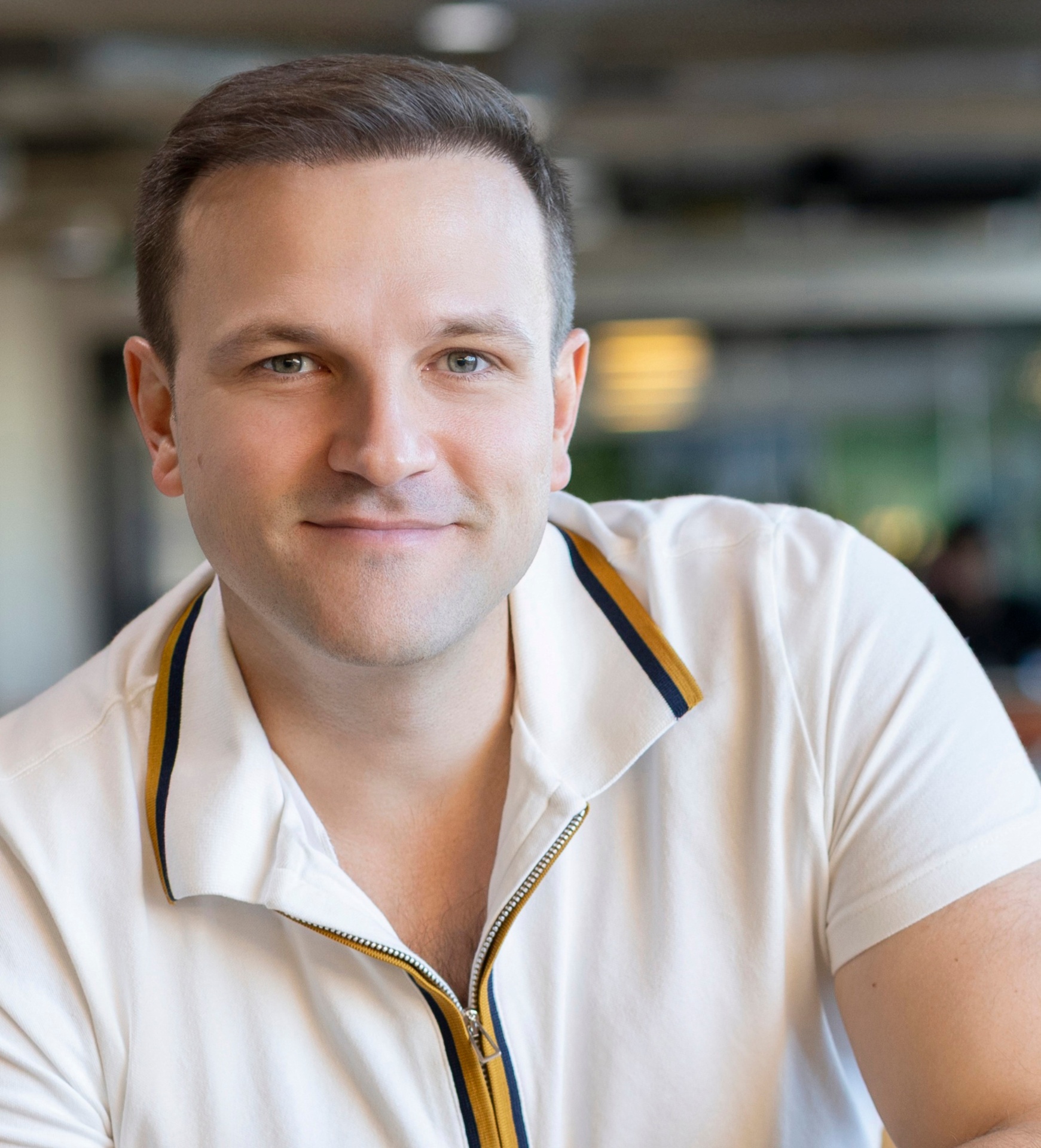
Nami Baral
Nami Baral
Founder & CEO · Niural

Nami Baral is the Founder and CEO of Niural, an all-in-one platform for modern US payroll, contractor management, and EOR. She is a repeat founder with deep experience building and scaling technology companies. Prior to Niural, Nami founded Harvest, an AI-powered fintech platform that helped consumers reduce debt, which she successfully sold to Acorns in 2020. Her startup journey also includes being an early team member at a company acquired by Twitter.

Questions answered in this episode

References & resources

Hosted by

Jason Kirby
Jason Kirby
Host · Founder, Thunder.vc

Podcast host, angel investor, and serial entrepreneur with 4× exits ranging from small businesses to VC-backed tech companies. Jason has been personally involved in over $100M in transactions and now helps founders close their next transaction at Thunder.vc, from pre-seed rounds to $100M exits. He coaches founders through their next major transaction and gets the deal done by introducing them to the right people in his network.

Apply to work with Jason

Full transcript

welcome to episode 28 of fundraising demystify today we have Nami baral founder and CEO of nurl a compliant payroll and contractor management platform for a global Workforce you've already raised 7 million after selling your previous company for a successful exit now let me shares what it's like starting her next company After exiting her previously VC backed company a company called Harvest an AI super agent that helped consumers reduce their debt she sold acorns in 2020 after raising 4 million in Venture Capital she explains the importance of understanding The Venture landscape and how to play the game to raise the capital from the right people she emphasizes the importance of finding a mentor that is just a few steps ahead of you but not too far so they understand what it's like in the early stages of building a company Nami has an incredible story and I'm so glad she got to share with us and if you're not already subscribed be sure to subscribe to our newsletter and our weekly release of this podcast by going to join. thunder. BC again that's joy. thunder. BC now onto the show hi everyone welcome back to fundraising demystified your host Jason Kirby and today we are hosting Nami baral with us the founder and CEO of neural thanks for joining us Nami thank you for having me Jason it's uh so great to be here no I'm excited to hear your story and and have the founders that are listening today kind of learn what you did to kind of raise 4 million for previous Venture that led to an exit and 7 million for your current Venture so if you can go ahead just kind of give us the background story you know how did you get started and you know where are you at today yeah yeah absolutely so I'm Nami I'm founder and CEO of neural uh neural is an all-in-one platform for modern us payroll and contractor Management in a in 150 plus countries so really you know the motivation behind being building neural is this is my third startup right the first one uh was as a non-founder but as an early member of the team in that startup we sold to Twitter in the early days of Twitter even before Twitter had its IPO so uh really interesting Journey there from you know being an early member of a startup to going through a really in acquisition with a really iconic company and going through the absent flows of everything that entailed right and then after uh spending several years at Twitter I decided to kind of get back into the building game again with my last startup which was Harvest Harvest was uh one of the original AI super agents that leveraged uh AI way before chat GPD uh we built our own uh we kind of built from scratch uh models to do um you know AI Le negotiations for American consumers with their financial institutions so that we could reduce their debt and improve their credit and just get them into a proper financial Wellness path so uh it was a very exciting use case of AI inant uh and uh you know uh really had a ton of uh fun building it as well as the product became really really popular and we really scaled up very very quickly and that led to a very successful exit in uh towards the end of 2020 uh when we uh sold the company to acorns and then once a Founder always a Founder right after selling the last company I was really looking at how you know how you can leverage all of the learnings from you know the things that I had built in the past to build a generational company in something uh that you know I think only repeat Founders can build things of this level of complexity and to me that was really um Global payroll and HR right like traditionally known to be a very boring and Antiquated industry not a lot of innovation happening kind of dominated by dinosaurs uh you know who had built uh had been built in a completely different era but the landscape of how uh modern Workforce Works has changed drastically yeah in the in the past 20 years and especially post pandemic right so I saw in the you know uh need it's a really strong need for a company to come which can help you know businesses of all shapes and sizes but especially growing companies midmarket and Enterprise uh with Enterprise level scalability reliability but the feature set that is needed uh that is very Nimble you have to be very Nimble to provide that kind of feature set for this ever evolving kind of state of the workforce right so if you think about uh what has happened to companies post pandemic right a lot of companies that were Enterprise companies used to have a global Workforce before but small to mid-market companies didn't really have a global Workforce pre- pandemic post pandemic that entire landscape has shifted even the smallest of companies could have employees in multiple States right and then they could have contractors in multiple States as well as multiple countries and as that Workforce grows you need you have the need to kind of shift them from contractor status to employees and then you have a lot of legal and uh legal compliance burden that you have to take care of now for Enterprises that problem has just grown like a h hundredfold right so they need to have presence in more countries they need to be able to understand the intricacies of international kind of money transfers crossb money transfers to be able to pay properly to their Global Workforce they need to align with local labor laws and misclassification risks things like that right so the need for an all-in-one platform that can handle all of these things without the company having to use six to 10 different tools and different vendors has become much greater and that is truly what neural solves right we replace many many tools and vendors that companies are using today with our all-in-one platform uh we have built our uh us payroll from scratch we have built International money movement tools from scratch bypassing all intermediaries and building net new payment infrastructure to be able to provide same day and realtime money movement across the globe so it has been really a labor of love in you know kind of building neural because uh building a peoll company is not just about peoll anymore right it's about financial technology it's about legal compliance and plus everything that is associated with per roll so I I never hesitate to say that we have built the most powerful pero and HR workforce management solution that exists in the market today and I'm very proud of it I can see why you raising money thank you you did a great job uh presenting the the case there and I could speak to the pain you know personally uh I've always I've never built a company without Talent abroad yeah and in particular a company we sold to Walmart uh back in 2018 our first couple hires were Russian Engineers like top tier amazing Engineers you know very affordable price when we sold to Walmart they're like you gotta fire them they're like crucial to like the entire technology what do you mean fire them we don't have a means to pay we don't have we can't have we can't pay people in Russia we have rules against that blah BL BL like and they ended up we ended up negotiating like deal doesn't happen unless you keep them yeah they end up paying two separate agencies yeah so like an agency in the US to then pay an agency in India to then pay an agency in Russia to then pay our our team yeah and we were we were only paying them like I think 40 Grand a year 50 Grand a year it ended up costing them close to about 120 Grand yes per per per you know per person and they were only and they were getting paid like three months later yes like because of all the net 30 I was just like it's atrocious yes yeah so we took care of them we got them taken care of but it was uh you know pretty just sad seeing that you know we were able to pay them through you know directly as a startup but we couldn't couldn't do that with the big company so hopefully you guys scale and you know continue to service the market and those problems no longer exist making it bu so yes absolutely we're doing that today like we serve companies of all sizes it was important for for me uh as I was building it out right like you know when you think about what you building especially as a repeat founder you think about what is the dent that you're going to make in the market and in the universe in general right and uh it is important uh to have this idea of building a generational company in your mind if you're building for Enterprise because if there's lots and lots of different complexities that are involved from the build from the very beginning if you're building something for let's say smbs you um you you could just like kind of get away with building an MVP just like you know iterating very very quickly and then just like and going with the flow right but to build anything for Enterprise level kind of infrastructure and architecture and reliability you're going to have to know that you're building for Enterprise from the very beginning right and you know that if you can build for 20,000 employees like supporting two employees supporting 20 employees is a breeze right so uh you know we have been very very conscious about how we build and how we structure the product for Enterprise from the get-go and that is something that I found uh you know not that many even very successful companies in the market today very highly valued companies uh startups in the per and HR space have not had that foresight or that attention to Enterprise level uh kind of support in the beginning most most people tend to kind of move up Market only after they have you know kind of gone through the SMB scale and all of that for us it has been very different we built it with Enterprise design Partners to begin with so we can support companies from two to like 50,000 comp you know employees today no I appreciate you sharing the more context there so let's kind of dump into the the fundraise yeah so you know you you came off as uh you know you started in the startup world you know as an early member to a startup that sold the Twitter I have all kind of questions about Twitter we we'll that we have time but for for you going into your your first independent venture as a Founder you know what was that Journey like on deciding when to make that leap what did you do in terms of timing of leaving Twitter and going and and doing this and then what was that Journey like when it came to to raising that $4 million yeah so you know it's it's always interesting when you have not had a lot of kind of exposure to the Venture Market uh to begin with if you were not in those positions uh you know uh if you were truly operational uh or like in when in operating Ro before there's a lot of kind of lessons to be learned in how to navigate the market when it comes to just understanding Venture and then like an understanding how investors work their mentality uh understanding you know just who is into what uh in terms of pieces and things like that right so initially I think uh as I came off of Twitter i' had you know obviously been in an operational role for a long time I you know around the time I left Twitter I was uh you know my team was uh responsible over more than a billion dollars of Revenue every year so that was what like you know kind of took my focus away right Revenue product Partnerships things like that i' never been in the fundraising game uh up until that time and then uh immediately after I uh I left Twitter uh obviously I wanted this to be a venture scale business so I got to you know kind of uh starting to leverage my network to have those initial conversations with investors and I think a lot I made the same mistake at that time that I think a lot of Founders knew Founders make today which is not really understanding the difference between the stages of investors right like you know oh you know you have a friend who has you know some sort of VC that you know they can connect you to like understanding what is series a versus pre seed versus seed right all three are early stages everybody is like okay you know we are an early stage investment form right you go to their website you see that but what a series a investor looks for is completely different from what a preced investor looks for right and uh you know initially I think it took a little bit of time for me to like you know really understand who is truly investing at What stages and what are the things that they're looking for right and then second there's a lot of focus on like you know just materials oh I'm going to build these like Financial models and I I want to you know really accurately forecast my future kind of revenue for the next 10 years and then I'll you kind of back Jack the valuation from there like you know kind of thinking like an investment banker at the time of like you know fundraising uh a lot of Founders do that I did that initially in the beginning uh but what I realized is at the initial stages right it is super important for you to truly understand what uh is the foundational problem that you are going to uh you know try to solve how are you going to uh you know really with a data driven method methodology going to Sol all those things initially with very little resources and uh you know just time in your hands right and then being able to communicate properly that vision and that thesis and how you're going to attract and hire and retain great talent when you don't have a lot of resources at your disposal I think those are the more critical pieces than you know plugging numbers into a final right especially at preed and Seed stage because nobody is going to really go row by row into your financial model that is not the most important important thing but how you tell a story how you talk about uh you know the future metrics that are going to be important for you how you are going to uh do go to market how are you going to monetize having a very comprehensive understanding of the metrics that you are going to face in your startup and having a story about how you'll succeed in this business despite uh the lack of resources as a startup I think that is the much more critical piece that I think Founders should work on and I think you're 100% right and I you're you're speaking from a place that you know now done exactly what was your position back then when you were doing it did you have to did you consult other successful Founders did you kind of fail a couple times and figure it out or did you just kind of get lucky like what what was that experience like uh at least for Harvest when you were first kind of going out for that that round yeah uh you know what was your strategy what did you learn what what didn't work that kind of stuff yes I think I mean getting lucky is you only get get lucky when you work hard right so you um you know you have enough conversations you build enough momentum you uh build uh the right relationships I think they start panning out after a while but um initially I think um you know the the community that I really got a lot of help from was other Founders right because once again you always want to have some sort of mentor who is at least one or two steps ahead of you not too far but um at least a couple of steps ahead of you so that they can tell you and uh you know help you with with the mistakes that you're about to make and like help you avoid them right so um after obviously uh beginning uh the the journey with Harvest initially the focus was really on getting the right team on board right so for that obviously uh you know really leveraging the network and making sure that I was there was there were people building the product while I was out there fundraising was super super super critical uh but then second I really leaned on you know kind of getting advice from this like you know kind of uh other Founders who were a couple of stages ahead of me and like you know really learning from their experiences and not being afraid to ask questions right like you know um making an entire investor list and you know going to them and saying like Okay truly is this person going to waste my time because they're not at the stage where they should be they will be investing right this is just a relationship building conversation versus a true you know um investment lead I think those are the kinds of things that other Founders can help you just filter quickly and help you kind of reduce the wasting of time you'll do from uh some of these non-important conversations well I have to do a quick plug for Thunder because that's exactly what our tools do is tell you who actually deploying Capital into what you're building at this given time and were you know scored you know in appropriate uh appropriately to that scale um so we do save Founders a lot of time in terms of going back and forth on figuring that out but uh so thanks for the opportunity to plug there but um all right you go and and did you raise four million all at once did you raise it over a period of time for Harvest you know um and I guess at what point in the business did you decide that now is the time to raise and what was that journey of raising yeah so I raised that over two rounds the first was a million uh preed and then uh the rest was a seed for for those $4 billion with Harvest and um I was out to do the the series a at the time um when we decided to actually you know go through the acquisition opportunity because the economics just you know was uh unbeatable but um you know the the initial thing is a lot of people once again do not understand the difference between preed and seed right or or series a so initially it's just like okay I'm going to raise $2 and A5 million dollar when you know uh like you know you have not built out anything or there are no proof points for you to be able to raise those things I think is like a mistake right if you are a firsttime Founder who is just out to raise and you were thinking about okay I'm going to need to kind of figure all of these different kinds of data points out to be able to truly take the next step in the business I think those are the things that you need to figure out at the preed stage so I always suggest like you know uh if you're raising before you have a product or you know before you have had some sort of Milestones figured out go for a pre-seed rather than a seed because you're going to have at least like you know a little bit of uh bandwidth to show the progress and show that momentum to investors after you raise that initial pre seat and then go to the seat round right do not try to raise a large sum of money from the get-go without you having something to show for it because then you'll have a lot of issues with like you know trying to find the lead and like you know going through a price round and just a lot of uh things that will waste you time uh for Harvest what happened was uh you know I initially started just doing like uh before I even did fundraising I you know leverage my network to get these investor conversations and I really kind of understood the market for like you know who are the right investors and who are the ones that we should be building relationships with right and I knew that I wanted to raise a preed so I really focused on just preed investors and preed investors you know obviously there are funds whose thesis is to invest at preed and Seed stages as well as really uh Amazing Angels out there who could actually help you get the network or open up a Network that has not previously existed for you before so focused on that during the preced stage and then um you know rais that preced round and from the momentum that had built from the preed round we actually converted that into the seed round several months later so I didn't really wait like you know the 18 months that everybody thinks is you know between all of these different stages you know fundraising is really a momentum game right like you have to leverage the momentum whenever it exists and as much as possible your job is to create momentum as a Founder right because as much as we like to think that VCS have you know they they always are like you know very rational or like you know um invest based on their like you kind of pure thesis or thinking alone a lot of it is driven by just pattern matching and and uh Collective her activity right they hear from somebody else that hears from somebody else that they are super excited about this particular founder or this particular startup that somebody else is you know leading the round and then there's this this F that is created and you have to be able to kind of Leverage that momentum whenever you are doing fundraising if there is no momentum then I don't think you can have a successful fundraise so try to create that momentum in whatever mechanism you can and so for you was it more about drumming up uh momentum in conversations or was it momentum in the business what uh there has to be momentum in the business for sure because I don't think unless uh once again right like you know when when Elon goes and you know says that he wants to start a new company there's going to be a billion dollars in the first round itself right but unless you have had like you know a lot of found a lot of investors who have back you before and you know you have these pre-built relationships in the industry uh everybody is going going to be looking at two things one how are you as a Founder do you do they believe in you your ability to really build this company to do future fundraises things like that so they're going to be looking at you and then the second thing they're going to be looking at is what have you done so far with the resources you have today you you need to be able to show obviously like you know the progress that you're making and uh that progress you have to make with or without fundraise right so the business has to have momentum in some way could be that you have done you know the you know certain kinds of experimentations and you know there is there uh there are certain I guess like good results that you've gotten from the experimentation and you need additional funds to kind of get to the next level of uh you know just scaling that scaling whatever you have found has worked have you signed a new partnership have you had a really interesting conversation and got into you know really generating your pipeline for certain kinds of you know sales processes is it that you have gotten into uh you know you have gotten external validation through you know maybe you got into YC maybe you got into Tech Stars like you know there are other kind of validating factors that have come into uh play right it's not one particular dot right it's how those dots form the line and you have to show that momentum in the business itself but then also um it doesn't happen in vacuum you have to continue to have these conversations with investors who can follow along your progress from the initial time they had a conversation so if if uh you know you met with an investor three months ago you meet that investor today they're going to ask you what has changed in the last three months you better have a really really good story about what you have been able to do in those last three months because then that gives them the confidence to really really back you as a Founder if you have done use those months and resources well did you know that most Founders waste days of their lives chasing the wrong investors well as a Founder you know your time is your most valuable resource don't waste it on the investors that aren't going to write you a check here at Thunder we built a free tool that identifies exactly which VCS are worth your time to pursue we score your company against 3500 VCS and family offices that have been vetted and are actively writing checks into companies like yours get your AI recommended list of investors that will look like this absolutely free by creating a free profile at thunder. BC you can upgrade to premium to download this list exported to any tool you wish and get their contact information and access the data on their portfolio companies to map out a path to warm intros and build your founder Network sign up for free at thunder. VC now let's get back to the show so you you kind of shared an amazing background in terms of you know what you did and what uh could work for other Founders but I would say what was what was like a mistake that you made in your fundraising process and we've been mostly talking about har Harvest at this point but you know you're welcome to talk about neural what were some mistakes that you made in the fundraising process that you you know looking back wish you could have done differently yeah um initially I definitely uh went and had conversations with uh investors who were in different stages than the one that would be investing at the stage like you know for example at at the time when I started the fundraise I at this point at now like looking back in height side I know that that was the preed stage but then at that time I didn't really know who was a true preed investor versus a seed investor versus a series a investor right so I just looked them up they would mention you know early stage investing so you just take conversations with Ser a investors that was like my number one mistake right like why have conversations with CA investors CSA investors look for completely different wild Stills than what you know preed investors look for so uh after doing that a few times uh you know and I talked about it with another founder mentor of mine and he was like you know what stop doing all of those things because they're not going to invest in a company that is your stage doesn't matter who you are doesn't matter how amazing or how excited they are about your company they're going to just you know kind of uh be interested in learning more about you and they're going to keep the relationship open they're not going to write a check right now right so then immediately just started focusing on figuring out who are the true preed investors out there right so precede VCS when have they invested what check sizes right like so uh you know 500k checks from a preed focused uh VC 100K checks from you know an angel right those are the ones that are going to be relevant for you at the preed stage right after realizing that mistake I you know obviously focused my efforts on having conversations with the right stage investors and that obviously led to a lot more conversions than I had previously no that's uh it's fantastic to hear and no you had an interesting situation you figured out the pre-seed game you built momentum for your business you got a seed round and then you have this Choice yeah you to grow and scale the business and raise a series a or sell and tell tell me in the audience about why you know what what was that kind of decision like what were you dealing with at that time with the business that you know ultimately LED you to to selling as opposed to to Growing yeah so you you know it's a it's a very interesting kind of uh moment uh in time that comes for a Founder where you have to decide between these two things right because uh you know you build a build a company with a lot of kind of just kind of Blood and Tears over a period of time you never want to sell that company but at the same time I think uh the opportunity that comes in front of a Founders especially if you're succeeding right I mean many Founders may not have options my uh the good thing that happened with me and harvest was I had a lot of options ahead of me we were uh very close to profitability we had grown our ER drastically especially during during the pandemic when most other companies were you know kind of uh you know kind of struggling at that time right but we uh were really uh had amazing growth at that time and then we didn't need the money to even go out and do a series Aries but then once again when you think about you know building Venture scale businesses you're like okay let me just fuel this growth more and since we were uh able to do it capital efficiently we were able to we're very very close to profitability as well we had 12 years of Runway at the time we sold right so because of all of those things like I had a lot of options ahead of me and I was not actively thinking about selling the company either right it came naturally as part of actually a series a conversation I'd I'd basically written to my investors that hey you know we have got really amazing metrics lined up I think it's the right time to go to a series a and I gave them a heads up that you know like let's start those conversations and one of the investors on my c table happened to be um the founder of acorns and he was like Hey you know before you do any of these conversations can you uh can we have a con can we have a call can we have a separate discussion one thing led to another and you know obviously everything made sense for everybody involved and that's when we just decided to really I think I was faced with that um choice of do I continue to build and uh you know uh do this for the next like you know five six years alone given that we have a lot of metrics to back this up and this can be an independent successful company of on its own versus partnering it up with somebody else obviously early liquidity and exit for the team and investors and like good economics for everybody involved but more importantly can we uh do this in a much shorter time frame than uh doing uh going at it alone right and so when while making that I guess like in a choice obviously the selling conversation became uh just a lot lot more kind of interesting and attractive so that's what kind of L to the sale that said the day I sold the company honestly like a flood of emotions right like you know you always it's it's not an easy choice to honestly sell a company especially when the company is doing well yeah and I'm I think it's really interesting for you to share that share that perspective and just kind of a lot of Founders dream of that moment but as you said it could be very emotional it could be very either concerning about what do you do next or you know very liberating uh after the fact or just confused because now you got so for you did was it a deal where you had to stay on and you stayed on for a while or was it kind of like a cash deal and you were out the door you know kind of what what happened you know after the exit for you and you know it seemed like you quickly turned around into your next yes um so it was uh it was a mixed deal there were a lot of incentives built in for me to uh you know kind of stay at the choir for some time and you know at that time at the time uh you know when I sold the company I thought that you know uh I had negotiated a really great uh kind of exit package as well you know typically you supposed to stay there for four or five years things like that I had a shorter uh window in which I had to uh you know stay at the acir but then I had every intent of staying there because I truly believed in the mission and value of the company and I really loved the executive team of the you know uh of the company that acquired Harvest um and so like you know once when when that happened I had every intention of staying there for the next at least two years but then um after I started you know kind of uh you know doing that for a couple of months so you know you have this like kind of building mentality that comes uh very strongly right and I was aching to build again because building uh products versus building a company are two different things right when you uh sell your company to to another larger company you're mostly building new products but not necessarily building a new company right and to me I was uh you know really thinking about I had a lot of different ideas in mind and I obviously wanted to make sure that my team and the product that we had built Harvest as you know longevity and finds a home uh a proper home at the at the new company and then that the new company is successful but then at the same time like there were so many things that were going on in my head about like okay do I truly enjoy what I'm doing today versus uh you know do I go out and build and you know the the going out and building another company uh starting all over again is that was just such a strong force that even those two years I didn't stay there for the full two years I was like you know a year was done and I was like you know what I got to go and build this other thing because I was literally waking up all night thinking about this new product and like you know was getting really really passionate about building new role and uh you know why waste time right everything is an opportunity cost at the end of the day yeah I think it's a it's a challenge for Founders gonna stay put POS that position I was uh guilty of that when uh Walmart acquired us they I was really excited about the opportunity you lived and breed it thought it was going to be amazing and then they shifted directions and basically shut us down which was just heart crushing you just crush your soul uh you know situation um but quickly got back into it and started building a new company with uh you know some people and it was just gave such a greater sense of purpose than you know kind of sitting around and being another coog in the wheel could have B me great it would have been great safe reliable income but I was just no I got to got to get back into it so I can totally uh relate to you on that front so now you know you you decided to to leave acorns at this point you know leave your your baby behind and start a new baby tell us about that journey and it kind of gave us some insights of the timing of kind of when you conceptualize to when you kind of made the decision to leave acorns and and when you raised money and at what point so uh I mean the idea behind neural uh i' had been thinking about this for a long time like even before I started harmness because uh you know once again you know as a Founder there's so many things that you think that you can you know really uh build things to change and you're excited about a lot of different things you're passionate about a lot of different things so this idea had been uh something that I was excited about from a while ago but uh you know at that time I chose to build uh you know build an AI uh and and with uh you know with that negotiations idea in mind rather than focusing on P and HR but it had been kind of building up in terms of uh the the relationships that I'd built over the years and like you know the thought had evolved in my head about like you know how I truly built a generational p and HR company right like it's crazy when you think about like how can people be so excited about p and HR I'm one of those really weird people who gets excited about p and each because I really like you know kind of building things that can reduce complexity building complex products while kind of abstracting away the complexity right so it was something that I was thinking all the time and and when when I felt uh when after I had sold Harvest I felt like I should truly truly be working on neural and not wasting time on other things right so it like it happened slowly and then it happened suddenly there were a moment there there was a moment uh you know almost around like the the year year mark after I sold the company that I was like you know what I've already spent a year I sold my company a year ago there is a lot of reflection you do and then like you know suddenly you feel this like a very very strong desired is like you know what time for a change right so that's what happened uh in terms of how the the decision to now begin begin working on neural full-time versus just it being something that I work on the side right now thinking about fundraising for neuru was a completely different process than uh you know how I was doing fundraising for Harvest the good thing about being a repeat founder is that there you have already had investors who have backed you and they've made money and you have you know obviously especially after a successful kind of exit event liquidity event uh you know investors want to support you and you know want to back you again right so it was a much easier conversation this time around because not just from the investors who had backed me before but a lot of other investors had also seen you know that what I had built with Harvest I had that you kind of existing Network a lot of people who wanted to back me put money into my next venture so uh from the day I sold uh Harvest I had been getting all of these investors reaching out to me my own investors from from the past were asking me when I was going to start a new thing because they know Founders right they knew that I'd be starting something soon and then uh other other investors that i' had not worked with before but had relationships with had also you know kind of just been following up and whatnot so it was a much much much faster process in in terms of raising with neural because I had a lot of that background already built and there was not a lot of kind of proof points I had to provide um so I could raise a large round very very quickly like you know the the round for neural came together in like less than two weeks it was super easy this time around yeah now that's the thing is you know two weeks you know it's like a dream come true for so many Founders but it's a reality for for the repeat you know Founders that have had success I've had an exit it and as long as you're working on something interesting and big enough it becomes a much easier check for for VCS or investors to write because historically BP Founders are more likely to succeed so um probability Wise It's a smarter bet from an investor perspective and you know at this point what did you raise the full seven million uh in that two weeks or did you go out and and raise different tranches I raised five in the in those first two weeks and then there was still a lot of momentum that was uh kind of built up from that Tre so I ra additional amount after gotcha in the same terms or did you change terms obviously change terms yeah you know more progress more momentum uh different terms right like no that's the thing you found should know I think there when you have momentum and people are like I wish I could have got in you know what you know what can I do it's it's a very good problem to have and you know the market uh that we're currently in where it's a little ambiguous as to what what future holds for us I think more cash on hand is always a better choice yes yeah at this point with with nuro were you guys already ra you were you already generating Revenue at this point or were you you know pretty pretty early oh no uh we raised uh our first round like you know before we even had a product so like it was a truly like you know I think you know a true case of investor backing Founders and the team rather than really thinking about what product they're going to build because of their faith in the founder and the founding team and that's you know uh I'm so glad we got up to this point where we have to go through your whole history then you know this is what people need to realize a lot of Founders oh how do they just raise money overnight like well because they put in the hard work delivery result already yeah I mean they have the investors have known me for the last five years to be able to invest uh in in neural in like a split second right like you know I think that is the the more important piece once again it's a it's it's not a DOT it's a line they saw the trend line that I was able to create for them it's a good way to put it it's like yeah if you're a first-time founder like you you just got your One Dot you don't know where that dot really in yeah whereas you know you kind of built that trajectory so it's a lot easier to to bet on so I know we we spent a lot of time talking about the fundrais of history and I'm really excited about that but like God we can't can't ignore the Twitter drama you just here you know just like what's your take on it you don't have to give me the whole you know history or anything but just like you know what was your experience like when you were there and kind of what's your take on it now that Twitter is X yeah so you know Twitter has never been out of drama right it's just that I think after Elon came everybody was more fixated on Twitter's drama than uh than the rest because there was you know this like celebrity who has now come and you know is kind of getting all of the attention um you know Twitter is a really really iconic company and I think it has it is such a unique company it's not truly like you know a social media platform just like you know Facebook or Instagram like it's slightly different because it's truly a Public Square right and um you know initially Twitter when in in the early days especially when uh we had the IPO and around that time it was very very close to that thesis and that mission over time once again you know became a public company focused on different things the world's like you know kind of political Dynamics were very different at that time and I think it fell into something you know that show of dis disillusionment uh that most companies go through right like I feel like that is uh something that also happened to Twitter and there was a lot of stagnation like I personally could feel it and that's one of the reasons left Twitter because I felt like I was not that excited about kind of furthering the Twitter Mission anymore and I wanted to build something of my own and I just didn't feel very intellectually simulated at Twitter after after a while right and uh you know a lot of people stayed there uh you know obviously uh even after I left and everything but I could feel you know when Elon came in and like you know he was bringing into issues bringing to light all of these different issues that were happening at Twitter I was like oh I'm not surprised like I'm glad that some somebody is kind of doing something about it and try truly trying to revive Twitter to like kind of its early kind of thesis of what it could be right versus just like a feeling social media company right so it was it was very exciting to see but then once again you know Elon is interesting and eccentric in his methods I think some of his methods are interesting and some of his methods may not be that interesting or uh you know obviously depends on how you hold things up to a quot of public public opinion based on who you are but I do think that the changes that has uh happened to Twitter um that many of the changes that he's doing are changes that should have happened a long time ago and I think these are in general net new positive changes he's also bringing a lot of attention to Twitter right like you know there's just a lot more activity to Twitter just because it is Elon you know he is definitely a very unique eccentric guy so uh he it's it's always going to have his quirks and depends on how you deal with it I guess I'm I'm in your I'm in your Camp I completely agree and I appreciate you sharing that that story and that insight and Nam it was amazing you having me on the show where where can Founders find out more about you and nural yes uh so you know you can reach out to me at Nami at neal.com neal.com ni.com once again your all-in-one platform for modern uh uspal contractor management e in 150 plus countries we you know you know obviously as as a found myself we love Founders would love to you know just assist more Founders as they scale up their businesses as well so uh write to me if you you know come to neural or if you sign up for neural write to me and I'm sure we can uh give you some friends and family discount if you come from this podcast so uh neal.com NIU or.com awesome well we'll make sure to include those notes in the the show notes and I really appreciate you joining us today thanks for listening to the show today we hope you learned something valuable and if you did be sure to let us know in the comments or by hitting that like button and if you're a Founder looking to raise Capital then join us at thunder. VC we provide a free tool to help you identify which VC family offices or lenders are the best fit for you using RI it will save you a ton of time from chasing the wrong investors and since launching our free tools Founders that have joined our Network have gone on to raise over1 billion in financing again you can find these free tools at thunder. VC and as a reminder we release new episodes every week so stay informed by subscribing to our newsletter at join. thunder. BC again that's join. thunder. BC and if you or someone you know has recently raised around and want to share your story please email me at Jason thunder. VC and that's our show we hope you enjoyed it and we see you next week