← All episodes
Aug 31, 202343mEpisode 13

How do you manufacture hype and FOMO to raise $15M?

The short answer

Michael Houck shares the tactical playbook he used to manufacture hype and raise over $15M from investors like a16z for Launch House, using a tiered valuation strategy that 4x’d in just six weeks. He also breaks down how he recovered from a major PR crisis, pivoting to a solo newsletter business that scaled from zero to $50k in monthly revenue in five months.

Market Context

What 2026 exits actually pay for SaaS

Miro had $600M ARR and 250,000 enterprise customers. They sold for $1.79B — roughly 3x revenue. Their 2021 investors took a 90% haircut on their mark. This is the current market clearing price for quality horizontal SaaS. If you are building toward an exit, you need to know which multiple category your business belongs in — before your board does that math for you.

Highlights

  • Self-funded the LA launch by putting over $200k of personal capital on the line to rent a house for 3 months.
  • Structured the $3M seed round in tranches, giving lead investor Balaji Srinivasan a $5M cap vs. the final $20M cap.
  • Gave their first investor a 4x paper return in 6 weeks to create FOMO and build momentum for the rest of the round.
  • Launched a $3,000/year subscription product between seed and Series A to generate recurring revenue.
  • Raised a $12M Series A led by a16z, with Andrew Chen following the company from its first 100 followers on Twitter.
  • Pivoted to a solo newsletter business, scaling from zero to $50k in monthly revenue in 5 months.

The full breakdown

Michael Houck, co-founder of Launch House, started his journey with no Silicon Valley connections, eventually raising over $15M in venture capital. The initial momentum came from a unique concept during the COVID-19 pandemic: a co-living house for founders in Tulum. Houck explains, “We kind of zigged when everyone else was zagging.” This generated significant organic press from outlets like The New York Times and TechCrunch. Capitalizing on this hype, the founders self-funded the next stage by putting “over 200k of our own money just on the line” to rent a house in Los Angeles for three months, building a community of over 100 founders before seeking outside capital. For their 2021 seed round, Launch House employed a strategic, tiered fundraising process to manufacture FOMO. They secured Balaji Srinivasan as their first investor at a favorable valuation. Houck reveals, “Balaji was our first believer. So we gave him… a $5 million cap and the end of the round was at 20… six weeks, seven weeks later.” This 4x paper return for their lead investor created immense signaling power, allowing them to close a $3M seed round quickly. This tactic demonstrates how founders can leverage a high-signal lead to build momentum and drive up valuation for the rest of the round. Between the seed and Series A, Launch House focused on building a multi-faceted business model. They expanded to New York, launched a subscription product with a $3,000 annual fee that generated significant ARR, and structured a $7M venture fund. Uniquely, “the majority of the carry from the fund, funnels back into the Launch House Inc. entity.” This combination of short-term subscription revenue and long-term fund economics attracted top-tier investors. The momentum led to a $12M Series A round led by Andrew Chen at a16z, who was drawn to their vision to “disrupt Y Combinator.” Despite raising a total of $15M in equity and a $7M fund, Launch House faced a major PR crisis in late 2022. Houck decided to leave the company, stating, “in my opinion, the brand was not recoverable, so decided to move on.” His investors remained supportive and did not ask for capital to be returned. After the crisis, Houck pivoted to a new venture, leveraging the personal brand he had built. He launched a founder-focused newsletter that grew from zero to “about 50K a month in revenue” in just five months, demonstrating a powerful alternative to the traditional VC path by building a cash-flowing media asset.

Who's on this episode

Michael Houck
Michael Houck
Founder · Houck News / Megaphone

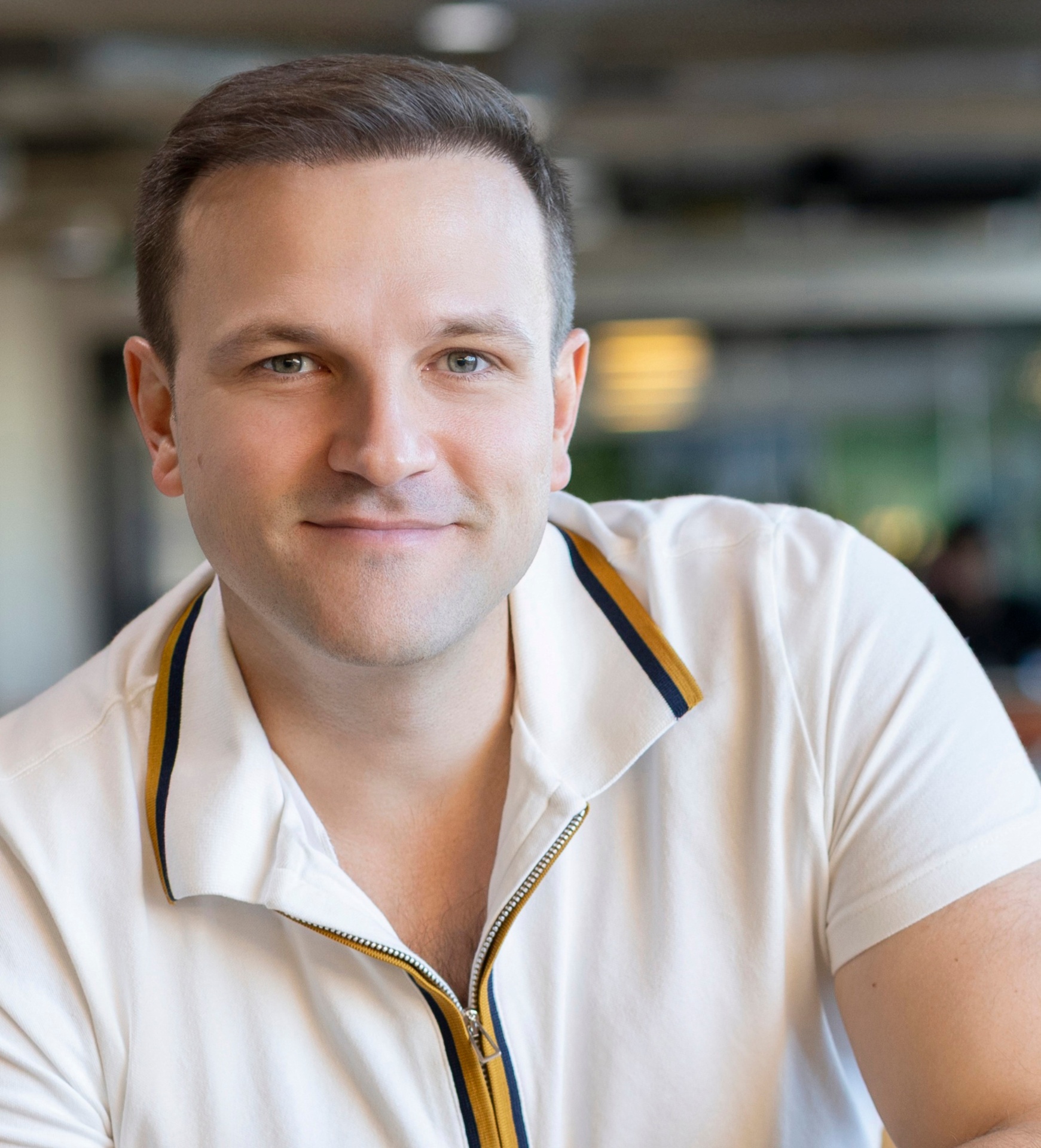
Michael Houck is the founder of Houck News, a newsletter for founders, and Megaphone, a network for creators. He previously co-founded Launch House, a community and venture firm for early-stage entrepreneurs. At Launch House, he scaled the company to a $12M Series A financing led by Andreessen Horowitz (a16z) and helped launch a $7M venture fund. Before his entrepreneurial journey, Michael was a product manager at Airbnb, where he helped build Airbnb Plus, and held various roles at Uber Eats, contributing to its early growth.

Questions answered in this episode

References & resources

Hosted by

Jason Kirby
Jason Kirby
Host · Founder, Thunder.vc

Podcast host, angel investor, and serial entrepreneur with 4× exits ranging from small businesses to VC-backed tech companies. Jason has been personally involved in over $100M in transactions and now helps founders close their next transaction at Thunder.vc, from pre-seed rounds to $100M exits. He coaches founders through their next major transaction and gets the deal done by introducing them to the right people in his network.

Apply to work with Jason

Full transcript

I started my journey in basically with no Connections in Silicon Valley whatsoever we got a lot of attention very quickly because we kind of zigged when everyone else with Z New York Times read about us Tech crunch read about us and we started having people asking us if they I ha these were greed but like a lot of Founders are just like oh like we need a raise at you know 10 million 20 million that was really the biggest thing that changed but I think that there's a lot unsaid about the situation it made sense to like take a shot at that at building a very nice cash flowing asset for myself welcome to episode 12 of fundraising demystified the podcast where we uncover The Untold Stories of startup Founders who have raised Capital to bring their Visions to life join me Jason Kirby as I interview these Founders and dive into the Hidden Truths of how they got funded today on episode 12 we have Michael Hal joining us the former CEO and founder of launch house that raised 22 million from investors like a16z we dive into how how he built his investor network from scratch navigated a difficult public PR crisis and leveraged his audience launch his next venture starting with just a newsletter let's go ahead and get started hey everyone thanks for joining us um your host Jason Kirby uh fundraising demystify today we have Michael ha on with us today hey man hey thanks for joining us um I'm a member of your community I was a member of your previous community at lunch house I'm so to have you on the show and just learn about your journey of raising capital from a16z at LOD house what happened there and and your overall founder Journey overall so I would love for you just to kind of give some background uh to the audience a little bit about you and kind of how you started your entrepreneurial journey and then we'll we'll go from there yeah absolutely super stoked to to be on here thanks for thanks for having me um I think uh you know for me I started my journey in basically with no connections and so Valley whatsoever uh grew up on the east coast of Philadelphia ended up working at a small startup as an engineer uh and then sort of cold emailed my way into a role pretty early on at Uber Eats helped grow that business all part of that you know big story um did everything from operations to data science to Building Products uh then jumped over to Airbnb where I was a product manager for a year and a half help build airb plus uh after I got laid off during coid um because our product was about going in person to people's homes you couldn't do that during Co um I started launch house basically I had been looking to be around other people during the height of the pandemic and rather than quarantining my apartment I booked a co- living house in Tulum and convinced somehow uh 18 other uh early stage Explorer Founders uh to come uh live with me for a month and it ended up becoming this incredible journey over the course of almost 3 years um where we went on race 16z and we raised a venture fund and you know did all this incredible stuff um and uh and yeah that's kind of how I got into it in the first place just look oh just raise some money ra F no big deal um like I definitely want to start there uh you know I know where you're at right now with your your community but you know as far as what this podcast is all about is kind of sharing those insights it sounds like you did not come from you know kind of a a well-connected Silicon Valley family or network or school and you kind of forced your way in there by you know kind of building relationships cold and and going from there but uh so that going let's start with tulou so you you established this kind of entrepreneurial co-living environment which you know I'm no stranger too I've seen those you know when I was kind of early in my entrepreneurial career and found them to be super valuable I still have a lot of friends doing those types of things especially single no kids uh makes it little easier um yeah let's kind of talk about okay you you established something interesting in Tulum now what's the birth of launch house and the capital raise and what was that Journey Through the subsequential raises yeah I mean launch house wasn't even supposed to be a company when we started it right my what who became my co-founder and I were working on a totally separate idea um and we were going to build it together at launch house and launch house was supposed to be an experiment for one month we bring people together um but when we got down there I think people were really interested in what we were doing because everyone else was you know again quarantining at their homes at the time and we were down there living in Tulum with a group of Founders making content posting on Instagram and and Twitter um and so it naturally got a lot of attention um New York Times wrote about us Tech crunch wrote about us um and we started having people asking us if they were going to join and when the next house was and you know if we were know incubating companies and all this stuff and um at that point realized the momentum for this idea of like a new type of institution a new type of community for Founders in this like remote work friendly world was um was an opportunity that had a lot of momentum behind it and so we just followed that and we abandoned what we've been working on before um brought on a third co-founder as well um and just uh just went all in on it uh within the next few months we ran a second house in Tulum um where we ran like an actual application process and then uh came to La rented uh a house that the previous tenant had been Paris Hilton uh for 3 months we put over 200k have our own money just on the line uh to rent that house for the 3 months H we didn't really have a plan we were just like we're going to fill it up with Founders we're going to fill it up with Incredible people that we know and help them build things and we're going to see what happens with it and try to make our money back um and so that's that's kind of how it got started so you know for for Founders I deal with a lot of Founders and they always kind of Wonder like how how' a company just magically raise money overnight and and what I'm hearing though is you had a lot of moment mum going for you and a lot of attention it sounds like probably from just a unique concept and a very desperate time for for people that you know were hungry for human connection and engagement uh in addition to your target audience also as your Target funders and you know capital allocators and things of that sort so I guess you know you put 200k of your own money on the line you know bold move um what happened after that and like what were some of the the metrics you hit with Lodge house with the parisyan house to you know eventually raising Capital yeah I mean to get it one thing you you said there you know we got a lot of attention very quickly because we kind of zigged when everyone else was zagging right people were just naturally interested in what we were doing um so the momentum organically and we lead into it right we cultivated the hype we cultivated the attention because we knew if launch house was going to succeed it needed to needed to have that cool Factor needed to have that that idea of like a a new take on an old idea right the old Hacker House um the old idea of Silicon Valley being just in paloalto and then just in San Francisco now it could be anywhere that idea that concept Could Happen anywhere um so we needed to build something for that um we got to La we started bringing people into the house I probably interviewed you know two or three hundred people in that December before we kicked things off in January and um yeah we ran it for three months we lived there during those three months uh I was there off and on cuz I'm based in New York but my co-founders were there uh full-time um and uh basically at the end of those three months we had brought about 100 people together into this community they' paid us for this experience um and I should not we had actually tried to raise money before that a little bit or at least we' considered it uh this was back after we did the Tulum house before we went to LA we were trying to see how to fund the LA experience and before we decided to do it ourselves we explored like hey do we have enough to get anyone interested right and the answer was like definitively no because we just run these two houses and that was basically it um we talked with one person who wanted to take you know a lot of the company for a very little amount of money and just didn't make sense for us so um at that point we put our money on the line at the end of these months um we had started to get more attention the calber of people was only going up who was joining and uh we kicked off a proper process uh at that point and and was that your seed round that you guys were raising at that time yeah I I mean it's sort of like I guess it was in between like a pre-seed and a traditional seed right as a $3 million round um which I mean these days you could probably get away with as a seed but back in you know this is 2021 uh different times um so we called to the seed we you know we self-funded the preed basically um and then this was our seed um and it it you know we brought in a couple High signal people early on and then use that to build momentum for the round and close the rest of it pretty quickly happy to talk more about that yeah I know let's talk about like kind of what the Lessons Learned what' you guys do what made your Capital raise unique uh gr is like you know hot times lots of lots of froth but you know there still could be some some valuable lessons could be applied today so great free to share those yeah I mean we knew that you know the idea was um you know we had even launched our subscription product yet right and so it was just one time fees people were paying to join this community um and so we knew we needed High signal folks in early and you know thankfully between U my myself and my two co-founders we built up a decent Network the last few years uh previously in in in SF and so um our first semester was actually biology and um we were able to like talk about how launch house could become like a network state right like a future city of Builders creating the incredible things powering the future um and we were excited about that idea he was excited about it so he was actually our first check in once we had him involved we were able to basically talk about how it was going to be this big thing and balgi was interested uh he put money in and other investors got interested at that point too uh we we did trunch our round um so we you know balii was our first believer so we gave him um uh we had him come in at a $5 million cap and the end of the round was at at 20 uh and was like two months or six weeks uh six weeks later six weeks seven weeks later so you got a pretty you got a pretty sweet deal Forex uh you know paper return you know yeah yeah pretty pretty good paper return for sure um but I mean you know when you believe in someone early I think it's I think it's worth uh worth giving folks a discount especially when they're um especially when they bring a lot to the to the table like he did so that is something I want to like unpack a little bit and I feel a lot of Founders they kind of get this mindset especially I think it's you know some Founders coming a little bit more Down to Earth but I see some like I hate these were greed but like a lot of Founders are just like oh like we need a raise at you know 10 million 20 million they're like still too early to justify that but you know when you're raising money you you want your investors to make money you know you want them to be along on the journey you want them to support you you want them bragging that they have a Forex return in in six weeks yep and um you know I think that's something that a lot of founders don't really realize it get so hung up on valuation delution it's like well you're not going to get anywhere without an army of support and uh excitement so you you don't have to give away the farm like you obviously turn down previous invester um you know when the terms didn't make sense and um but when you got someone that can move the needle for you and or can create fomo or credibility into your deal it's not unreasonable to to sweeten the terms you know for them yeah and he I mean he pushed our thinking too in some of those early conversations and made us think even bigger about the idea so he brought a lot to the to the table for sure um yeah and you kind of gave the the bigger Vision I actually never heard that Vision before and it makes a lot of sense now when you know raising capital from say the a6z of the world that takes that broader Vision where anyone looking outside and not really knowing what's going on in those investor meetings would be like it's a co- living house you is this a is this another you know Adam Newman you know type you know real estate you know turn Tech you know type play but it's you know you're you're essentially behind the scenes selling a much much bigger Vision uh that you know and that's more in lines with what the top one you know top you know tier one firms want to see is is practical as maybe your business might be that practical is not what they're looking for they're looking for what could be the moonshot and are you the people to to back up that front yeah 100% the the big market and being the right people to tackle it is definitely what what folks are looking for especially in those early like the pre seed or seed stage um so we we felt that we were very fortunate that that you know the way we were approaching it resonated with with some great folks um and uh and yeah that continued as we as we grew I think the you know the value prop got more clear as we went towards the a uh the a was you know later that year um and at that point we had sort of solidified oh we're going to raise a fund and this is going to be structured in a very very unique way where exposure to launch house also gets you exposure to the fund um and that got inv he was like super excited yeah so wer what you what' you raise in the uh the seed uh yeah so the seed was three three three million little bit over yeah so three million and then um what did you do between closing the seed and you know kind of uh raising the a what what kind of gave you the momentum what kind of metrics were you you know sharing and and hitting yeah so um when we closed the seed um we were just in LA and we had just run you know at that point five corts three in La two in Tulum um and between then what we did is we expanded to New York so we opened a place in Chelsea in New York started running experiences out of there um and also launch our subscription product that was really the biggest the biggest thing that um that changed we started having AR come in it grew really quickly uh just by running these cohorts um we were able to bring in a decent amount we're charging $3,000 a year for our membership on top of the onetime fee to be part of the um the co- living experience um and so we had a lot of Revenue coming in very quickly um and you I think that was exciting we also then formulated plans to uh raise the Venture fund at the uh beginning of 2022 um so looking ahead a little bit um and the way that was structured was that the fund actually the majority of the carry from the fund funnels back into uh like the launch house Inc entity um with my you know my fellow GPS not getting like a small slice of it but the vast majority going to um to launch house um so that you know when you think about like long-term or short-term Revenue we we're crushing it on short-term revenue from from this co- living experience we running on top of it and the potential for long-term Revenue if we were able to continually attract top tier Founders which we had a good early track record of because of The Branding that we built um the potential was just was pretty clear both in the short term and long term and what were like what kind of checks were you planning on writing and how big of a fund did you raise yeah so uh the fund uh the fund ended up being about 7 million a little over seven um and we uh we started out writing 100K checks we ended up dropping that down to uh like usually 25 or 50k checks um we just changed our strategy between wanting to uh own more the company versus wanting to take more shuns on W gotcha um and did that coincide with the series a was that separate of the series a it was it was soon after the series a it was around the time we announced the series a we had we had started racing the fund at that point gotcha and uh so tell us about the a how did the how what was the strategy to go to market was it already kind of pretty pretty easy like you already had turn sheets coming your way like what was it what was the a like we actually weren't planning to raise the a when we did uh we had a plan to wait um a few more months before we even considered it honestly but we built such a strong connection with Andrew Andrew Chan at a16z he um he was one of our first like hundred followers on Twitter back when we were in Tulum he had been following the project quite a while um and uh after being in La for about six months we know connected with him more closely and um brought him out to the house to do a fireside chat meet the community members um and you know the energy in the house was just very excited for it he was super excited and you know he left left basically just jazzed on the vision of where we were going and also what we were currently building um you know we were trying to you know disrup white combinator we're trying to create like a new type of accelerator Community for Founders um so I think that Vision was was super exciting especially based outside of San Francisco where we could prove out that you know this can be done you know anywhere well s so how much did you guys into Brazing in the in the a uh it was about 12 uh in total 10 of which came from A6 gotcha so around 15 million in equity financing for launch house plus the 7 million you know for the fund so some some sizable numbers you know in a very short period of time I remember you when all this is going down there there was a lot of excitement about you guys there was a lot of you press news and you guys were crushing it on content uh I actually read your newsletters when they came out um and so there there's an incredible execution on community and um and content so uh you know obviously giving you guys credibility to to grow and and continue down that path but yeah I kind of want to call out the elephant in the room you know La house doesn't exist anymore uh outside of maybe like a just the newsletter um what happened man yeah so technically launch house does exist Brett is uh Brett my co-founder is uh pivoting the company to work on something new got I left in December you know we had a big PR crisis situation uh last September ironically right after I launched my own newsletter which was meant to be a side project for launch house originally um and uh you know had a tough a tough couple months um working through that our investors were super supportive in the trenches with us really fantastic to you know have their support and work with them um you know I I don't want to talk too much about it but I think that there's a lot unsaid about the situation um that you know no matter how many folks Will Go On The Record in your defense if the Press gets something they want to talk about they're going to write about it there's nothing you can really do about it um so uh we we got through those tough couple months reached December of 2022 and you know basically I saw that in my opinion the brand was not recoverable so decided to move on um I actually took a couple months basically off and went to Cape Town for the winter um just to enjoy some time after a couple years of grinding uh Brett continued to work on the company um ended up uh shutting things down in March so 3 months later um very amicable I was still involved still advising still part of the fund at that time um and then um yeah basically when I got back from Cape Town decided to go all in on the newsletter because it had been growing so crazy uh on its yeah know I know think you're at like 45,000 50,000 followers or you subscribers on there so it's you pretty impressive it um you know and looking back and I know there's certain things that can and cannot be you know said about you uh the lunch house situation but it's good to hear that they're they're still you know operating I still get the newsletter which you know I thought was kind of confusing after you know obviously reading the um what reporters were publishing online and you know I'm not entirely sure as far as what what was real what wasn't what was you know what not but uh ultimately sounded like uh you launch house wasn't necessarily your future anymore and you decided to to kind of part ways and um leverage basically what we're talking about before like you built an incredibly strong community and and now you're kind of doing it but in a very different way so let's kind of transition here from super high growth wildly popular VC back company to now running uh an independent you know self-funded uh you know Community you know how did you come about going down this path uh and kind of why yeah again super accidental ironically similar to The Accidental you know birth of launch house I'll say um for the newsletter I started as a side project back uh last September um kept it going um through my time off over the winter and basically it was just meant to be advice for Founders right like every week I'll answer a question that'll help Founders um you know move faster grow faster make the right decisions about fun raising whatever it might be um and so I started that then it was meant to be a side project basically get attention to launch house more content marketing something we were very good at um but yeah kept it going and went full-time on it when I got back uh basically when I was in Cape Town I had seen it continue to grow and I talked to a bunch of my friends guys like saho Bloom Lenny ritky who have built these big businesses that started as a newsletter these big like solo totally cell phone business buiness is um and I think due to a you know having the relationships that I did uh now because of launch house and also just because of the audience that I'd you know been able to start to build up over the past few years uh it made sense to like take a shot at that at building a very nice cash flowing asset for myself you know I worked at Uber where the sock did not pop at IPO and then I worked at Airbnb but only for a short time a year and a half um and uh and then launch house didn't have the you know Financial outcome at least that we were we were hoping for so um for me having a nice cash flowing asset that I can build for the next five or 10 years grind in this initial stage and then uh hopefully continue to grow it from there um seemed very appealing so uh that's what I've been starting to set up um we're doing about 50k a month in Revenue now from it uh after basically zero uh I started going full-time in March um and uh just looking to continue to grow that grow the community uh I you know I'm basically using the same mission of helping Founders All Around the World that I inspired me to build launch house and um taking it to this uh this New Media no it's uh that's phenomenal and I do I do want to Sor I'm you know go back to to launch house real quick like you guys raised a large sum of capital you moved on there's still you know looks like life in the company as they're pivoting behind something but as far as capital was Capital return back to investors at any point or any what's the status of the fund yeah so we've been we were super fortunate that our investors backed us you know time and time again again um and uh did not ask to to return Capital um so the company still has um still has capital in it that's what it was being used to kind of take it in this new Direction the fund is still active um still investing for me when I got back and decided to work on the newsletter full-time I didn't want to be split my attention between different things so I decided to resign from the fund and just focus on what I'm doing now uh but it's still active uh my you know former partners are are still working on it uh still making Investments and and you know would totally recommend Founders to to work with them gotta that's great to hear um so launching a community going from zero to 50K a month in Revenue you know when it what five months four months uh is pretty massive and how did you kind of seed the the launch of this how did you get from zero subscribers to 50,000 subscribers looks like you're monetizing Buck a buck a buck month per subscriber not bad for uh for a newsletter um and so kind of walk me through what what did you what would you Leverage What kind of tools resources list how did you go about growing this yeah I mean you know having a social media following definitely helps right my folling isn't huge but it's it's enough to get started I had um I think when I started going full-time I had like 20 something thousand on Twitter and and 20 something thousand on LinkedIn uh now it's a little bit bigger than that uh but having that was was huge because not only did that let me put out content that would drive subscribers in but also it let me uh very clearly be able to like DM people and collaborate with them and um you know recommend each other's newsletters or hype up each other's threads and things like that that happen a lot um in the DMS or in the WhatsApp groups or or whatever um so that helped a lot um for me content marketing has always just been something that I've I've leaned on and that was true here uh the dirty seeker of the newsletter World though is that like of all the big newsletters like the million plus subscriber newsletters they all get 90% of their subscribers from ads like paid ads right so Facebook Instagram uh Twitter more recently uh the ad platform has definitely improved um and then uh some people do Tik Tok I don't do Tik Tok but um that's where a ton of growth has come from uh you can acquire newslet subscribers for you know well under $2 if you're creative is on point and your audience targeting is on point so I just invested some initial Capital to to do that um but in the early days it was much more about content marketing and uh like recommendations and swaps with other newsletter creators because I didn't want to invest too much before I kind of knew that this thing actually had legs no that's fair and um you know look at those you know CA LTV to CAC you know numbers of if a subscribers earning you a dollar a month I guess sponsorships activations Affiliates whatever it might be you're making 12 bucks a year and it's costing you $2 you know six to1 ratio is uh but any SAS founder would love to you know brag about those numbers raising Capital but the beauty of your businesses doesn't necess need Capital to to raise uh yeah I don't I don't think he'd be able to raise Capital if I went for it also it's not like something I'm super interested in for this business in particular um yeah you know and something you know what could be useful to Founders listening to this and something would kind of unpack a little bit is the importance of building a brand and in this case a personal brand that can go with you you know you kind of built launch house um your brand but it coincided with your personal brand allowing you to once you kind of made the move you separate yourself from from launch house it's not like you can go and download that list it's not you know IP that you have uh you know to do anything you had to start from scratch but because you had your own brand you were able to kind of Kickstart something relatively quickly right and um it'd be curious for you to kind of share any tips or recommendations for Founders that you know might C be might be on the Press you know the early stages of you know their personal brand or their company brand and and what advice you might give to them to to have that ability to you know take their followers with them yeah I mean it's it's definitely something that I am glad that I did for sure um I think that even if launch house would have been a massive success indefinitely um I still I still would be glad that I invested in that um because it just it gives you it gives you something that you could take with you as you said so for me um I would totally recommend people to form relationships uh basically with other folks who are also interested in this are also in their Niche and who have like a similar audience size and then form a little group of them grow together Mr Beast actually does this or has done this since the early days of YouTube uh it's one of the ways that he got started was he just studied YouTube and was in this group chat and got on these Zoom calls or I think Skype at the time um with other early YouTubers who were just obsessed with it right so forming some sort of like Mastermind style group chat with uh other people in your Niche is super important um and um and yeah I would just recommend investing in it now I'm actually launching um a service called megaphone megaphone.fm for anyone who's early staged with their startup maybe early with their personal brand whatever it might be uh to get Amplified by these big creators um so it's a new service I'm launching um just for just to help Founders yeah no and uh I'm glad you took the bait there because that was exactly what I was trying to lead you into because I knew that was something that you just announced I think I was on the waiting list for that to to kind of check it out and you have a follow-up call uh we could dive a little bit more into that but I guess uh why not let's go ahead and talk about how Founders can you potentially leverage this or you know the strategy you mentioned like the the hard work of building real relationships and using that to to kind of share you know followers subscribers and you know ideally Mutual audiences to mutually benefit each other it's it's hard work and you know it's not something that just comes easy especially if you're just going to cold to email someone that maybe bigger than you what value you bring to the table um yeah so be interesting kind of have you share a little bit of the um you know recommendations or strategies Andor how people could leverage you know your new tool yeah I mean when it comes to like what I would recommend on the like entirely organic side for for me it's it's it doesn't feel like a ton of work because I'm just interested in what these people are putting out there right I'm interest in learning about their processes I'm interested in gr my own you know Creator processes as well but um yeah I think it's just being super authentic right like you know if you have a smaller audience than someone go comment on their threads if you do that within the first hour or so of them posting it they'll see it and you know whether they reply every time or not they'll see your profile picture they'll see your name you'll be in their heads uh and then down the line after you after youve built that up a little bit when you go to to message them and ask to you form a relationship um they'll be aware of who you are and you want to be some random person on Twitter um yeah as far as megaphone though um it's super simple it's it's just a sasp per month it's $99 a month for uh for Access or 89 per account per month if you do to more than one account um and basically you share URLs with us for Content that you post we grab that we rout that to the right creators in our system uh and then based on what you've deposited uh Additionally you pay out those creators directly creators send their own rates we take 0% of your deposits um early success stories have been crazy we've had uh we've had threads go up to 1.6 million impressions already um just from someone with a couple thousand followers on Twitter uh we've had uh someone bro a LinkedIn page from zero to 2 200 followers in 24 hours which is nuts wait so say just say that number one more time zero zero to 2500 followers in 24 hours on LinkedIn um so these are just a couple early early successes that we're having um it it works it's how I've grown my following and and excited to share it with other people as well no that's awesome uh we'll have a followup call after this yeah we should so something I want to point out we've been talking a lot about engaging the founder community which obviously is both our worlds but there's something that's incredibly valuable uh about at least the strategies that are being talked about that are very applicable to other Industries and you know this this you dates me a way back but you know when I was you kind of be I used to run like a you know small business and I was in a completely different industry um not in the startup world at all local community type stuff but I was using these same practices of getting into trade shows that were specific to our verticals and like finding who the influencers wereth you know this is like 2013 2012 when I had to do this but uh even you know previous companies um you know in the Esports and education space not too long ago uh I would look at who were the influencers in this particular space who are my customers and you know how can I get in front of influencers that are you know my perspective customers and build that relationship with them and you know at least for me education esport it was all like inperson trade shows and all that kind of stuff pre you know coid and then you know coming out of Co um but the that experience is very applicable to what you're sharing here and what Founders should take to to consideration when it comes to Growing the personal brand and uh but looking at it from their Niche and and their target audience everything you shared here is 100% applicable uh to apply to basically any industry it's just you know maybe not be as glamorous or sexy as like the VC startup world but that's just cuz we're in it this is our little tiny inch we're actually insic if in the the grander scheme of things like there's way way bigger niches um but being that I I even saw an interesting interesting post from a friend of mine um jaylaa runs a great business called Creator science good friend of mine he um made a post the other day that was like I actually think that the startup entrepreneur Niche is is a tough one uh because uh folks are really highly Discerning and also don't have a lot of time and also are often under capitalized um at least for like you know pain creators and and and that type of thing um but I think what I said back to that was uh you know something I believe strongly which is that if you have credibility and if you've shown that you know how to make things happen and know how to make you know impact uh then it's actually a really good Niche uh but if you don't it becomes a lot lot tougher so I think there's that that dichotomy there folks like you and I uh we you know we've done a lot um and so we're able to were able to build in in in the space yeah no I I agree with that and I think it's well going back to you know the topic of the podcast fundraising and whatnot you know you you launch this product it's you know sounds you know maybe geared more towards Founders that's your community at this point but you like we're just talking about this type of megaphone strategy is applicable to just about an industry yeah youve you've leveraged your existing audience your newsletter to kind of get this off the ground has some ear successes let's talk about you know is this something you're going to raise capital for or is this something you're going to you know continue to to take as far as you can definitely no plans to raise right now um I think we're we're able to grow it as it is uh it's still early company's like 3 weeks old not even products it's like three weeks old um but um able to grow it with what we're bringing in from the newsletter business right now so not not looking to raise anything but um yeah it's totally applicable to other Industries I think um you know I'm a big believer in like build the skateboard then build the bike then build the motorcycle then build the car so for now I'm focused on building whether it's Escape or the bike or one of these early stage things uh just focused on my Niche um if we get traction if we get repeatable repeatable growth uh repeatable growth channels that that can scale then obviously we'll take that to other niches and and expand it we already have creators in tons of niches on that side because startup Founders want to reach audiences in different niches but as far as toward targeting uh we found that like startup Founders and and ghost trading agencies are are uh early customers awesome um well good to hear and I think that's a a theme I'm starting to see more and more of especially on this podcast I think you're now three or four uh you Founders I've spoken to on this podcast that have raised Venture Capital before and you know sizable sums you know 10 20 million plus and have come out on the other side being like you know I don't want to do that again or at least I will go as far as I can without having to do that and um you know just curious as far as what advice you would share to Def Founders that um you know kind of at that stage where they br I you know they have maybe some Revenue you know what what advice would you give them at this point yeah definitely no qualms with with raising I think raising is something that is often the only thing you can do right if the business is going after a big Market that other people are very aware of um or a competitive market um and you need to go really fast then you know Venture is obviously the way to go uh it's just an accelerant but um if that's not the case if you can build the business on your your own then um you know I think there's there's Merit to that too um and so for me I would say raise if you if you feel you need to in order to hit your goals right if you need to grow fast in order to capture density in the market and therefore survive um that's a great reason to raise Venture rather than just like assuming default from day one oh yeah I need to be a billion dollar company you know maybe maybe you will but um I don't know if you if you want to say that you need to because it it puts you on path where the only way to succeed and the only way to get a return from the company is if you hit that billion dollar outcome and you can return the entire fund of all your investors right um so it's not always the right bad yeah it's uh it's an incredibly arduous Journey for for many company or many Founders and again highly appropriate for for many but uh you for the majority it's you know look at how you might be able to get the business to generate free cash flow you know as opposed to having a race Venture and what those options are but um yeah I I think Sam Lon from the information posted a really really interesting um made a really interesting post about this where he was saying that uh you know during the 2010s Venture was able to uh take more shots on goal that would have some return that would impact whether the fund was successful or not and because uh less Capital was going into venture and because software is less of a differentiator and and a few other things it's now more than ever like an All or Nothing uh type bet and I think that's what we're seeing Founders sort of implicitly realize as well it's not just that Founders are waking up to something it's that things are actually changing a little bit in the structure of these Capital markets yeah no and it has been a very tough market and that's what I helped navigate uh for Founders is just kind of figuring out what's realistic for them and you know I talked to many Founders AR just like get to cash flow don't try to raise you know Capital you could have a very good business you know that same thing with you know having 50k a month in revenue and having you know the kind that that's a great outcome for for most you know most people and that's something that uh I think a lot of Founders you know can look at in terms of the value of building an audience before necessarily building or launching a product and the what that enables you to do otherwise and building an audience you know you found a way to do it very quickly and that you know cost you some money and you have some resources to to do so but there's a lot of people that had no resources takes a little bit more time a little bit more grind but uh you can have a similar outcome and uh yeah something I encourage Founders to do so uh you know with that said I've really enjoyed having you on the the show Michael you know what's the best way for for Founders to either learn about you reach out to you or potentially join your community yeah absolutely uh it's been great man thanks for having me on um so if folks want to follow along uh join the community you can go to join. how.new um and get started there uh I also spend a lot of time too much time on Twitter at call mehal um and my last name is H C uh that's how it's spelled so that's where people can find me awesome we'll make sure to have all those linked uh into the the description as well as what was the the megaphone uh app what's the best way yeah that's just megaphone.fm Bo any any final parting words that you would like to to share with uh with Founders listening right now no man uh I think it's a very interesting time to be a Founder I think for me um look for look for Moes look for things you can defend if you're going to go big right uh that means data that means hard tech that means uh you know bio that means all sorts of different stuff it doesn't necessarily me software anymore I think by the end of this decade we're going to see that you know there's fewer and fewer software companies that reach um you know billion dollar status or or higher because it's just easier to build software than I were before unless of a differentiator oh I don't know I don't know if we can end the podcast on that I feel like I gotta open up that that statement there because uh I'm actually in a general sentiment or agreement in that General sentiment of software especially with o AI gray has become so incredibly low cost to build high value products that it's going to become immensely competitive and similar to what you see like I've already seen examples of this in like sales software Solutions like cold Outreach sure you know anything that's sales marketing related I'm seeing a million products being marketed right now at the 10 to $200 a month range that all could again be great small businesses but are going to have a really hard time building a moat and and raising capital and uh you know hence some of the advice that I share with Founders in terms of getting to cash flow as opposed to expecting Capital to come in yeah you you really have to be going after something unique like I'm I'm looking at the space industry I'm looking at the energy industry um obviously the the super conductor news that just came out uh is incredibly interesting all these in IRL uh breakthroughs are uh are I think where the where the smart money is going to be going well set good input sounds like a fund might be on the horizon you know I guess we'll see man maybe maybe the newsl community turns on an accelerator or fund someday uh maybe it turns into a media company I don't know uh we'll see where it goes either way but hey Micha really appreciate you joining the show uh appreci yeah and uh yeah look forward to getting this out to to our community thanks for listening to today's podcast we hope you learn something valuable and if you did be sure to let us know in the comments or by hitting that like button if you're a Founder looking to raise Capital be sure to check out our platform thunder. VC to use REI to identify which investors are most qualified to invest in your business it's free to join just go to thunder. VC again that is thunder. VC and if you're new we release new episodes every week and if you are someone you know recently raised around and want to share your story be sure to email me at Jason thunder. DC that's our show and we hope to see you next week