← All episodes
Jul 11, 202448mEpisode 49

How do you fundraise through three different recessions?

The short answer

After selling Cleversafe to IBM for over $1B, serial entrepreneur Chris Gladwin reveals his playbook for raising capital in tough markets, explaining why he pitched over 300 investors for one round and how he’s avoided down rounds by refusing “crazy” valuations.

Market Context

What 2026 exits actually pay for SaaS

Miro had $600M ARR and 250,000 enterprise customers. They sold for $1.79B — roughly 3x revenue. Their 2021 investors took a 90% haircut on their mark. This is the current market clearing price for quality horizontal SaaS. If you are building toward an exit, you need to know which multiple category your business belongs in — before your board does that math for you.

Highlights

  • Pitched over 300 investors for a single round in a down market, securing 20-30 commitments for a ~10% hit rate.
  • Sold data storage company Cleversafe to IBM for $1.4 billion after raising a total of $100 million.
  • Chris Gladwin has never done a down round, attributing it to avoiding 'crazy' high valuations even in frothy markets.
  • To raise in a recession, your business must be flawless. One Ocient customer cut analysis time by 90% and costs by 80%.
  • Grew MusicNow's top line 20% month-over-month but still had to pursue a sale when the dot-com funding market completely froze.

The full breakdown

Chris Gladwin, the founder of Cleversafe (acquired by IBM for $1.4 billion) and Ocient, has successfully raised capital for three different companies during three major recessions: the dot-com crash, the Great Recession, and the 2023 downturn. His core strategy for surviving tight capital markets is to ensure the business is “flawless,” with mind-blowing customer results. For example, one Ocient customer reduced their data analysis time by 90% while cutting costs by 80%. He stresses that fundraising in these environments is a high-volume process, revealing he pitched “over 300 investors” for a recent round at Ocient to secure commitments from 20-30, a hit rate of about 10% which he considers “amazingly good for a time like that.” Gladwin has never had to do a down round, a feat he attributes to a disciplined approach to valuation, even in frothy markets. He advises founders to avoid the temptation of taking too much money at an irrationally high valuation. “If you lock in a number that's too high as a valuation... it's just not going to end well,” he warns, explaining that it creates immense pressure and can lead to anti-dilution triggers that wipe out founder and employee equity. Instead of chasing the highest possible price, he recommends understanding the established valuation models for your sector and negotiating for the “high end of a good price” to maintain a rational capital structure. When it comes to exits, Gladwin is adamant that “it’s definitely better to get bought than to sell.” While Cleversafe was proactively acquired by an eager IBM, his earlier company, MusicNow, had to pursue a sale after the dot-com bubble burst, despite growing its top line by 20% month-over-month. The funding market had completely frozen. The deal ultimately happened through a stroke of luck and strategic visibility: the CEO of Circuit City, a potential acquirer, saw MusicNow featured on the cover of a Best Buy newspaper circular that landed on his porch. This prompted an immediate call on Monday morning to “buy that company,” turning a difficult seller’s process into a motivated buyer scenario. Gladwin’s ultimate advice for founders is to focus on survival and longevity. “The number one reason companies fail is they don't last long enough to realize the success,” he states. “Figure out how to last long enough to succeed. And it's always gonna be significantly longer than you think.” This principle underpins his entire capital strategy, from disciplined fundraising and rational valuations to navigating the path to a successful exit.

Who's on this episode

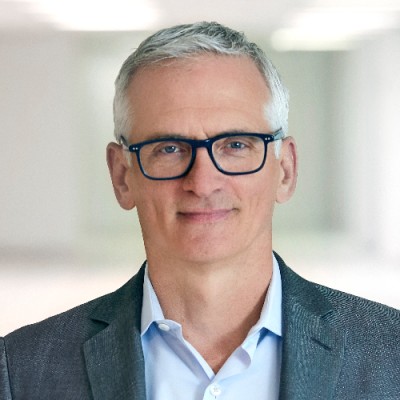
Chris Gladwin
Chris Gladwin
Founder and Executive Chairman · Ocient

Chris Gladwin is the Co-Founder and CEO of Ocient, a software company focused on hyperscale data analytics. A serial entrepreneur, Chris has a track record of building and exiting successful tech companies. He previously founded Cleversafe, a data storage company acquired by IBM for over $1.3 billion. His other ventures include MusicNow, one of the first digital music services in the U.S., and Cruise Technologies. Chris began his career in enterprise IT at Martin Marietta and Zenith Data Systems.

Questions answered in this episode

References & resources

Hosted by

Jason Kirby
Jason Kirby
Host · Founder, Thunder.vc

Podcast host, angel investor, and serial entrepreneur with 4× exits ranging from small businesses to VC-backed tech companies. Jason has been personally involved in over $100M in transactions and now helps founders close their next transaction at Thunder.vc, from pre-seed rounds to $100M exits. He coaches founders through their next major transaction and gets the deal done by introducing them to the right people in his network.

Apply to work with Jason

Full transcript

raising capital is hard but try raising Capital into the tune of over $300 million dur the Doom bust the Great Recession and postco well that's what Chris Gladwin did and did extremely well he sold his last company for 1.4 billion to IBM in 2015 and chrish goes on to share how even with a killer track record he still got hundreds of NOS from investors for his latest Venture oia where they just recently closed 120 million in fresh Capital Chris is an incredibly humble person and I'm grateful for him to be on the show and have a great conversation that I feel every entrepreneur should listen to on how to navigate raising capital in some of the most difficult environments and still be able to deliver success this is episode 49 of fundraising de toi where I interview Founders and investors that are actively raising or deploying capital in today's markets I'm your host Jason Kirby and I built and sold multiple companies across multiple Industries as a Founder as an operator and as an investor this show is meant to uncover what's actually happening in the private Capital markets here the untold stories of countless entrepreneurs that are out there raising money and help investors and Founders just make generally better Capital strategy decisions this show is brought to you by my company Thunder a tech enabled Investment Bank for Founders by Founders where we help companies get funded or or required our team can identify what's the best strategy and get the deal done for you whether it's in the pursuit of debt Equity or an acquisition if you like to learn more just generally subscribe to our newsletter or podcast on a weekly basis be sure to join us at join. thunder. BC again that is join. thunder. BC now on to the show hey everyone welcome back to the show today today today we have Chris Gladwin with us co-founder and CEO of oent a serial entrepreneur who has raised hundreds of millions of dollars and has a notable exit to IBM for over a billion welcome to the show Chris it's great to be here Jason look forward to the conversation yeah likewise and think you have a lot to lot to share to our audience and you've seen multiple Market Cycles you raise capital and and all of them and I think you're you're going to have some valuable insights to share just a kind of Jump Right In and call for what it is yeah you're a Seri entrepreneur you've you've had success you've made it you know why are you doing it again and and what compelled you to to do it again and and start ocing well it's not just me uh there's I think 45 of us who are employees from the last company at this company there's even a few from the company before that at this company a lot of the investors are the same a lot of the customers are the same and you know it's kind of like we're a team and you know the funnest thing you can do is like play you know it's like playing a sport as a team and it's just it's it's a lot of fun and it's just very satisfying I'm on a day-to-day basis that can be a bit of a grind but overall it it's it's really satisfying I also feel that this ability to create value and wealth is is really a a social good it's it's the thing that leads to Civic contributions and you know changes people's lives and it's it's what I know how to do it's what I've trained my whole life to do and I feel like this is this is my purpose you know to do this kind of work now it's great to hear and it's not often that you get to hear these success stories of you know the teams kind of sticking through and and staying with the company so to give the audience a little bit of color you know tell them a little bit about your background from you know music now to you know where you are today with oia yeah so um I started my career as a professional customer of Enterprise it products I worked for Martin maretta now locked Martin as a person that evaluated products and made the standard product list of what tens of thousands of people would use so I learned how to be a customer for these kind of products then I switched to Zenith Data Systems which was the largest portable PC maker in the world at that time and learned how to make computer products including software and then I started starting started started starting companies and the first one was called Cruise Technologies which made Wireless thing clients and then we did a company called uh music now which was made the first digital music services in in in the United States maybe the world that was pretty exciting and then did clever safe that you mentioned had a big exit with IBM and now I'm doing oen and uh what is oent so oent is a software company and what our software does is provide it's the software for the largest data analyzing systems in the world and our focus is missions or use cases that require the analysis on a consistent always on basis of hundreds of billions if not hundreds of trillions of Records in order in order to do what those systems have to do so that class of data analytics is really the largest class in terms of how much data is being analyzed every time you do a query and so we've built a new software architecture that's designed for that and uh as a result it's it it it's amazing you know when we put it in the hands of customers it's typically 10 times the price performance of anything else or it does things that just simply weren't possible before and and this is an interesting story in the sense that as far as the timing of things you had clever safe you know the company that you sold IBM and it sounds like you you were already kind of either working on on ENT or you kind of had envisioned it uh you know and like I'm just I really want to talk about just the acquisition a bunch of other things at that point but you know how did you kind of identify this new opportunity in the midst of an acquisition and how did you facilitate kind of bring it out over your team usually that's a pretty complex thing to do well in terms of identifying the opportunity I I think one of the things that we're really good at is listening to customers typically large Enterprises and understanding what they need to do and it can be very very complicated often that those will get captured in some kind of requirements document that'll be two 300 pages long but learning what the really what their requirements are why do they need to do it how does it need to perform that's a skill and learning to do that you have to have a trusted relationship and um so it at at clever safe which was the company before we made software for the largest data storage systems in the world and here at o we made software we make software for for the largest data analytics systems in the world obviously very similar and at clever safe we improved the price performance of massive reliable storage systems by about a 100 times and got to know very well the Thousand or so largest data storing organizations in the world and and they were the ones that that saw us make this big Improvement and they trusted us enough to say hey I I have a similar kind of requirement in data analytics and once I heard that five times from the largest Computing uh organizations in the world you know what that meant to me was like this is this is gold because if they're telling you this you this is like a trillion dollar tech company a giant Telco a big intelligence agency folks like that if they're telling I really need this thing and it doesn't exist it doesn't exist and that's an opportunity so that's simply how we got OC and started we just kept hearing this Market need from these customers and that's that caused us to realize wow this is amazing opportunity to make that to make something to fill that need and when it came to to clever save so you very clear transition in terms of product Market fed with the team and everything going over and and building the the analytics after doing the data but from the standpoint of you know one of the questions I really wanted to ask you since you have so much experience with that is like when it comes to deciding when to raise money for a company versus when to sell a company you you've kind of gone through a couple iterations uh how do you think about a situation like that where it's you know opportunistic to raise and build versus opportunistic to in the best outcome to sell well in terms of raise it's really dictated by the business some some businesses like one of the challenges to businesses like clever safe and oan is if if you're going to make a like a fundamentally better platform for some general type of Information Technology capability like storage or data analytics that's not a couple people sitting around over a weekend you know that is hundreds of person years of high-end engineering to build version one and there's a lot of great things about that you can you can come up with something that like blows people's minds it's so much better than anything else but if you're gonna do hundreds of person years of of high-end engineering to build version one that takes a lot of money you know that takes at least a hundred million dollars or hundreds of millions of dollars so in if you're going to build a business like that like you don't have a choice you're going to raise a lot of money so and that's you know generally the business will tell you when you when you model it like this is how much money you're going to need it's just that simple uh so that's kind of the the raising side on the selling side it's usually dictated by business circumstance um you know in the case of IBM buying clever safe IBM really wanted to buy clever safe and they they made us an offer that that that was just a great offer and so we took it you know in some ways it's just that simple um in early Acquisitions you it can be other things like it could be like there's an inflection going on in the industry and it's just the right time to sell because in the Once Sold the business is in a fundamentally bit better structure that was the case with the technology Cruise Technologies um with music now you know similar thing the industry was going through a transition it was just the right time to sell so usually it's it's kind of dictated by the business and the circumstance of the business and now I think that's a good good way to look at it when it comes to the fundraising and deciding that you're going to build a company that's going to take hundreds of millions to to to get there uh you we were talking offline before getting started of just you know I'll be you have a track record you have some you know experience doing this kind of stuff you you're raising money in some difficult markets which you know coming out of you know 2023 and you know the recent markets that we've had in terms of raising Capital you know what's it kind of been like raising capital in all these different Market cycles that you've had experience uh doing that what are some kind of stories you can share from that well the toughest time to raise money for a company is always as you're finishing early stage and beginning growth stage and sometimes a company will have a like the first phase will be be like the research phase and we have that at ocen because we're like oh we think we can make something that's just fundamentally different so now we're we're in the research phase where we need to fund that to prove that and it's it's all about potential and in some ways potential is kind of an easy thing to to fund raise on like look at this giant market data is growing like crazy look at how smart these Engineers are they're going to do something amazing that's basically the pitch and you know there there's a lot of investors that like that pitch and then you get an early stage and it's like that's where you're kind of doing everything that's important in the business two or three times just to prove you can do it and there it's also still about potenti you're getting these initial customers um look how you know look at the results I mean we're transforming their their you know business efficiency or whatever it is and and you know it's not a lot of Revenue but you're just proving that oh we can sell into this existing giant market so that's also about potential relatively easy to fund raise for then you get into you know later growth stage it's like wow look at this my revenue is you know 20 million 100 million it's growing like crazy that's just numbers in some ways that's easy to fund raise for it's that in between where you've done it a couple times and you know but your numbers aren't that great because you've only done it a couple times with each customer you know and you don't really you know you're may be doing a million dollars or5 million doar or half a million dollars or something like that and but you need this big pile of money because that's the time when the business most needs cash if if the market let's say gets really cautious and it's fundraising or it's or it's funding if you're in research phase you just slow it down if you're in early phase you just slow it down and just like drop the burn rate in half and then have the product come out at the other side of that Canyon of non-f funding if you're in growth stage growth costs cash so you just slow the growth down and and just kind of wait it out but if you're in that middle phase you you have to have cash because you don't have enough margin contribution to live off that and you but yet you have to have this enough investment in the product and sales and marketing to sell it because you got to grow you have to grow at that phase or you're dead but you know that really consumes cash so you have to have cash but you don't really have great Topline numbers so that's the toughest time and I think I'm the only person that I know of that I know I'm the only person I know of but I may be the only person who's had to raise for three different companies in that phase during each of the last three recessions you know the Silicon Valley bank failure and maybe that's what we'll call this recent one the Great Recession was the one before that and the one before that was the the do the.com crash and each time I had a company like finishing early stage beginning growth stage those are really hard to finance what was that process like is like you say hard but like what was it actually like like where were you going on just like it was a million NOS like what was your process and kind of you obviously overcame and you had success yeah yeah so you what was your actual process in each of those cycles and you know what's something that you can share with with our audience well the first thing if you want to raise money in a time like the Doom crash or the Great Recession or the Silicon Valley uh Bust or whatever we're going to end up calling that one the business has to be Flawless there can't be any fundamental flaw in the business you you have like everything that's important has to be going really well so like your initial customer implementations have to be mindblowing you know the product has to be way better than competition you know your your you know your your investors will call those customers and they need they need to like genuinely say wow this is amazing I've looked at everything else and nothing is as good as you know your product and you know so just like go right down the list of everything important there you cannot have a flaw the business so part of what you have to do you and the team is you have to make it Flawless and you're doing it at a time when you're resource constrained because you don't have a lot of cash you're trying to make cash last you know money's not exactly pouring in so that's that's a very that's like a big part of the equation is you there's no faking it you have to make the business Flawless and that is that is just simply hard work on everyone's part of the company then in terms of the actual fundraising you're you're going to um it's going to take some time like you know if you look at me at oan I mean I'm I was rolling out of clever safe which was a very similar company we we raised a $100 million total at clever safe sold it for 1.4 billion so I had a little bit of you know Goodwill you know with investors and even then you know this was that was not an easy fundraise to get through that phase which we did at oan but it's not like oh my God look at this last company you did a unicorn let me just write you a check no questions asked um I I know for sure that I've pitched over 300 investors for that round uh you know the round that we just did at oan and I ended up getting maybe 20 of them 30 of them to invest so my hit rate was about 10% which is amazingly good for a time like that but that's just what it takes you know uh you know you've got to do all hard work hundreds of times over of getting to investors establishing a know level of trust where they're going to you know hear from you take you a lot of them are going to go through diligence it's it's just a it's a lot of work there's no doubt about it so when you you're talking about like kind of buttoning up the business and not having flaws in order to stand out and a down markets deals get done but not as many deals and so only the best deals get done what were you doing from a strategic perspective with your company to make sure that you were one of the best deals and whether it's music now clever save or oent you know which which wouldn't be a good good story to share well I talked a little B about oent you know where we had to go to and it was very similar at clever safe because they're very similar businesses where you know we had to have every customer succeeding you know it's not just that we sold it to the customer but the product was amazing you know it it cut their costs you know one of our customers we we reduced the time it took to run all the analysis they were they were running which had been a problem we reduced that by 90% while reducing their cost by 80% like you have to have stories like that and this is a big giant sophisticated customer like you just have to do that again and again and again and it's it's hard so and it you and it means that every part of the organization has to be firing you know the the support group development uh everything has to be just nailing it so that that's the number one thing you know if I go back to music now music now is interesting um in that in the Doom bubble the the digital music industry was wildly overinvestment internet radio if you like made very generous assumptions it was a $10 million Market in the.com bubble it was like every Big Venture firm had to have a digital music startup there was 56 that had really well-funded 56 companies stacked on top of each other in A10 million market and the amount of funding you know those 56 companies varied from about 50 million on the low end to 750 million on the high end which was Liquid audio you know so10 billion dollar or something like that was like chasing a $10 million Market it it didn't make any sense and so then we got then you get to this phase where okay we're gonna play musical chairs there's 56 people and we're gonna end up with maybe three or four chairs and you know people companies were just going out of business every second so you know that that's what that was like and I would say um one of the ways I knew that we had a chance because I going into that one of the problems we had was back then business models were getting funded that had no Revenue this the Doom bubble was a little bit crazy and I remember like trying to raise money in the bubble when it was like wow you have a you want to make a company where you charge for music subscription Services wow how are you going to compete with people that give that away for free well the answer is that's very difficult to do you know if people are gonna just give it away for free it's hard to sell something uh and so in some ways it actually worked to our benefit when the the market the funding Market crashed then everybody had to have Revenue models and we were already there and I remember going to one of our competitors and in in our office it was in Chicago there had been a nonprofit before in that office that had moved out and they left whatever crappy Furniture as a nonprofit they didn't want to take with them and we just used it we were just so cheap and I remember thinking when I walked into this competitor's office I walk in and they have Guinness on tap they have foosball tables and I remember thinking to myself oh I got this I I know how to I know how to beat this company I just have to wait I just have to outlast them because I got I got the lowest possible burn rate and I know I know what they're paying on rent they're in trouble so so anyways that's a little story from the.com Crash it sounds like what prevailed is good Sound business you know I think that's been a com common theme across the last several years even as tons of money were going into random startups in 2021 and similar situation music everything was going into all these very similar categories that uh you know when the tide got pulled out and everyone's kind of left with their pants out you know they're just like you know the ones that actually had real businesses real Revenue uh are the ones that are still around today that were able to weather that storm maybe down rounds that sort but um speed of which like given how many rounds you fre raised what was what would you say was the the one where you came in with a certain expectation and then it was the complete opposite of what you actually expected or if that ever happened well you know music now the fundraising we did after the.com crash confounded me it was the first time I was in in a rationally conservative Market I had been in an an irrationally exuberant funding Market in the in the dot bubble you know where it was just like the these are smart people these are people with like they go to the best schools they're really smart and yet they were they were investing at a level that did not make business sense they were investing in businesses that didn't make sense and you know that so that was kind of kind of hard to internalize like this this level of irrationality by people who this is what they do is make good Investments and they were making bad Investments so that was kind of hard to digest and then we flipped to the other side which was the after the dot crash there was a you know going into it there had been 56 well-backed you know Venture back companies competing in this little market and then we had a three and a half year period where there was one Equity financing in all of those companies and that was music now we were able to pull one out and um and then it switched to this uh irrationally conservative market and and at the time music now was growing its Topline Revenue by 20% month to month I mean we were killing it and I remember pitching people investors like you know smart people you know they had had you know track record of success they got some fancy business school degree and I'm like I'm growing my Top Line 20% month to month do you know what that means and the market is this giant and we can go own this and they're like ah yeah whatever I don't want to invest in that so that that one that one confounded me for sure it's just like how can how you know the other thing that's interesting is if you look at the data on on the Vintage of venture Investments by year and when they succeed for sure what the data shows you in years when everyone is investing you get the worst returns because everyone's over investing and you know valuations are high you know companies that maybe shouldn't get funded get funded then you go to the other side vintage years where like almost no one's getting funded and the the ones that get funded are amazing and their valuations are low and you would think that the Venture Community I mean the thing is they know this they can articulate that fact yet you can be sitting there like in a year like I don't know last year or the year before where it's like this is one of those years this is when you really make your money um the problem is they they also for Venture fund to to to make money the money has to come from somewhere and most of where it comes from is public offerings and Acquisitions and so when the market slows down there just isn't a lot of money in the system and you know so they even though they on the one hand they know oh my God this is the best deal I'm you know I should invest they don't have enough money to invest in all these great deals so it can be a little confounding at times well I would say some of the smartest investors I've met over the last several years the ones that kind of you know been around the block and they saw when things are getting greedy took a little bit of money off the top you know were're able to capitalize on those Peak markets minimize their Capital allocation and did distributions generated some real DPI back to their LPS and they were able to go and raise a fund in 2021 2023 like many others couldn't and now they'll probably have some of the M ventages you know that they yeah for sure they will because like those deals you know because the other thing you see in in Venture funding is there's these you know there's metrics that people use growth rate margin you know and and as as years change the the the like let's say the the valuation divided by your Revenue multiple will change and it's a better investment when you're investing it let's say five times revenue for valuation versus 50 it's just it's going to work out better and those are you know that's kind of what happens in like exuberant years versus really cautious years did you know that most Founders waste days of their lives chasing the wrong investors well as a Founder you know your time is your most valuable resource don't waste it on the investors that aren't going to write you a check here at Thunder we built a free tool that identifies exactly which VCS are worth your time to pursue we score your company against 3500 VCS and family offices that have been vetted and are actively writing checks into companies like yours get your AI recommended list of investors that will look like this absolutely free by creating a free profile at thunder. BC you can upgrade to premium to download this list export it to any tool you wish and get their contact information and access the data on their portfolio companies to map out a path to warm intros and build your founder Network sign up for free at thunder. VC now let's get back to the show yeah let's talk about that actually because I advise encourage countless Founders and you know when they come out of you know they've only been through one cycle and they don't understand how you know what happened in 2021 was an anomaly and that these their competitors raise 20 million at a five you know 50x Revenue kind of evaluate all this stuff and they're all dumfounded by it and they they expect it they go to market and they're like yeah we we should be worth 100 million I'm like should you and from your experience when you you know you're kind of being now going through the the boom and then coming into the bus having to raise money how did you structure your your funding rounds and you when it came to giving up ownership or you know negotiating on terms what were some of the things that you were I would say how important to you what were important to you when it come to you know came to getting deals done well you you want to obviously you have to get the best deal you can get um so that's that's important but one of the things I've I've always shied away from is is in really exuberant years taking too much money you know you you if you take too much money at a too high of a valuation it's eventually you know the I don't know the clock's going to stop ticking and and it's going to have to make sense at some point in the future so if you go take a let's say a billion dollar round and a$ five billion dollar pre-money valuation and you're a pre-revenue company at some point you're going to have to deliver a number you know you have to deliver an increase on that you know like that like investors H investors have to get a positive return so if if you're if you're kind of setting your liquidation preference and your share price at this crazy high number and then two years down the road things get not you know just a normal well now you've got to you've got to now be raising future money or getting valued if you're let's say you're going to do a public offering at a rational number but if you've locked in this super high share price that's going to be a problem because either you're going to have to do a Down Round which you know creates anti-dilution will kick in which will dute all the common shares of you know the the the the employees and and you the founder or you're going to have some very difficult conversations you know maybe you get replaced um you know there's all kinds of bad things that can happen if you if you lock in a number that's too high as a valuation just because the Market's overexcited and usually what you people that do that they'll also lock in too high of a burn rate so they go off they get a billion dollars and now they hire 500 people and they're just chewing through money and you know you better deliver amazing results for that much money which is hard to do if it's too much if the business you know the more you pour expenses and people into a company the less efficient it's going to be and if you if you kind of oversize it you know either on the valuation or the expense level it creates problems down the road it's just not worth doing so I've always avoided like those giant crazy you know irrational rounds and instead you know I think one of my Specialties and one of the Specialties of the the group that I work with is we're really good at building these B businesses in a cash efficient way like getting you know the same amount done with a lot less expenses and that always ends up to your benefit in your experience have you had to face down rounds or those complicated conversations with any of the companies that you built I I've never done a Down Round And the main reason I've never had to do a Down Round is when when markets are frothy I I didn't lock in a crazy price even in 2021 I think I could have gone to maybe second or third tier investors and gotten a higher price a higher valuation for the company instead I I like if you look at you know Greg cof and oier who led our series B round in January of 2021 you know these are professional investors and I didn't push them to get the absolute highest valuation possible um I I you know look you you know what's fair you know you know you can get the high end of a good price but you want to stay in the range of a good price you don't want to get into crazy because it's it's not going to benefit you in the end at some point it it'll get rationalized and that rationalizing back down to a reasonable you know kind of what makes sense for a business kind of price is ultimately going to hurt the founder and it's going to hurt the management team when that comes would you say there's any framework that you use or you kind of rule of thumb that you use to kind of find that range that good price range well you can ask and that's a really good question a lot of people I talk to other uh entrepreneurs ventor Capital firms and you know firms that underwrite public companies they have a model for valuing companies you know based on metrics so for example the the ratio of valuation to revenue you know that's that's that's one they'll off or you know valuation to AR or something like that like they have these models and if you ask them they will be happy to tell you how how how it works you know and it depends upon your category so if you're like an Enterprise software company there's a very wellestablished model for how these companies have been valued over the years and and they'll they'll tell you you know what what those you know how does growth for example you know your growth rate annual growth rate effect valuation you can you can get the data and see like a chart of like how you know valuations based on growth rate how does the you know what's the correlation so you can get this data um you just have to ask for it and then you know one of the things I've I've learned to do having done this again and again again is to understand exactly what that valuation model is in your Market what is it for early stage investors what is it for grow stage investors what is it what is it when you want to go public and and those folks will all tell you they'll be happy to tell you and then you can use that to to manage your business and you know you know look I've got to deliver these results but you know like my expense my expenses I really want to keep them at this level in order to deliver those results because the expense as a percent of Revenue or something like that that's a part of what you have to deliver as a company as an entrepreneur that's part of what you have to build and you're just much better off if you know you know here's the template I mean it's this there's been hundreds of companies I don't care what you do there's hundreds of companies that have been similar to what you do in the past decades that have done that same thing if you're software social network or two-sided Network or whatever there's a lot of companies that came before you and you can just see what they did and learn from it and did you ever lean in on price first or you always kind of wait for a term sheet to kind of set the price or did you kind of shop multiple term sheets like how did you ultimately get to meet 300 investors it's a lot to sit down with give your pitch give your information to and then imagine multiple term sheets like how how did you go about managing your process to to get that good price well I've had rounds when I've where I've written the term sheet myself and i' and I've I've said this is you know and it's based on uh it just saves a lot of time you do it that way and and sometimes you know like you know the ratio that you're going to have to come in at so typically like in early stage the ratio of um like in early early stage it's it's if you know you have a high quality team and you know your Market's big enough like you you just know like companies valued on potential if you've got this kind of quality of Market this kind of quality of differentiation this kind of quality of Team like this is the range of valuation you're going to see you can get that information on in a grow with a grow stage investor they'll tell you what their how they value companies and so it's usually a multiple of Revenue or ARR you know with public companies when you go public in an IPO the underwriters will tell you like this is how we value companies this is how growth or margin or whatever affects the numbers so once you know you know what the answer is you know if you're going to raise money it's going to be in this round um and so you can kind of skip a lot of steps and and like I said I've never thought it's a good idea to get too cute you know where you're like trying to get like five investors and you're playing them off each other and you're trying to bid it up to this price that's like it's just out of the range yeah you can do it but I've I've rarely seen it pay off in the end because like I was saying earlier if you if you get yourself locked in at too high of a price and too high of a burn it's it's just not going to end well um so so you just stick with like you know the answer just use the answer and save a lot of time yeah I think it's a really good valuable point to kind of harp on a little bit more for our audience like I I've seen it happen time and time again like the founders that want to maximize price are often distracted and not focused on what actually drives value for the business and they they spent too much timey trying to optimize cap table and ownership and the found Founders that do that often yeah don't don't actually deliver much of a return or they're grateful to take a you know any kind of exit that doesn't necessarily yield value to to the shareholders as much uh so I think it's interesting the way you kind of say that and just uh trying to find what makes a good deal for everyone you know because the end of the day M's coming in they're your partner and for years potentially and you want them to win just as much as you want to win because they're along this ride and they have a lot of influence as well so right creating win-win-win outcomes is I think something that a lot of Founders I say for like repeat Founders St entrepreneurs you know multi you know post exit and Founders it's much more of your mindset of you know just create good terms for everyone all around and use some basic uh kind of publicly available information and comps to kind of level set expectations and it's usually the first time Founders that are like I'm worth 100 million that like 1 million you know right exactly so when it comes to you know exiting a company and selling it you know we've been mostly talking about fundraising what would you say is the the process of attract you know getting bought versus getting you know selling your company like do you have an opinion on that or any experience that you want to share well it's definitely better to get bought than to sell there's no doubt about that because what that means is the buyer is the one providing the motivation like they're the one making an offer they're the one that'll pay a little bit more because they want to buy if you're trying to sell it's much more difficult uh and that they're you know you're trying to get them to to to buy what you want to sell by in there you're GNA have to convince them it's a really good deal it's you know you're you're gonna it's not going to be a great price if you're the one providing the motivation and kind of pushing them to buy you so you know I would with with both Cru Technologies and music now we sold the company with clever safe IBM bought the company and you know it's a much better outcome when someone buys when it came to like being at the negotiation table and like from like let's say the sell side you know and you're you're trying to sell the company like you did music now yeah like what did you do to attract buyers to the table did you email every single person you knew at all these different companies did you kind of cherry-pick a couple you know firms like what what was your thought process when it came to creating a transaction so with music now as I mentioned earlier we were literally growing 20% uh year toe and we were we were just doing great the problem was the market the investment Market had just stopped I mean it it was it was way worse than the do Doom crash than it was two years ago or even in the Great Recession it just stopped so um you know we were in a position where we had to sell we were running out of money growth cost cash and we were growing like crazy and you know had we had that business now in some kind of more rational time it would have been amazing we would have found investors who would have wanted to support that growth with their investment and grown it into you know multi-billion dollar thing and it would have been amazing unfortunately that wasn't an option for us so we had to sell so I've never told this story publicly um but it's been long enough so we we were running out of money so we know we had to sell so of course then we we we began a process of like contacting anyone we think is a potential buyer and you know giving him the kind of the buy package with all the information and here's how amazing it is and all that stuff and um one of the companies that we wanted to we had as a candidate was um Circuit City and at that time Circuit City was amazing they were in that book good to great I think by Jim Collins where they're one of the best performing stocks in the past last 20 years they were they're on fire now subsequently they they struggled but at that time they were on top of the world and we had sent them the bid package and fortunately at the same time we were we were powering we you know what what music now did is we made download uh stores a music subscription services and internet radio services and we made all of those for every company in the United States except one so you know there companies like Microsoft digital music or EarthLink music or like we made the back end of everything they just we just put some branding on top of it and one of the companies we made the Ser a service for was Best Buy so we made the Best Buy download store and at the same time we were trying to sell the company the Best Buy download Store launched and we were the cover of the Best Buy Sunday newspaper circular which went to what like 50 million homes in the United States it was a giant deal and one of those homes was the CEO of Circuit City so he literally had got he had heard about this bid package that like hit his desk that week and then the newspaper hits his his front porch Sunday morning and on the cover is the Best Buy download store powered by music now and he's like oh I've seen these people on my desk this week and that literally caused him to pick up the phone Monday morning and say bye that company so that that is how that happened and it was very fortunate for us so I love this story because you took a we need to sell narrative to we're going to get bought you know in the sense that you know now the the the decision maker the CEO has seen your material and that's what probably triggered the buy as opposed to just seeing another deal on the table it's just like oh here's another deal and this is something that when appropriate it's not every case for every company but when I work so companies it's like as much as you need to sell how can you make it a situation where you get bought what's something sexy you can do PR is always kind of like a a way to hack that strategy and get people to discover you and feel like they found you as opposed to you put the you know you putting yourself in front of them um so I think timing everything kind of worked out for you on that one and it's also a note for you know Founders to think about you know how how do you get in front of people non-traditionally like sending a a called email or having like a a deck sent out things of that sort it's like you know kind of gets caught up in all the noise but if you are being read in their most F you know favorite article or you know favorite uh publication or something it just hits differently and and puts a completely different Dynamic and perspective in Deal making so that's a great story thank you for choosing to to share that with us uh much appreciate um yeah as we come to to R here Chris you know what would be some of the advice to Def Founders out there that are trying to figure out navigate their their own Capital strategy in terms of going out to Market and getting 300 meetings I know it sounds exhausting and you know get somebody knows but to get 300 meetings is a clear sign that you were doing something interesting because no several other Founders that would kill to get five you know so like what would you kind of tell Founders to that are looking to raise money well the the advice I always give people when they ask for advice about how to successfully start a new company is to figure out how to last long enough to succeed the number one reason companies fail is they don't last long enough to realize the success they're almost always right about what they're doing the value it provides the competitive position but they're almost always wrong about how long it's going to take um and you can be very experienced at this and like yeah yeah it'll take three years to do that like no it takes four you know and if you if you run out of money um you're done it's over and so the number one thing to do is to figure out like how to last long enough to succeed and it's always going to be significantly longer than you think incredibly well said I deal with this all the time every founder is like we want to raise money next month like yeah like oh it'll be easy like we it we'll get to 10 Mill AR in six you know six months I'm like I don't think so I don't think you're right um well Chris it's been an absolute pleasure having you on the show sharing your insights you have an incredible track record and I would say the steady true keep at it keep going is you know what you proven and stay levelheaded you know don't get your head in the clouds kind of thing is what get deals done on your side so really appreciate you coming in and and sharing your story where's the best way for people to learn more and F out about you well simply just go to ent.com oci nt.com and uh if you're definitely If part of what you want to do is to analyze extraordinarily large amounts of data in a really cost-efficient way that's what we do well I think there's a lot of people out there doing that now with with AI we have couple AI companies we're working with and data is the name of the game so you're in a hot space right now so I imagine you'll uh you'll have options as you continue to grow and scale OC so really appreciate you you know sharing your insights and spending some time with us today thanks a lot Jason it was a real pleasure awesome thanks for listening to the show today we hope you learned something valuable and if you did be sure to let us know in the comments or by hitting that like button and if you're a Founder looking to raise Capital then join us at thunder. VC we provide a free tool to help you identify which VC family offices or lenders are the best fit for you using raai it will will save you a ton of time from chasing the wrong investors and since launching our free tools Founders that have joined our Network have gone on to raise over1 billion dollar in financing again you can find these free tools at thunder. VC and as a reminder we release new episodes every week so stay informed by subscribing to our newsletter at join. thunder. BC again that's join. thunder. BC and if you or someone you know has recently raised around and one to share your story please email me at Jason thunder. VC and that's our show we hope you enjoyed it and we see you next week