← All episodes
Jul 4, 202350mEpisode 5

How do you raise $1M+ after your seed round stalls?

The short answer

After bootstrapping his first company to a $1.5M exit, former VC Martins Lasmanis shares the tactical playbook for raising a $1.5M+ pre-seed round during a market collapse. He breaks down how his local network delivered his first $410k in one week, and why the next $1M depended entirely on a shift from creative cold outreach to a relentless focus on warm intros.

Market Context

What 2026 exits actually pay for SaaS

Miro had $600M ARR and 250,000 enterprise customers. They sold for $1.79B — roughly 3x revenue. Their 2021 investors took a 90% haircut on their mark. This is the current market clearing price for quality horizontal SaaS. If you are building toward an exit, you need to know which multiple category your business belongs in — before your board does that math for you.

Highlights

  • Bootstrapped his first e-commerce brand to $1.5M+ in revenue before a successful 2020 exit to build operational 'street credit'.
  • Raised a $410k pre-seed round in one week from his local network. One investor wired $100k after a single 30-minute call.
  • Turned a stalled seed round into a 12-month rolling close, raising an additional $1M on SAFE notes from 20 different investors.
  • Pivoted from creative cold outreach to warm intros from existing investors, which secured the final tranches of capital during the downturn.
  • Reached ~$1.3M in trailing 12-month revenue while navigating the continuous pre-seed fundraise.

The full breakdown

Martins Lasmanis, CEO of Supliful, entered the founder world with a unique perspective after spending nine years in venture capital. To gain operational “street credit,” he first co-founded and bootstrapped an e-commerce brand, GraphoMap, to over $1.5 million in revenue before a successful exit in 2020. This experience set the stage for Supliful, a platform for CPG-on-demand, born from the team’s frustration with the high costs and complexity of launching a physical product brand, which often required a $10-15k upfront inventory investment. Supliful’s fundraising journey began in mid-2021 during peak market conditions. Leveraging his deep network in the Baltics, Martins raised a $410k pre-seed round on a SAFE note in just one week. The speed was remarkable: “I started raising on Sunday evening... by Friday that next week I closed the whole round.” One investor even wired $100k after a single 30-minute call. This initial success highlighted the power of a trusted local network built over nearly a decade. However, the market shifted dramatically as he went out to raise a $2 million seed round in late 2021. The hype evaporated, and US investors were hesitant, particularly given his status as an immigrant founder splitting time between Europe and the US. The raise turned into a grueling, 12-month rolling close on SAFE notes. Martins describes the pressure of constantly living with a dwindling runway: “for the past 12 months, it's been like all the time, like three months, two months, one month, zero months, then you get some funding in.” This process ultimately secured an additional million, bringing the total pre-seed to over $1.5 million from 20 different investors. While he initially tried creative cold outreach—including sending VCs a unicorn drawing from his daughter—he found that the capital that kept the company alive came from a different source. “Pretty much it all went through warm intros afterwards,” he explains. “The existing investors introduced to another entrepreneur that was kind of ready to support us.” This pivot from broad, cold tactics to high-trust, targeted introductions was critical for survival. With ~$1.3 million in trailing 12-month revenue, Supliful is now focused on reaching breakeven and proving its platform model by integrating third-party suppliers. Martins’ goal is to shift from raising capital for survival to raising for scale, embodying the mindset that “sales cures all.” His journey serves as a playbook for founders navigating a tough market: leverage your network, be prepared for a long and difficult process, and understand that when conditions change, warm intros from trusted sources are your most valuable asset.

Who's on this episode

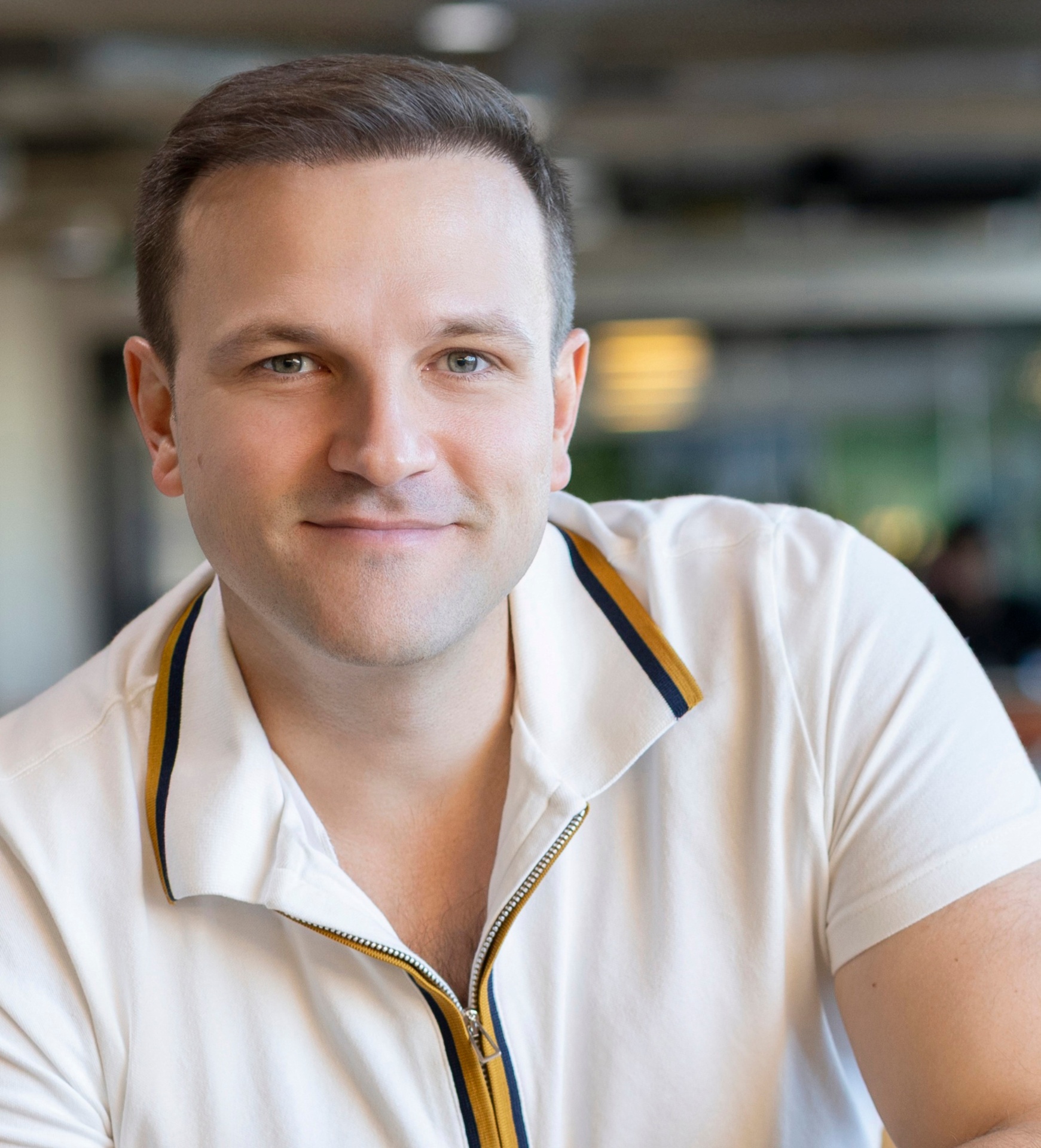
Martins Lasmanis
Martins Lasmanis
Co-Founder & CEO · Supliful

Martins Lasmanis is the Co-Founder and CEO of Supliful, a CPG-on-demand platform that enables creators and entrepreneurs to launch their own supplement and wellness brands without upfront inventory costs. Prior to Supliful, he spent nine years in venture capital in the Baltics, gaining deep insight into startup operations and fundraising. He also co-founded and successfully exited the e-commerce company Grafomap, which he bootstrapped to over $1.5 million in revenue. This experience directly informed the creation of Supliful, which aims to solve the supply chain complexities he faced as a brand owner.

Questions answered in this episode

References & resources

Hosted by

Jason Kirby
Jason Kirby
Host · Founder, Thunder.vc

Podcast host, angel investor, and serial entrepreneur with 4× exits ranging from small businesses to VC-backed tech companies. Jason has been personally involved in over $100M in transactions and now helps founders close their next transaction at Thunder.vc, from pre-seed rounds to $100M exits. He coaches founders through their next major transaction and gets the deal done by introducing them to the right people in his network.

Apply to work with Jason

Full transcript

my daughter drew a unicorn so it stands behind my my desk every day so I was pitching like uh I was sending this image called email to VCS and saying like this is a drawing by my daughter um and she draw this unicorn but while I'm actually building the actual unicorn so and then kind of that sparked the conversation is something different uh and that uh really got us got me on the calls you know had a pipeline of calls welcome to fundraising demystify the podcast where we uncover The Untold Stories of successful Founders who have raised Venture Capital to bring their Visions to life join me Jason Kirby your host as we dive into the hidden truce of the fundraising game we'll explore different strategies tactics lessons learned from these entrepreneurs who have figured out how to win the fundraising game in their own way whether you're a budding entrepreneur just getting started or an established founder looking to scale your business this podcast equips you with the knowledge and inspiration to conquer the fundraising landscape thank you welcome to episode 5 of fundraising demystified today we have Martin's Los Manos with us the co-founder of suppleful a platform for Brands and influencers to launch their own white label products and they recently raised a 2 million dollar zebrand we talk about his strategy of using a picture of a unicorn drawn by his daughter to get the attention of investors how he approached the fundraising process as a sales process and hosted prior experience as a VC helped him get an edge let's go ahead and Jump Right In we're excited to have you today Martinez and I would love for you to go into a little bit more about your story and share kind of how you went from kind of initially conceptualizing the company to where you are to now where after you've closed around and now you're in the position to actually focus on what you want to do and that's build your company so I would love for you to just give me a little bit of your background on yourself and kind of what led you to starting supper full all right thanks Jason happy to be here and thanks for inviting me on the Pod um so super excited to share our story and just let's see where the conversation leads so a bit of a background about myself I'm um I'm an electrical engineer and then I turned a kind of entrepreneur when I studied MBA in Sweden and after the my studies I really started working in venture capital in baltics it's a rather small Venture Capital scene but I worked there for nine years and and learn a lot about startups on a high level as well as on a micro level seeing like how different startups compare against each other as well as what actually happened specifically on in in each separate companies and it was very gratifying feeling but throughout that process I was a super young guy I was just in my 20s and I really got that vibe from companies coming to pitch to us as a fund that like people looking at me saying like what do you know like who are you basically look at this young guy sitting behind the table never built a business uh doesn't have the street credits so I decided to to earn the street credit and together with the founders of the current company Supple we launched our first business venture uh which was an e-commerce brand called graphomap.com and we bootstrapped that business to a bit more than 1.5 million in Revenue in the US market um and then we successfully sold it in 2020 and that's probably one of uh the biggest achievements still this point so far because it was really like we said it took us five years we set it out in 2015 that we're just gonna bring like a company from zero to one and that was the whole you know goal of that uh or the driver behind that just to prove ourselves that we are entrepreneurs that we understand what it takes to build a company and that uh our assumptions actually are working so uh yeah that was uh super like uh gratifying experience I would say and uh yeah after selling that business we realized that uh the one best thing that kind of works with uh with early stage startups um is teams and uh and the founding team is super critical so we or more specifically I knew that we need to do something together as a team next something bigger challenge us to the next level because we all have like uh different competencies like Rudolph's one of the co-founders is like a super super skilled technical founder engineer Richards who is also my childhood friend he's probably one of the best in terms of like understanding how to build a product how to position the product how to market the product like a like a full stack uh marketer knowing tons of tools analytics understanding where to push the buttons why the product should look like like that specifically and then uh me kind of the operational side finances building the organization as such to make sure that that that organization leaves Beyond ourselves beyond the founder so it's its own entity basically um so yeah and uh and that's a massive asset because also from the experience of VC um I I saw like how antenna in like six out of ten Investments we went in just to mediate the founders to make sure that they stick together and actually execute on the business idea so it's already like a massive asset so that's one thing another thing was that how we can leverage that U.S market again and build a much bigger company third we had a problem with uh not a problem but with the previous business there was basically no reoccurring Revenue we constantly had to struggle with acquiring more users and pay for the ads so um that was a huge a drawback so we needed a business model where we can Implement subscriptions where we can drive kind of uh reoccurring revenue and an increase or increase the sales frequency and we wanted to do something really with physical products so what idea was uh okay let's build a consumer package Goods brand in the US um either in the Sports Nutrition or Wellness niche but as we start to dig through the market like we realized how Antiquated this it's super old school like it takes you months just to identify good suppliers once you have identified the suppliers um they start sending you emails with PDFs or Excel spreadsheets so it takes tons of time just to communicate so you spend months already by this point then okay you set on couple of suppliers you know what to do then the next step they say like okay guys but you need to invest like 10K 15K in inventory okay fine let's do that another cost to just in a pretty much risky Venture that you don't know how well it's going to turn out and then third is still not all suppliers provide 3pl Solutions so have to find like a 3pl partner where to store everything so super long costly complicated and eventually this drives the barriers of entry in the market super high because it's a massive risk pretty much to take on so we literally thought there must be much much better way how to do it than execute this so we uh built an innovative business model in a consumer package Goods Market which we call consumer package Goods on demand and that's what Supple is all about what what it means is that you can launch your own consumer package Goods brand with one click there's no moqs there's no upfront investment for you we deliver all the orders on your behalf to our end customer it takes you just installing for example the Shopify app support Shopify app on your store publish the products and that's it you start selling it's frictionless experience no that's something that uh yeah I'm glad you brought up in terms of how you basically came up with the the team as your first focus and I think you know having your experience as a VC early stage Investments you're usually betting on the team and I'm glad you shared that story of how you had to intermediate several of the the companies you invested in because that's the reality of a co-founder partnership there's a lot of funding heads I've had my fair share of those moments um and it's how you handle those and having great Partners like your VCS to be able to assist in those times of need when you kind of have that need that third party input uh so that's an amazing insight to kind of share on to our founder community of just really knowing who you're going you know who you're getting into bed with or what could potentially be the next five ten years whether that's a co-founder or even a VC it's a partnership that is potentially for the life of the business hopefully yeah um so okay from here you basically decided originally go cpg but then you you then you identified the problem the real problem that you guys wanted to come and go after when you're trying to set up that business which personally I've dealt with I had a cpg brand for about two years you know and that was one of our it took forever just to get the product to Market um just because finding all those partners and all those uh you know pieces of the puzzle we didn't even get to focus on marketing until almost like six to nine months later um so the fact that you just allow anyone to come in and just launch any kind of white label product off the shelf kind of pick and choose what's right for their brand and go live uh you know relatively quickly is you know something that I think a lot of uh either creators are mostly your your target audience or yes so creators e-commerce specialists literally solo entrepreneurs you know anyone that has some sort of a community and they're looking for an other means to to kind of additional Revenue stream to their existing uh business yeah so you kind of tap into like you know e-commerce um supply chain as well as greater economy and you know Community economies and stuff like that so kind of tacking into some trends that uh have been popular lately yeah um you know one thing we we kind of glanced over but you know you're you're in and out of the U.S traveling back and forth um you know to manage some of the operations in Europe as well as in the US like as an immigrant like how much harder was it for you to kind of go through this experience and you know launching a product in the US and working with U.S investors U.S partners um well working with uh Partners there's no problem at all like they don't like I'm doing sales also a lot of sales from from Europe and people it doesn't doesn't care they don't care where is uh where I'm based from or am I immigrant or not they're more of course interested into value what I can provide but uh in terms of uh VCS it's been definitely much more challenging because uh we have just uh one U.S Angel and then a smaller fund from Silicon Valley which is called diasporter Ventures and actually focuses on investing in immigrant founders because one of the partners of the fund is French but when it comes to raising from U.S investors for that precedence for the precede round basically which are closed at the moment is um it was a challenge because I don't have any network nobody knows me people that were in New York that are more straightforward bluntly up front told me like you're not from the US so unfortunately you will not be interested uh also when it came to Colorado when we have where we have actually in Denver where we have physical location we have office we have people working there we have uh like we are all our businesses in the US and talking with the VCS they were like and I'm telling them like I'm traveling back and forth I'm here and in the Europe because I'm managing both of the teams no but you have to move here and I'm like okay but but you have to understand like uh first of all we're super efficient company and we're gonna stay that way for me to come here with my three kids with my family it will be a cost to the company of 10 to 15K per year per month living in the US why why do you want to do it what's the what's the rationale so there's no logical even rational decision made um so so that's kind of the the feedback and notion I mostly got but on the other hand I kind of understand what where it's coming from and it's totally normal like you have to prove prove yourself you have to they have to trust you because at the early stage it's all about trust there is no almost rational decisions made uh towards how to make and they try to they try to justify a rational decision because I've been a VC and I know 100 what you're doing like you're trying to rationalize your decision but pretty much it's an emotional decision so uh so it's it is what it is and I think it just makes us grittier it makes us more resilient it makes us more wanting and and being uh more resource savvy so just the extra the extra roadblocks um I think helps you even even grow at some point and then make sure that you build a sustainable business instead of just Venture driven business I just want to you know call that out that that mindset right there I think is what leads to a successful outcome I think there's a lot of um you know Founders out there that feel either that they're being neglected or there is um some kind of forces against them and you know macro forces uh that they kind of blame their problems on but you're you're reflecting on the issue of you know like these are just roadblocks that I have to overcome and build a better more sustainable business and it will ultimately lead to a healthier business which is what VCS ironically want to see now you know two years ago they wanted to see the how fast can you burn and grow yeah and now they're like how fast can you get to profit and you know you've already kind of been uh built out to optimize for for profit so that's that's great to reflect on um so kind of Switching gears uh you know one thing that's important about this this particular podcast is talking about you know what you raise how did you raise it and kind of going through that Journey now we have some context to you and your your background in the company you're great for you to kind of share like when did your fundraising journey start and kind of what you know having boobs dropped a business before and had success and had an exit what made you want to go down the The Venture back path yeah you like for you yeah so starting with why we decided to go the Venture route was uh it's because of our probably ambition that we want to build a you know company that is is global that employs thousands of employees across the world that with high salaries which means that our impact is which means that we are impacting like 1000 families that they can live decent lives so that's the most ultimate goal of this uh building this business and for you to be able to do it uh you need an outsourced investment to do it in still like let's say relatively short time and by relatively short time I mean like 10 years somewhere in that range because there are companies existing for hundreds of years still building and improving and growing um so that's why we pick the Venture route of course there's some drawbacks there's some positives but uh but yeah so um how we how we started our fundraising Journey so we started thinking about this idea and kind of putting together sketches late 2020. so then we invested like 50k our own money in the company we built uh the first like closed beta Alpha version just to test like so in February 2021 and that was still like the hype around fundraising and everything was still on so uh so but we took like I'm having the background we really took that mvp route and understood what steps you need to make in order to raise the next round and kind of what you need to achieve so we invested that money and we really like build out an MVP just generated a couple of thousands through the platform just prove the concept that it it works and that is really needed in the market and then in May June we raised the uh precede round uh here in baltics and that went super fast that was like I I was surprised it went I started raising on fro on Sunday evening so I did the first uh 50 so we raised in total 410k at uh four million uh pre-money Safe Note so everything that we raised till now is unsafe so that's the first uh safe uh Race So on Sunday I got in first 50k then by Friday that next week I closed the whole round and most craziest call I had was I had I talked with a person for 30 minutes met them met him first time in my life and after our call he transferred us 100K in the bank but uh but you have to understand why this happened because it was in politics I was a VC for nine years and those people actually knew me they knew what I'm capable of what I've built and all that kind of network helped me definitely to raise the money so I so I uh kind of tried to compare myself if I would have spent 10 years of the same kind of things doing in Silicon Valley I would probably be able to raise the same amount but 10x just because I would be there and people knew me and kind of what I can achieve so this is what it's a testament kind of how critical and important is your network and and your your connections and also your your personality how you act as a as a human being and what you want to achieve so that went super fast and I was like yeah it's great let's move on this is gonna go easy and then things uh we use that Capital like to open our Denver facility hire some first key people kind of build out our our first version of the platform which we launched in October 2021 and that was kind of the that is the launch date of our uh of our business pretty much and it's when we start to calculate how fast we're growing how much revenue we're generated Etc so uh so after that I opened like I called it the Seas round at that time uh in uh November the November December end of the year so I wanted to raise with the safe note a two million seed round at uh 10 million pre-money again with safe notes and kind of on a rolling basis and that's when things I don't know if that was a good decision or not but it's what I did and what I took for and that's when things like started to go down the hill because pretty much when it started 2022 everything just started slowly dropping and there was no hype there was no like uh no like um momentum investors got more cautious so and all this safe raising for God forget about the U.S investors like they no saves nothing so but I still raised like uh what was it uh 460k from the existing investors and couple of new ones but also really like uh one smaller early stage fund from baltics and then couple of high net worth individuals um so close that and then you know I've been living kind of on a rolling basis and for the past space now it's the situation in stable but let's say for the past 12 months it's been like all the time like three months two months one month zero months then you get some funding in and then it goes like this constantly with safe notes and uh so it's it it's a lot of pressure on the CEO and it's a lot of uh it's a tough job to handle because literally you like you're pretty much it's on you it's all the time on you it's not it's not the founders it's not the other they're focusing on their own stuff but it's you that kind of deals with this nobody's coming back to you nobody is responding you nobody cares you see that the money is running out but you don't want to seem desperate so you constantly need to manage these uh things and of course it's super stressful so it takes a tough character to be honest it really takes a tough character and it takes tough mental preparedness for that and for me I just uh focus on like everything's just gonna turn out fine continue taking step by step move towards the right direction be honest to everybody about what is happening and uh and eventually things turn out positive so we till that point like constantly after throughout 20 22 we raised like additional uh million basically so the total and I called it eventually extended precede round and now to date in total which is like a pre-seed round we have raised 1.5 million a bit more than 1.5 million always safe notes and then like 20 different uh investors so uh yeah and then now the core focus is really building the business and making sure that we get to break even in couple of months hopefully in uh June we'll see how of course we scale and how we grow month over month uh but the plan is to really like break even this year and then we are in a stable position when we want to raise money and we want to raise capital to scale what we're doing not to survive but to scale so you know that's that's quite the journey and I think you you kind of said it right when you know the burden that falls on the founder of the CEO to kind of always be raising um and in the truest sense here not being able to do what would be more traditional as like a priced Equity route and everyone kind of Falls in together in like a month or two and you close out all the notes you know for for the sake of your business and the fundraising market we've just got out of you're just on a rolling basis stacking stacking safes and the the stress that comes with that of just will you get that check you know in the next month or so is uh is quite burdensome um I guess what was your what was your strategy like how often were you meeting with investors how are you were you changing and evolving your approach how did you go about kind of securing the an additional million that came in in 2022. yeah so uh first what I did actually and it kind of worked really but we uh we passed actually on some uh VCS because there were some uh uh like um regulatory requirements that were needed in order to receive their Investments so like open uh open an entity in their jurisdiction and so it's all cumbersome but what I did in this um like late 2022 is I took this super like Ultra personalized cold Outreach process and really like approached it as a sales and then I uh pitched the investors we'd like a more personalized story so for example actually I have my daughter drew a unicorn so it stands behind my my desk every day so I was pitching like uh I was sending this image called email to VCS and saying like this is a drawing by my daughter um and she draw this unicorn but while I'm actually building the actual unicorn so and then kind of that sparked the conversation is something different uh and that really got us got me on the calls you know had a pipeline of calls the process was sort of tight at the beginning which is super critical to have that but then it slowly like has the macro Trends came in as we didn't close as we didn't get the lead nobody was focused on so it's kind of started to and then it just like totally wasn't uh like out of it went out of control basically when would you say like the on the timeline wise when you when you felt you had the momentum before it kind of got lost what what when was that last year so it was uh late December early January I would say I would say maybe if we took that one we see who was ready to like lead kind of and do a half a million then we'll probably be able because I had tons of people like ready to follow of course as always uh they say they say they follow but yeah yeah it'll come in and uh no but but I kind of had like I had it together but they were still missing this one kind of bigger VC to commit and come in but we passed on that and I think that was a bit of a turning point but you have to live with your decisions this is the decision that I made and um I just uh went forward and then played with the cars that I had on my hand and then uh yeah yeah yeah looking at the Unicorn house uh but no that's not the ultimate goal you know as I said to build a unicorn it's kind of a metaphor of building a huge company which implies it's it's potentially worth more than a billion dollars but uh but yeah then it kind of started drifting another so we had this a bit of money in like a half a million let's say so I had I knew I had a Runway let's say to like March April and then I then I did a visit to to Silicon Valley and then before that I also did like a massive Outreach I had couple of meetings but still it was called with time so I thought that if I if these people if I get in the room with these people and they see me in person I I increase my chances of uh of actually converting and uh and and then closing uh more funding and that helped with one with one investor which was Dia sport Adventure so I I went to San Francisco they were one of the few ones that actually met with me in person and uh it wasn't a huge check but still that was 75k and it helped us to just prolong the runway and uh and and then it worked kind of so the trip let's say paid off I would say and then from from all these like conversations and everything what is the benefit I have truly like at this point built a huge uh investor list and I have kind of people from a16z graycroft uh from large fonts really kind of following the updates of course they're not uh maybe responding much but at least I'm constantly on the radar they see my progress and I'm using that as a as like warming them up and when I will be raising the next round I know that this is going to be pretty much super tight deadline calls on specific dates uh days so I just kind of approach it as a sales and when do you plan to go out for your next round so the idea is to do two things so one thing is that what everybody is looking for supportful in terms of like larger VCS coming in so we prove that there's this platform play for supplyful So currently we're holding the inventory in our Denmark facility but now in end of March we will actually integrate our first supplier that is going to drop ship the products themselves so they're going to deliver the products themselves we stop holding the inventory so this proves that our eventual goal that we want to be like an infrastructure like a pipeline between hundreds of cpg suppliers and anyone on the demand side looking to launch a product white label product so first integration basically rolling out in April second integration by June so we already have two and what what that gives us we remove the inventory and at the same time we exponentially expand our product catalog uh wider markets more verticals so kind of more appealing to more people and then on the demand side is really scaling it and making sure we can actually break even and we're a sustainable operation so once we have those two elements set in place we are more confident to say that and we're still exploring but we're at least more confident this is the playbooks we're going forward this is how we acquire that the supply side this is what we're working on the demand side it works we just need to scale and for that's what we're searching the capital for that makes sense and then um so yeah basically the timeline is uh July June let's go to the Target and then you know you kind of mentioned something that I think is important that a lot of Founders kind of forget is after going through the process of reaching out to all these VCS you know and for whatever reason maybe it was bad timing macro effect maybe you just weren't you know as interesting to their thesis or whatever it might be but you still have their contact and things can change over time and it sounds like you've been you know providing investor updates over time is that is that true yes yes every month I have an investor update every month uh we're super diligent in our process what we do it's detailed financials it's basically accounting level uh uh management financial management reports and uh you have to understand that this is not just a SAS business where there's just like uh just one thing pretty much there's almost marketing costs salaries and that's it basically um but here I have to carry inventory how the inventory moves so it's much more complicated operation uh in term compared to just the regular B2B SAS uh so uh yeah we're sending these out so first of all people memory is super short so you have to keep track record of the things that you're doing uh just personally for myself and it helps me to align really think about what we achieved through that month I'm also even on a weekly basis I'm sending out the memos so Fridays I'm just spending like sitting down understand what's been done what I'm planning for the next week and kind of what we want to achieve as a team together so uh I think it help it helps you level and helps you keep hope focused all the time nah I would agree and I'm glad you shared that with me and then something that helps you know from kind of educating our Founders and having them have insights in terms of um how they might be able to relate to to your specific situation are you able to kind of share any kind of Milestones or metrics uh that you've been hitting that kind of help support your fundraise hmm okay yeah so what we are focused is uh one metric is month over month growth rate uh then on the demand side we are looking at how Diversified the revenue is from who the revenue is coming so it's not saturated with with just couple of accounts then we're also looking at a gme how much uh revenue is generated by our customers using Supply so it's almost like the market size or the economical impact that we are creating with this type of solution um we're also tracking uh Shopify store installs how they are growing over time reviews Shopify reviews for our app which is an indication of uh like the sentiment and kind of the service that we're providing um yeah I would say those are the main metrics oh another critical metric actually which is probably the most important one over over all of those is retention so we're constantly looking at retention to make sure that uh our cohorts are growing month over month and that is probably at the moment one of our biggest challenges that we haven't really cracked so it's fluctuating month over month it's not compounding and it's not growing but once we crack that knot I think we're close to an Unstoppable business growth and say that's something that's why I asked this question is you know every business is a little bit different but a lot of the core fundamentals uh for any kind of venture-backed startup is like month of month growth rate retention rates uh gross margin things of that sort that what a lot of VCS will base their investment on of understanding okay can we project out future cash flows and can we see this business being sustainable with these core metrics and you're wise to know that you really need to focus on your retention rate and figure out how to crack that code because that will ultimately unlock immense potential because you already paid a certain amount of money to acquire that person or to you know that customer get them on the platform but having them stay and leverage and use the product continuously will just you know increase your LTV over time um would you mind sharing any kind of uh top level you know metrics as far as where you guys are at in terms of either whether it's other growth or retention rates or if you're comfortable uh yes yes yes sure so uh gmv since launch is now more than two million dollars around 2.5 something like that or 12 months uh trailing Revenue is close to 1.3 million revenue or gmv no Revenue that's Revenue nice um and we are on average growing 18 month over month we're not yet hitting that 20 Target that we're looking for um yeah we grew uh we have close to three three thousand five hundred installed Shopify stores 10 000 registered more than 10 000 registered users um we are not profitable of course um so yeah these are kind of the I would say the high level numbers now I appreciate you sharing that and I think that helps a lot of Founders kind of understand like hearing your your fundraising journey and kind of hearing your your metrics it's how Founders kind of whether it's healthy or not they like to compare and understand like how are they different how are they you know similar uh and I think you had some headwinds that you kind of addressed earlier in your fundraising process just the fact that you're going to and from Europe uh puts a lot of VCS and investors on edge because they you know for most of them they just don't understand it they don't if they don't understand they don't want to write a check for it because um even though it's really easy to understand if they just put a few minutes behind the yes yes you're very right and then that's the notion actually I got from fundraising is like these people literally invest in B2B SAS because they keep uh asking me like the same questions and I'm trying to explain what is the business model but they keep coming back to the same metrics that they understand which doesn't really apply to this business model so yeah that's that's but it's kind of yeah it's that's why there's always a fit between a startup and an investor so and you can only find the fit if you just talk to people yeah and that's uh yeah that's something that's really important to kind of mention it's like when you talk to certain VCS they're trying to put a square and a circle Peg uh you know or put a put a square peg in a circle hole and it's like they're just trying to hammer like no it's not working okay this doesn't this doesn't work and you know for some PCS there's a lot of you know kind of more open-minded approach seeing bigger opportunity but you know often if you're dealing with someone that you know maybe is a little bit younger or early you know less experienced they they try to like stay within a certain you know guard rails of making a decision and if they only look at B2B SAS they're only going to ask you B2B SAS related questions and they're going to try to force your business into that direction and or interpretation thus you know it's not going to work out because that's not your business and you know in those situations but you know typically if I talk to a Founder that gets one of those situations where talking to VC like that in that case it's best to just walk away because that's already showing the signs that this relationship isn't going to work out and it's best not to kind of Chase the shiny object because they'll lead you on yeah keep engaging with you and keep poking but it won't go anywhere in most cases and you're very right about this because literally I had like uh I had like two opposites of meetings so one is like constantly asking like what you are doing what you're like I don't understand and then there's this other meeting was like totally understand straight to the point questions like really want to know details about our business and then it's like it's even fun to talk to these people and explain and maybe they show you a totally new um angle of your business that you haven't really thought about so but uh well you did what you had to do you landed the meetings which is you know some of the more difficult things for a lot of Founders so you had a clever way to land the meetings you were persistent you treated like a sales process and uh you know was fruitful but not to you know you were up against some pretty hardcore uh you know wins against you but but uh to be honest the thing I didn't mention what eventually led to actually raising those remaining amounts of money so the diaspora went through a called Outreach but still there was a warm intro angle pretty much it all went through warming throws afterwards like the existing investors invest in introduced to another entrepreneur that was kind of ready to to support us and uh it really went that way it's uh so I haven't uh I didn't continue to do cold Outreach and uh and kind of close the remaining amounts it all almost everything went through just like uh warm intros and how did you get those warm interests um one of our advisors was super like connected and the supporter of us so he's just he's just constantly just introd us and talks about us and basically that helped a lot no no I'm actually kind of glad you brought that out because I think a lot of Founders are worried that when they come out for you know cold Outreach one it's an arduous process doing cold Outreach to be as calculated as necessary to land a meeting it's not you can't just spray and pray you actually have to be very diligent on the Outreach and it's very time consuming and draining process but at the end of the day yeah are you better off reaching out directly to a vce or reaching out to one of those VC's port co-founders and getting a warm intro or because that's that's the most valuable intro you can typically get is a poor co-founder uh yes yes and that also like that's a good strategy that's a really good strategy but uh I try to also do that but and engage in some communities like marketplaces Community but you really need to be active there and it's takes so much time people don't like understand how much time it could take just to like engage on Twitter on communities everywhere one is time another one is like your mental at some point starts to like boil basically because you're just constantly engaging with someone and writing genuine comments and uh it's a tough uh yeah it's tough it's tough by no means an easy Journey for for anyone um yeah as we kind of you know wrap up here one thing I would love to to know is like you know what would be your advice to the founders that are looking to you know raise Capital given that you are you know former VC you know exited founder and you know now kind of onto a venture-backed startup and embraced you know a couple couple bucks uh What uh what would be advice so first of all it's always super difficult to give advice because uh we're always each of us in a different circumstances in a different set of uh variables that are in front of us but uh I think it's just summarizing the things that uh I was doing and doing them all together so first of all uh building relationships and getting warm intros to the leads that you have set up uh also code leads uh and then uh start all Outreach all together both with warm intros cold Outreach set up and automated email sequence that has constant follow-ups um there and create like a then either in emails go back with a calendly link or basically set up meetings instantly just for specific days of uh the week so you spend let's say Monday and Thursday you're just spending on calls the rest of the days you're doing other other things because if your calls are distributed across all the week like Monday Tuesday Wednesday constantly like first of all you're not in the zone it uh literally up with your brand being on meetings all the time and kind of pitching and it's just not a focused way to do it so yeah this is kind of this is the bill I would say those are the building blocks to set yourself for kind of a tight process and of course try to make it add some emergencies this is this is more like like spices or something that I don't know this is like really difficult to give an advice about is you have to feel the situation and the circumstances you're in yeah and the the macro environment hasn't been friendly to a lot of Founders recently as well so a lot of typical processes as much as they were affected effective like a year or two ago they've um it just takes longer it's harder uh you know the whole fomo approach has changed you know quite significantly VCS realize that it's a it's an investor market now not a founder market yeah and they're taking their sweet time um making fewer uh Investments and uh you know taking a lot longer to make those Investments the deployment Cycles over the last couple years been funds depleting their Capital like their initial Capital investments in like 18 months two years and going out for a new round now it's kind of going back to the traditional three to five years so they're just taking longer to make the the bets that they're making um well yeah um oh go ahead no just like Focus really on building a business if you can and focus on sales and then I think the fundraising will just come and fundraising is not for building a business but fundraising is and extra funding is for scaling that operation or getting yourself to the next level it's like default default live versus uh what was it default that is like the famous y combinator term and I'm glad you shared that that was a good friend of mine years ago said sales cures all yes exactly why do you need investors if you can get it accounts that are just bringing you hundreds of thousands per month like what's the point exactly and uh that's you know great advice and I think that's the the Mind shift having talked to hundreds of Founders during the the peak of the fundraising market and kind of where their attitudes were and what they're building to where it is now it's a completely different world and the founders that weren't able to shift towards building a profitable business and we're still chasing investor Capital to burn um I've seen that Capital Drive and the ones that focus on profitable businesses are the ones um that you know it's like uh you know if you don't need the money you get the money you know yeah yeah yeah yeah yeah yeah yeah yeah exactly well I had my kids I really appreciate you you joining the podcast with us today um you know there uh any kind of where uh what links can people find you at to follow you or you know follow your journey uh yeah so I share on LinkedIn some of my journey and also on Twitter more on the daily day-to-day basis uh so yeah check out my socials there um I think it's at Martin Las manes on Twitter and then on LinkedIn it's Martin's last minute so you can probably add the links in the in the podcast podcast so feel free to reach out to me if you have any questions so I'm happy to help build those founder relationships my network in the US is not that big yet so maybe actually someone else could help me instead of me helping you so uh but uh nevertheless remind yourselves to enjoy really every day just enjoy what you're doing enjoy the process enjoy the process I'm saying that to myself every day and it's super fun it's tough but it's super fun I respect that you know thanks again for for sharing your journey with us and sharing some of the details uh that you've been through and yeah I look forward to kind of continuing and watching your journey as you scale us up before thanks Jason for inviting it's been fun all right thank you so much bye