← All episodes
Feb 22, 202448mEpisode 30

How does a service business raise $3M from VCs?

The short answer

Howdy.com co-founder Frank Licea explains how a bootstrapped, profitable service business got into Y Combinator and raised a $3M seed round using a video instead of a pitch deck. He also reveals the near 50/50 equity split he demanded to join as CTO, a critical lesson for founders on how to attract a true technical partner.

Market Context

What 2026 exits actually pay for SaaS

Miro had $600M ARR and 250,000 enterprise customers. They sold for $1.79B — roughly 3x revenue. Their 2021 investors took a 90% haircut on their mark. This is the current market clearing price for quality horizontal SaaS. If you are building toward an exit, you need to know which multiple category your business belongs in — before your board does that math for you.

Highlights

  • Demanded a near 50/50 equity split to join as CTO, refusing a 5-10% 'employee' stake.
  • Bootstrapped to profitability by staffing 50 developers before joining Y Combinator.
  • Raised a $3M seed round with ~$3M in gross revenue, giving them leverage with VCs.
  • Used a video instead of a pitch deck to raise its seed round, forcing investors to engage with their story.
  • Scaled from 30 to 171 developers on its platform in the year between its seed and Series A rounds.

The full breakdown

Frank Licea, co-founder and CTO of Howdy.com, joined the podcast to discuss how a tech-enabled staffing firm for Latin American engineers raised an $18M Series A from Greycroft after bootstrapping and graduating from Y Combinator. Initially, Licea and his co-founder bootstrapped the business because it wasn't a "sexy" SaaS play and they wanted to retain control, having been burned by board dynamics at previous startups. They grew the company to profitability, with about 50 people hired on the platform, before deciding Y Combinator could accelerate their seven-year plan into a "two or three-year plan." A critical insight for founders is how Licea negotiated his role as the technical co-founder. Despite his partner, Jacqueline, having worked on the business for a year, Licea insisted on a near 50/50 equity split. He argued that a smaller stake would have elicited "employee Frank," not the fully committed founder willing to sacrifice his career and financial stability. "I'm not going to do it for a five or 10% equity stake in something that I'm going to completely commit my life to," he explains, offering a tactical lesson for non-technical founders on how to properly value and incentivize a true technical partner. Howdy.com's fundraising process for its $3M seed round was defined by leverage. Because the business was already profitable with roughly 30 developers on the platform (generating ~$3M in gross revenue), they didn't desperately need the capital. This position of strength allowed them to defy convention. Instead of a traditional pitch deck, they sent investors a video explaining their story and traction. When investors pushed back, they held their ground. Licea notes that when they demonstrated self-worth, "80, 90% of people, if they see you value yourself and what you're doing, they will value you." After the seed round, Howdy.com scaled rapidly to 171 developers on its platform during the COVID-era hiring boom, which helped secure its Series A. However, Licea candidly admits that when the market corrected, their "nonlinear growth stopped." This tested their relationship with their board. Contrary to his initial fears, their investors were understanding and helped them navigate the downturn. The experience taught him the importance of choosing the right partners and having the courage to stick to your vision, even when investors suggest pivoting toward a model—like pure SaaS—that doesn't fit the business.

Who's on this episode

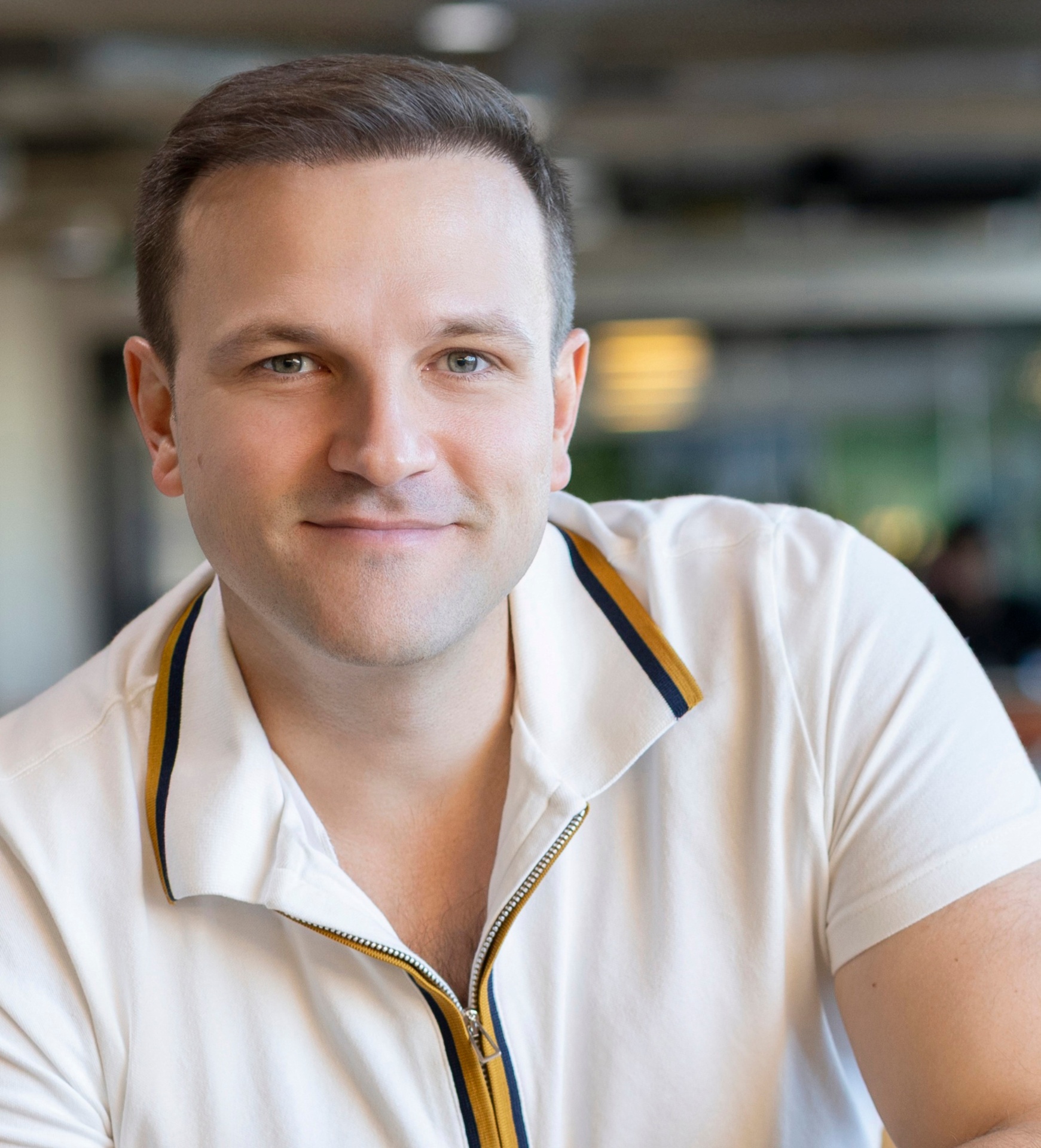
Frank Licea
Frank Licea
Co-founder & CTO · Howdy.com

Frank Licea is the Co-founder and CTO of Howdy.com, a hiring platform connecting companies with software engineering talent in Latin America. With a background as an engineering leader and product manager in Austin, he co-founded Howdy to solve the talent risk he experienced firsthand. After joining his co-founder with a 50/50 equity split, he helped bootstrap the company to profitability before leading it through Y Combinator (S21) and raising a seed round and an $18 million Series A.

Questions answered in this episode

References & resources

Hosted by

Jason Kirby
Jason Kirby
Host · Founder, Thunder.vc

Podcast host, angel investor, and serial entrepreneur with 4× exits ranging from small businesses to VC-backed tech companies. Jason has been personally involved in over $100M in transactions and now helps founders close their next transaction at Thunder.vc, from pre-seed rounds to $100M exits. He coaches founders through their next major transaction and gets the deal done by introducing them to the right people in his network.

Apply to work with Jason

Full transcript

welcome to episode 30 of fundraising demystified today we have Frank Lua co-founder and CTO of Howdy a tech enabled Staffing firm that helps company staff software Engineers from Latin America they've raised an $18 million series a from great Croft obvious Ventures Surly after graduating y comic breake walks us through what it's like to differentiate their offering in a highly competitive market to attract venture capital and get accepted into YC after bootstrap the business why and how he joined as a technical co-founder of an early stage startup and his strategy to securing a series a round in a difficult fundraising Market as a reminder to get notified of our weekly podcasts and newsletters Please Subscribe at join. thunder. VC again that is join. thunder. VC down onto the show everyone welcome back to the show today we have Frank Lu joining us today from howdy. comom thanks for joining us Frank hey Jason thank you for having me yeah I know I'm excited to hear your story uh let's just go ahead and Jump Right In can you tell the audience a little bit about you and what you're doing at howdy yeah absolutely so welcome everybody my name is Frank liso I am the co-founder and CTO of howdy. comom howdy. comom is a hiring platform it's focused mostly in Latin America so if you want to hire software developers or customer support and so on you can go to our platform we make it happen so we've got the local logistics for the U for the hiring the play a role in benefits equipment and offices whatever a team needs to really expand their operations around the world why'd you start it what's your background what led you to get to that point and um you know kind of tell tell people a little bit about your technical background as well and and how that influenced your ability to to laun howy yeah absolutely so my journey here started with uh it started around 2015 in Austin so that's where the company is headquartered it's where I lived and in let's say 2014 2015 around those years so a few years ago Austin started to get really really hot in terms of competition for for talented people and so this was a problem I experienced firsthand as an engineering leader trying my best to hire software developers retain them Not only was the Market getting hotter and hotter in just Austin itself but contributing to that were companies like Amazon Google Facebook meta it all the all these important tech companies moving into our uh City very quickly in the span of a few years driving up the price of software developers um making it harder and harder to retain them because they were jumping uh ship from place to place and at the time I was a product manager myself so I ended up being on the hook for um uh I was on the hook for deadlines essentially for product releases for new features and so on and you can imagine how hard it is to hit a product deadline if key members of your team are rotating in and out because they're being poached by a bunch of other companies or a bunch of startups uh you know when all those companies come in it also brings in a lot of venture capital so there's new startups tons of of frothiness and so on and so I essentially the problem I had to solve for ourselves were it was a talent risk I I just didn't have access to the talent that I needed usually when people think about hiring outside of the US they think salary Arbitrage but that's a really limited way to look at it and besides when you find somebody talented you're going to realize that their salary expectations are going to be rivaling anybody in the US because they know that they're good so this really was back to Talent risk how do I mitigate the talent risk and we started howdy essentially because uh I was looking for good software developers the good software developers weren't interested in working on uh or putting themselves out on the freelancer platforms because finding quality teams was at least the way they explained it to me was pretty spotty because everybody can hire on those teams and so you might not have the best access to the most sophisticated teams where they treat you the best the best teammates also didn't want to go work for the big Outsourcing firms which was one channel to get access to them because the big Outsourcing firms also maybe they're not so Tech oriented or developer oriented so I couldn't find them there either and so essentially that you know the the best companies in Austin also didn't they weren't going to build amazing product teams with an army of Freelancers they also didn't want to work with big Outsourcing firms because they weren't going to Outsource the I don't know what do we call it like the values and culture the engineering values and the engineering culture of Silicon Valley right that that's something you can only find in California or or so we thought uh and so that's that was essentially the idea of of how.com it was could we build a platform that has expertise in local Logistics so that teams can recruit hire maintain retain provide offices for provide benefits and bonuses and so on for their own teams in Latin America so uh so they could work with them as though you know as though they were just one team so that that was the why we ended up coming to this uh to this problem we just had that problem ourselves and yeah you guys chose to bootstrap the business before ever kind of chasing down Venture Capital um and you know pursuing y combinator so what why did you guys bootstrap it and and to what point did you guys get the business uh for bootstrapping it we decided yeah absolutely so we decided to bootstrap this um honestly if I'm thinking back on it I think it's because it's not particularly sexy and and uh we didn't I at least I didn't think that anybody would be interested in in investing in a service oriented company right so yes we have software and we've got a platform and it's more sophisticated all the all the time but essentially it boils down to hiring people and Staffing them and the the economies of scale there are completely different than a a total total SAS product so but we could see we could see how profitable it was to hire one person or or when a company hired one person using our our service we could see how much what the the margin was how profitable that was and we could see okay we can extrapolate and say if we wanted this kind of Lifestyle for me and my co-founder then we just need to grow the business this much and both me and my co-founder had always wanted to be business owners we'd always wanted to be Founders we we'd been burned working for other startup companies in our careers especially here in Austin and not really coming from that that uh like traditional entrepreneurial background neither me or my co-founder um you know grew up as teenagers being entrepreneurs or Hustlers you know like you see on YouTube where you find those people that are 20 years old and they've got a $2 million business uh because they they've been hustling and since they were 10 years old that was definitely not us we were definitely paycheck driven risk reduction and so on so uh it was just the most natural counterintuitively it was just the most natural way for for us to do it it's it's not a very sexy business we want control over the business its growth its strategy we're tired of being beholden to boards and investors uh by the way that we experienced it being early employees at other startups you know one of the worst experiences I can hear and I we try not to say this but you know the company needs something and then you hear from the founders oh well I you know I got to get this the board says we need to do this or I got to get this approved by the board right we we didn't we never wanted to be in that situation so that that was that's that's why we decided to just bootstrap it from the beginning and thankfully after you know 101 15 uh years of career as ourselves successful careers not entrepreneurial careers but successful careers we had some money saved in the bank and some visibility into how much of our own personal money we'd have to use before the business was able to pay us so that that's that's why we decided to bootstrap it was kind of a combination of control and our own Twisted way of reducing the the things that were risky to us when did we decide to finally boot uh take outside money and grow it bigger it was it was when we got the opportunity to join uh Y combinator and I think that's what really change the equation for us because we we grew the business to about um we define success of our business by the number of people hired on our platform and so we needed about 50 50 people hired on our platform for us to start to be able to pay ourselves and when we started to approach that number we thought hey um this is fun and all this is great like we're we're we're growing the business we're we're learning a lot we still have control over it but two things one it we've worked for YC companies before we saw the The credibility it lends the visibility it can lend to businesses the access to investors and mentors and so on so you can see how if you have a seven-year plan maybe through the Y combinator Channel you can make that a two or three-year plan right not guaranteed but maybe and then the other is it's it's a lot of fun to kind of change perspective where in one hand or in one view the objective is to build a a lifestyle business that pays me and my families and our and our immediate our colleagues well on the other hand it sounds a lot of fun to take over an entire industry or an entire Market to to be a huge player on two continents in North America and South America that's a completely different ball game and I think you know once we started to approach that that that that growth level um um once we we got the opportunity to join ycombinator that's when we really had to pause and think about what we wanted to do no and I guess and from your perspective Y combinator is probably a a business development as well because all the companies going on to raise money through y combinator could ultimately be uh customers for you guys as well was that part of the thinking in addition to raising the capital or was it mostly just to raise the capital and kind of change up how you guys originally thought about the business that's that's a great question um actually you know I I I'm not sure that we for us for for me and Jacqueline I think just being part of Y combinator was a was good enough um never mind the potential business development opportunities however a little bit of trivia uh all all all respect to all my uh my YC uh companies and everything but what we've discovered is that tiny tiny you know like preedee or pre product Market fit companies tended not to be our our bread and butter and and really very very risky even for companies like ours for for hiring platforms so luckily luckily we never looked at the opportunity that way and it was not an important part of our business development strategy or an acquisition Channel because it ended up being that the the companies that ended up finding our services the most useful were I I don't know maybe a little further along maybe like post series a and series B companies that needed that were big enough to see the need to expand operations on in a different country but not quite big enough that they could just do it themselves so that ended up being our our sweet spot that'sa and you know something want to talk about is you know you're you're the technical founder you're the CTO um and Jacqueline is the the CEO I guess how did you guys you know meet and you guys kind of gave a little founding story but you know as far as you know coming in as a technical co-founder that's the holy grail for a lot of Founders that are trying to start business and you know they're like I got an idea but I need someone that actually can it and scale it and knows the technical side you what kind of right you together with Jacqueline and what ultimately um you kind of LED you well we we heard the be the starting story but how did you guys come together and decide to to work together yeah I you know I get that question a lot too as a as a technical co-founder they're like Frank I need somebody like you or I need to you know how how do I get one and then they have like the founder day things and meet a technical co-founder all kinds of tools and things like that um so for me it was it was uh me and Jacqueline happened to work for the same company and not at the same time and it was actually kind of like I left the company and she joined the company and through it was I guess a little bit of luck through through mutual friends U I think what brought us together was that we had the we' experienc the same problem only from different perspectives she had she was on the hook for sales quotas but if the product team is turning people then it's less likely that she can hit her sales quotas with the promises for new features or road maps that she's using to try and close close deals and then I had it from like well I can't build it if we're we're we're turning uh software teammates um as far as like I don't know uh do you get questions like Hey how do I find that technical co-founder does your audience uh uh get those questions a lot it's a I would say especially for the early stage where or they're like do I go to a Dev shop and have them build it all but they don't necessarily have the dep you know the technical experience to manage that Dev shop and hold accountable so you know it's always I would say in that kind of early kind of Angel friends and family preed stage where it's Mission critical to have you know someone like yourself like a technical co-founder to be able to be all in and that's what a lot of investors also want to see when they're you know going out race they they want to see that box checked um so yeah like how you know what's your advice for for Founders trying to to find a technical co-founder it's it's not it's not easy it's really really hard I'll tell you what what brought me and and Jacqueline together and I think this is something that you probably want you know your your audience will probably want to find or see in in a technical co-founder Jacqueline and I I think one of the things that really brought us together is that we how do I put it like we're we're both very interest share a lot of the common value values for uh what business should be and I think that's super super key because if uh if a you're approaching a technical co-founder and they're for example Equity split right so sometimes I'll hear advice like okay I need a technical co-founder but I started this this this uh uh business and I've been working on it for a year now a year and a half and so if if I'm going to bring on a technical co-founder I'm I'm only going to give him like five or 10% or whatever it is and here's the thing uh I I probably wouldn't have joined and a lot of the nego so this is exactly what happened to me and Jacqueline so Jacqueline had actually started the business about one year before me but we had been talking about over a whole year like hey Frank I'm working on this thing I need I need a a technical co-founder and so on and two things had prevented me from from actually joining and jumping actually three things the the the first thing was that I was I was working for a company called disco that was on the way to an IPO so I wasn't going to leave that I wanted to leave on good terms with my existing team so set that aside I wanted to finish my work and I knew that was about like a one-year project um but additionally I I was a little bit nervous about saying like okay here's the thing if if I am going to give up my longstanding career as you know a software engineer a product manager and so on I'm not going to do it for you know a five or 10% Equity uh stake in in something that I'm I'm I'm going to completely commit my life to bring my family in for and so on uh in addition it if it was like a smaller stake like that it wouldn't have gotten the best out of me because then I would have gotten I would have given employee Frank and employee Frank is not the best Frank the the the committed the high-risk tolerance in some form in some Twisted form uh Frank is the the the one that needs like a 50-50 Equity split and that was almost you know that was that was very very hard for somebody who had been working on a company for for a whole year and so on so you can imagine that so that would be the first thing is are you ready to give give up the kind of equity that somebody that's very highly skilled is going to is going to need because you're not you don't need a a ask yourself do you really need somebody like a CTO who is going to I hope people don't cancel me but you know sacrif ice family sacrifice important events to be part of the company sacrifice Financial uh uh um immediate financial rewards to be part of this because if you don't really need that then you know maybe you don't need that that technical co-founder and then we can explore kind of Outsourcing and things like that so that was that was the the first thing is is is it is it are you willing to give enough to make it interesting I think technical co-founders are more and more aware of being taken advantage of also because the the CEOs and the the business savvy people uh you know they're very good at negotiating they're Savvy they're they're charismatic they're influential they're they're persuasive and so you can come on too strong for a technical Founders we like oh this guy's too slick I'm gonna get outmaneuvered and so on so that's that's you know that's one way to show that kind of a that kind of commitment to a true a true partnership I'm really glad I asked you that question you know I don't think I enough Founders do that uh they think they can they get so wrapped up in their head of like well this is my company yes um and ALB maybe they still remain the decision-making you know power but like there's got to be some real value on the table to especially because Engineers have options they can right Google snatch them up you know like all the big Brands will snatch them up at any time and pay way more than you could ever pay and the probability of success is much lower with a startup and so on uh and I think Founders don't you especially on the business side don't respect that enough um and have these types of conversations with um um you know technical people that could bring the kind of value they need to go out and actually raise Capital because I can tell you someone that helps people raise money if you are not if there's no technical Founders uh and you're building a tech company and you don't have the tech yet Andor it's all the money's going to be going do a Dev shop it is incredibly hard to get institutional money at any point in time you might be able to Comm some buddies but even those buddies are probably expecting you to go and get a technical co-founder where to get the money um and if you haven't raised a substantial amount of money like I'm talking Millions like million plus two million plus then the numbers you're talking about uh as far as making it more of an equal partnership I think are more than within reason you if there's like three founders okay then yeah maybe you know it's equal Su whatever um I think that was a great answer and I'm glad you shared you know your story there um so you guys get together you start working you bootstrap and you decide why combinator that's where we're going did you apply once and get in did you apply multiple times what was H what was that experience it was actually it was I think I think my third time applying um so first time getting in I think as part of Howdy it was our second time uh applying and and it was U it's not easy because it's not a like I was saying before it's not a sexy business it's not a platform it's not generative Ai and so on um but I'm sure you've heard this before even it's worth going through the process even if um you know it's if you don't feel like it's likely that you'll get in maybe you don't have the technical co-founder maybe you're just getting started the the questioner itself was a valuable uh day to to to go through to think in particular doing it with your co-founders are is everybody really on the same page because it's you'd be surprised how many times you know there was a question and Jacqueline and I had slightly subtly different answers with major implications and it was it was super useful to go through it together hash that out get on the same page and and keep going so um yeah it was it the first time I think uh the is a very useful exercise I think U it's it's uh sometimes I wonder myself is like uh what did they see in in the organization and we and I asked them too I was like Hey guys like you know uh when I when I when I see howdy I see like a software development agency or a staffing agency and I I don't see a lot of organizations that are just like staffing agencies and that that get tons of tech crunch uh media and so on in PR um but I think uh what really I think what really surprised me about the process and and them accepting us as a YC company was they especially at early stages even even with our company even if it was bootstrapped and operating for a little while I think what they see more is they see traction any kind of traction whether that's like retention for I don't know some Niche thing like you have high retention in Niche thing or um the the whatever that happens to be uh they really really key in key in in on because um the the business is probably going to change anyway the idea is going to Pivot a little bit the the founders are going to learn a little bit so I was actually really impressed that the the kinds of questions that they were asking were more along the lines of how are the founders uh getting together you know one of my favorite uh tactics that they employed was you know they would rapid fire a bunch of questions and then in the middle of it interrupt me and ask ask both of us which one of you is the CTO uh CEO right because they wanted to make sure because we came came at this as equal partners and from a bootstrap thing uh background like which one's actually in charge here and I thought that was really clever um because we both immediately answered jacquin she's in charg she's a CEO right going back to your other point like it's okay to to give up the equity because we're both in a agement that she will decide and you know will well that that's that's the only way you can steer a ship right there's no other way to make it work so yeah that was our experience going through through Y combinator and and it kind of culminated with when we actually got in some of my closest friends looking at me and like you guys are not a tech company or like a traditional product SAS company why did why are you guys in so I thought that was really interesting that's kind of what I thought was interesting about having you guys on the show was just kind of being being able to to share that albe it not the norm but still possible to to go down these pass and then once you get the check box from y combinator especially around the time like you're peak of Market coming in and uh everyone was looking for something new and different uh to throw money at and you guys end up raising about three million in total in your seed round shortly after doing Y combinator correct that's right what was your what was the fundraising process all right it's one thing to get accepted and icon that's always an accomplishment there's thousands of companies that apply and very few that can in um but did you wait till demo day did you you know raised before demo day what was kind of the process and uh uh strategy that you guys used yeah that's a great question uh we so we actually waited to just a just about a week or two before demo day which I believe is the the standard advice for people who go through that it was easier for us I have to admit and that's at least in in that particular batch or in that particular cohort uh and the reason it was easier for us to um raise is um number one we had a really strong story we had really strong traction and ironically the best time to raise money is when you don't need it right so the organ our our business had started operations in 2018 we had grown all under our own power we were profitable we were paying ourselves and it in in that situation the one or two weeks leading up to it you know the the standard process right they reaching out to the people who you know the like here are the investors that get the preview to demo day and those in and why combinator is brilliant in the way that they generate that demand and that urgency in Reverse where it's usually the invest the founders who are reaching out for those two weeks leading up to demo day and then the the maybe the few weeks after uh thankfully there's that urgency and so we had um investors coming to us uh at first we were we were the I guess the common U advice is to take uh the money from the people who are like expedient who are ready to give you money ready to go but uh what we noticed was that then the cap table was going to get really big and that was a lot of overhead so we were in a fortunate position to decide okay actually we're getting some we're getting some indication and interest from these bigger uh organizations like gray Croft who are more in institutional and so we decided in you know in our part in our process to actually pivot and put a little bit more effort in uh the the the firms that were offering more bigger checks and so we actually optimized for those rather than quickly closing the smaller ones that were that that were coming in so we we did that uh you know for us it was it was we the way that we did our process was a a little bit different because uh we you know we actually tried to avoid the standard pitch deck if for for those of you who are interested you can find my co-founders uh like she did a talk at Tech Crunch and it's it's kind it's a provocative name but it's something like your your pitch deck sucks uh we actually used a video so and what we did was we would have the the the initial conversations with the principles or you know the the lower level teammates that's right yeah and when they were excited of course they're like send me the pitch deck I'd like to take this back to my team and so on and that's when we would actually say no we're not sending the pitch deck here's a link to our video that walked us through the story and the pitch deck was you pretty you know here's the problem here's the traction here are the unit economics here's how big you know the pretty standard stuff and we would actually just uh kind of push back and say uh because people would reach out and say like hey love that you send the video I love the video but really like everybody needs to have a pitch deck everybody needs to this and that they're not even going to look at it without the pitch deck and you know one of the funny things is that that I saw during the process is how much um I guess posturing and and ego can be involved in the fundraising process we this this is all credit to to my co-founder right she completely values us and values our values our company and what I found what I watched was when she valued herself and valued us and valued our company by saying thank you so much this is how we do it if you're not going to do it this way then maybe we're not going to be able to collaborate at all I was actually impressed like you know off the top of my head something like 80 90% of people if they see you value yourself and what you're doing they will value you and kind of the harder part is Just Having the courage to stick up for yourself in that way and the people that really were like this is complete blocker they're never going to work with us because we didn't send the deck and we sent a video instead like maybe maybe they're not really worth the time and we didn't need the money so that was that was our process and our our tactic to to navigate that and it are working out for us yeah it's coming from a position of power when you don't necessarily need the money write that in there and uh you buil a healthy business at that point and had the flexibility to kind of say no which ironically makes VCS be like well no no we're we're flexible we're cool we yeah we can we can roll with that guys can we roll with that yeah we can roll with that it's it's it's a it's it's I think that's what's surprising especially you know the my background is in engineering later as a product manager so I definitely have the like technical brain and to see those social dynamics play out were really interesting and you know we uh yeah I mean it's it's a it's a dating process right it's just as uh it's just as complex as as dating which which I thought was really interesting did you know that most Founders waste days of their lives chasing the wrong investors well as a Founder you know your time is your most valuable resource don't waste it on the investors that aren't going to write you a check here at Thunder we built a free tool that identifies exactly which VCS are worth your time to pursue we score your company against 3500 VCS and family offices that have been vetted and are actively writing checks into companies like yours get your AI recommended list of investors that will look like this absolutely free by creating a free profile at thunder. BC you can upgrade to premium to download this list export it to any tool you wish and get their contact information and access the data on their portfolio companies to map out a path to warm intros and build your founder Network sign up for free at thunder. VC now let's get back to the show so where were you guys at post uh wcom raising this round if you don't mind sharing like what was a what kind of Revenue were you guys at at that point yeah so I our first so when we did the seed round we were at um let's see we had 30 about 30 developers uh so quick economics in my for our company um just gross numbers here for every one developer that we have on our platform we're we we gross about 100K right so that's uh that's that's gross uh out of that of course you take salaries and benefits and taxes and so on so we were at about 30 developers so you know 30 times 100K in terms of of of Revenue um then after our our when we started closing our series a that's when you know our our growth really took off and so we were doing we were at 171 developers on our on our platform um yeah that's that's I think that's pretty significant because it was only about a year it really took off but you know to be to be honest um I think what's what's interesting is it was during the the height of Co I think Co was a a mad time because we fell in that trap and I wonder if some of your audience fell in the Trap where we thought we were brilliant in our sales and our marketing when really we just had the Winds of remote work and uh remote teammates and the crunch for for talent that were pushing us right just pushing us along and then the correction happened right so we had a a a correction where all of a sudden hundreds of thousands of some of the world's best companies Google you know Facebook Amazon Microsoft just laying off people by the tens of thousands hundreds of thousands per month sometimes and so we you know to be just completely Frank we our company or business completely did take off which helped us put us on a trajectory for for something like a seriesa then comes a correction and then comes like that that what is it the the trough of Sorrow I guess you know that you see you know you get that uptick and then you know something changes in the market or maybe you're not as maybe you found this one channel that really worked well and doesn't work forever because people also move into the channel whatever the the the Dynamics are and so um we luckily we had um really understanding investors too right so these the investors that we have that that are on our board you know we were a little bit nervous too because like that that nonlinear growth stopped while the whole Market you know was flooded with new engineers and everybody's trying to figure out what the new value proposition for a hiring platform is when now you have your pick of the litter of more affordable Engineers so why would you need to you know kind of solve the talent risk problem right it's it's already been solved by the market uh dynamics of layoffs and so on but uh that's that's where that relationship with investors really really plays in because I remember walking into that first board meeting where we had to you know it was our first quarter where we didn't have that exponential growth and we were uh stagnating or growing linearly you know slowly and it was nothing but understanding it was nothing but like here's the big picture you hiring can be very cyclical there are booms where people are hiring there's things go lower and we got down to very tactical um a tactical level to understand what was going on experiments that we can run is it the ca like how does our Market proposition change and our unique value proposition change uh between the the height of the covid hiring spree and a place where you know it's now it's not now the the conversation isn't higher as fast as you can it doesn't matter how much it cost it's like you know people are are looking to C cut costs save money there's more competition H what what's valuable about us there and so re that that really taught me a lot about um you know you hear a lot of horror stories about like bad board meetings surprises during you know that those tensions and conflicts when the board isn't being managed correctly uh you need really have to choose your your investors correctly right index on that that cultural fit and how things are going to work when when everybody's happy things are easy but when people AR things are are a challenge when it's a challenging instance then you know those values uh really start to come out and you it's it's hard to kind of it's hard but not impossible to feel a little bit of of those things beforehand no and I think that's it's funny to see you go full circle to have the fears of having a board and seeing that play out at companies you were working at and choosing to bootstrap to then go on and kind of follow against that that narrative uh voluntarily but seeing it actually work on the positive but I think all that credit is really owed to to you and and Jacqueline your co-founder the sense of building a sustainable company like I'm bet everyone was happy to walk into that board meeting and still see growth yes maybe not exential but that's just the fact that you were not tanking like everyone else in their portfolio was especially like I I saw a lot of saic companies just you know eating dirt um it was it was tough to compete in that market um I fortunately had some friends that sold right at the peak and you know got out and they made a killing and then their businesses really suffered shortly after but uh you know if you build a great company there there's always some value there and it sounds like that's how you guys could preserved yourselves in that that state but um this was did you raise a series a before the collapse of the market or after the collapse of the market it was really um during during the the like the writing was on the wall we could see that things were were U uh happening that things were difficult and so on so I think that also was was what sort of um you know prev vetted those conversations like we we built this successful business it was it was profitable the unit economics were there uh I think we were starting to see that we had the the covid wins and yet the the story that we had told the experience that we had had the way we had um uh built everything still gave confidence to to our investors and our investors had a lot of um they had a lot of um I don't I don't Vision I I should say because they were also aware that to in the conversations that we were having we were preparing for for a storm and so our conversations were you guys you guys are profitable you get but would it be better to have to to be to to be capitalized for a recession in the United States right so we can see that you guys are working at a at a unit level what if we we built a war chest or a buffer to get us through two years or three years of of tough times and the reason I think they had that foresight was because uh our company was continuing to to grow even though at at a lower uh Pace on the flip side what they told their uh portfolio companies was directly harmful to us too they were telling everybody stop hiring uh do do don't raise uh uh salaries right now don't give out huge bonuses right now hold on to your money and so they can see both sides of the coin where you know they see they see the writing on the wall for what could happen here they're telling most of their portfolio companies to hunker down and then they come to us and they they they see how that impacts us directly but they but they know what it's like when the wind's shift again right and and really it was a bit of a a a blessing in disguise because it focused us on um learning to sell and Market this product our our our product in in a market where there in a market where the hiring is softer where it's pickier where the bar is much much higher in terms of talents and retention and so on and over over the last few quarters we've managed to really overcome those and so I'm I'm happy to report that although we're not back to the growth rate that we wanted uh you know preo or or during that covid Madness we we have twice as many customers as we had before so the and where in terms of just sheer size and revenue we're back up to you know where we were pre all those massive layoffs so the company and we can sell ourselves and Market ourselves much much better so overall we're much much healthier but it was definitely like U I don't know it was like a like a a one of those like self-reinvention moments right where you realize I've got to exercise I've got to eat healthy I have to have to go to the gym regularly and it's painful and it's hard but ultimately you know a year and a half later you're fit you have more energy you you feel more attractive and so on so we had to we had to go through that ourselves I appreciate you sharing that and sharing those insights and I think you know at this point what advice do you have for for Founders that are looking to raise and and seek outside Capital at this point um I I'll give the advice that end up working for us and I I know it's not possible for every um every business but it really really helped us to set aside the thought about fundraising for for a moment right kind of put your your bootstrapping company haton and how do you build a business that that is is profitable from the beginning again I know that's not that's not completely possible however there are some some proxies that are very useful and you know that's that's traction or letters of intent and you know things like that like uh you know what subscribers whatever whatever it happens to be that shows that there's there's value in in what you're you're trying to build um if you can yes be profitable don't don't don't be beholden to needing the money to accomplish your goals um the other thing I would say is it's it's at least for me and and my co-founder who didn't come from an entrepreneurial entrepreneurial background who didn't come you know we weren't very con Ed I was a model employee for so long um you know I had a lot of uh reservations about pushing back uh against suggestions from investors or um or or saying no or re rescheduling and things like that right like and and the reason was I I it kind of came from a scarcity mindset uh where you know I was used to saving tons of money my my parents showed me to save tons of money they they were also very risk averse no no entrepreneurs in my family and a scarcity mindset I think can um you can make it so that people don't value you if that if that sounds right so it's it was kind of a learning experience for us so I'm sure there are people in your audience who maybe have similar backgrounds who are boot shopping or companies and feel like okay I I don't have the guts to send a video when people are asking me for a pitch deck I don't have the guts to ignore investor advice uh you know this is another one where this one kind of bit us a little bit and that is where we um we sort of assume that the the advice that investors give because they have so much experience they have very important uh very successful careers themselves and are very intelligent people which um that the advice that they give must be correct or we have to in integrated in some such in in some way but we made the mistake um some of the conversations we had with some investors tried to spin or figure out a way to spin our business to become more of a more platform oriented more technology oriented right and we actually made a few in initial Investments thinking okay this is going to make us more appealing to investors and more uh which is going to make our lives easier and so on and you know we we ran experiments like that we had Investments like that we had a bit of a road map in our product to to you look more attractive to investors and you know what we found out is after those Investments after those initial releases it didn't really make the a difference it didn't move the needle right and I wish that in those in those instances I had had more you know more confidence in in what our vision was and what our strong opinion was uh finding that that balance uh and we would have stuck to our guns and we would have said look we're never going to be a SAS product we're not going to try to Market it that way we're not going to build a road map that way we're not going to build a product oriented engineering team like that you know spend millions and millions of dollars on you know uh product managers and ux designers and so on we're we're going to we're going to like you said you know use Tech where it makes sense invest you know invest in in uh uh people and processes more than we're going to invest in product oriented Technologies and so on and I wish we had had had uh more of that of that courage uh relying more on our Instinct and the things that we were seeing on the ground rather than than over you know uh uh over index on on you know investor feedback so that I think that would be one advice one piece of advice there no and I would completely agree I think uh when you're at a stage as a Founder where you maybe haven't figured things out that advice can be very impactful either negatively or positively and then when you cut to hit a certain inflection point your business is working taking that kind of advice could be deadly so yes that's right appreciate you sharing that so as we as we wrap uh Frank what what's the best way for people to learn more about you and uh and howdy absolutely so um you can find our website at howy uh.com so go ahead and check that out if that's something that's interesting to you hiring people around the world uh save some money find really talented people U if your audience is interested in how we bootstrapped how our families dealt with it how we budgeted uh please feel free to reach out to me at my email address that's the letter F how.com also reach out to me if anybody in your audience is interested in the reading whyc combinator applications or doing mock interviews things like that super super happy and if you yourself are raising money right now and you need something like like intros and so on please send me a little blurb and you know if my investors are interested I'm happy to make that connection but i' have uh so any any way that I can help in that in that way happy to do it awesome Frank that's phenomenal I really appreciate that we'll make sure that uh we'll leave your contact information for able to reach out to you in the show notes but it's been a great show it's been great to have a technical co-founder kind of share their reasoning for joining and hopefully Inspire Founders to be a little bit more uh conversational and you know kind of or forthcoming with uh with these opportunities with Co technical co-founders so uh thanks for being on the show and I look forward to getting this out to our audience as soon as we can appreciate it yeah it was a blast thank you thanks for listening to the show today we hope you learned something valuable and if you did be sure to let us know in the comments or by hitting that like button and if you're a Founder looking to raise Capital then join us at thunder. VC we provide a free tool to help you identify which VC family offices or lenders are the best fit for you using RI it will save you a ton of time from chasing the wrong investors and since launching our free tools Founders that have joined our Network have gone on to raise over1 billion dollar in financing again you can find these free tools at thunder. VC and as a reminder we release new episodes every week so stay informed by subscribing to our newsletter at join. thunder. BC again that's join. thunder. BC and if you or someone you know has recently raised around and want to share your story please email me at Json thunder. VC and that's our show we hope you enjoyed it and we see you next week