← All episodes
Jun 27, 202345mEpisode 4

How do you raise $48M from a tier 2 city?

The short answer

Trust & Will COO Daniel Goldstein breaks down the tactical fundraising journey to $48M, revealing how pitching over 550 investors and sending relentless monthly updates became their “secret weapon.” This process turned a San Diego startup into a market leader by treating fundraising as a numbers game, not magic.

Market Context

What 2026 exits actually pay for SaaS

Miro had $600M ARR and 250,000 enterprise customers. They sold for $1.79B — roughly 3x revenue. Their 2021 investors took a 90% haircut on their mark. This is the current market clearing price for quality horizontal SaaS. If you are building toward an exit, you need to know which multiple category your business belongs in — before your board does that math for you.

Highlights

  • Pitched over 550 investors to raise $48M, starting with 160 angels for the first $500k.
  • Sent monthly updates to a 600-person investor list since inception—their "secret weapon" for fundraising.
  • A strategic Series A investor's data science lab saved the company 14-15 months of marketing spend.
  • Tripled revenue in 30 days during March 2020, accelerating their path to a $15M Series B.
  • "The last $25M we raised was easier than the first $500k" – Daniel Goldstein on gaining traction and leverage.

The full breakdown

Daniel Goldstein, COO and co-founder of Trust & Will, details the six-year fundraising journey that scaled the company from a pitch deck to $48 million in capital. The process was a grind, starting with a $500k pre-seed round that required pitching approximately 160 angel investors. This was followed by a $1.5 million seed extension from 70 more investor pitches, a $6 million Series A in 2019, a $15 million Series B in 2020, and another $25 million in extensions through 2023. Goldstein emphasizes the leverage gained with traction, stating, “the last 25 that we raised was easier than the first 500.” Goldstein attributes their success to a disciplined, high-volume process rather than a pre-existing network. “We have a list of investors that we've pitched that's almost 550 people long,” he explains. Their core tactic was sending monthly investor updates to this entire list—now nearly 600 people—since the company’s inception. He calls this their “secret weapon,” a practice that nurtured relationships over years and turned cold outreach into warm inbound interest for later rounds. This long-term relationship building was critical, as their Series B lead, Victor from Jackson Square Ventures, had been following the company for two years before investing. Strategic partner selection was another key lever. For their Series A, Trust & Will chose Boston-based Link Ventures over two other term sheets because of their connected data science lab, Kogo Labs. This partnership wasn't just capital; it provided a tangible operating advantage. “It saved us about 14 to 15 months just by working with their data science team,” Goldstein notes, an invaluable acceleration for an early-stage company. This preparation allowed them to capitalize on the massive tailwind from COVID-19, when the business “tripled in 30 days” in March 2020, creating the perfect narrative for their Series B raise that summer. The journey was defined by resilience through early-stage uncertainty. While raising their first $1.5 million, Goldstein recounts a pivotal pitch at a major Silicon Valley firm where one partner appeared to fall asleep. Feeling mortified and certain they had failed, they were shocked when the firm’s contact followed them out and offered to take the remaining $500k in the round. The experience solidified his belief that fundraising is a game of persistence and volume. “The more you show up, the luckier you get,” Goldstein states. “You need at bats to be able to see pitches... you gotta get to the plate as many times as you can.”

Who's on this episode

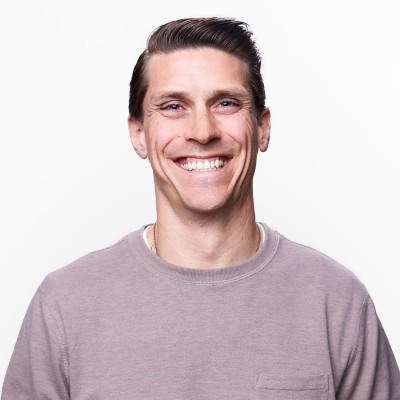
Daniel Goldstein
Daniel Goldstein
Co-Founder, President & COO · Trust & Will

Daniel Goldstein is the Co-Founder, President, and COO of Trust & Will, a digital-first estate planning platform. He co-founded the company in 2017 after identifying a need for a modern, accessible solution for creating wills and trusts. Under his leadership, Trust & Will has helped over half a million families and raised $48 million in venture capital from investors including Jackson Square Ventures, Link Ventures, and Northwestern Mutual. Prior to Trust & Will, Daniel worked in custom software development and is a graduate of the Techstars Anywhere accelerator program.

Questions answered in this episode

References & resources

Hosted by

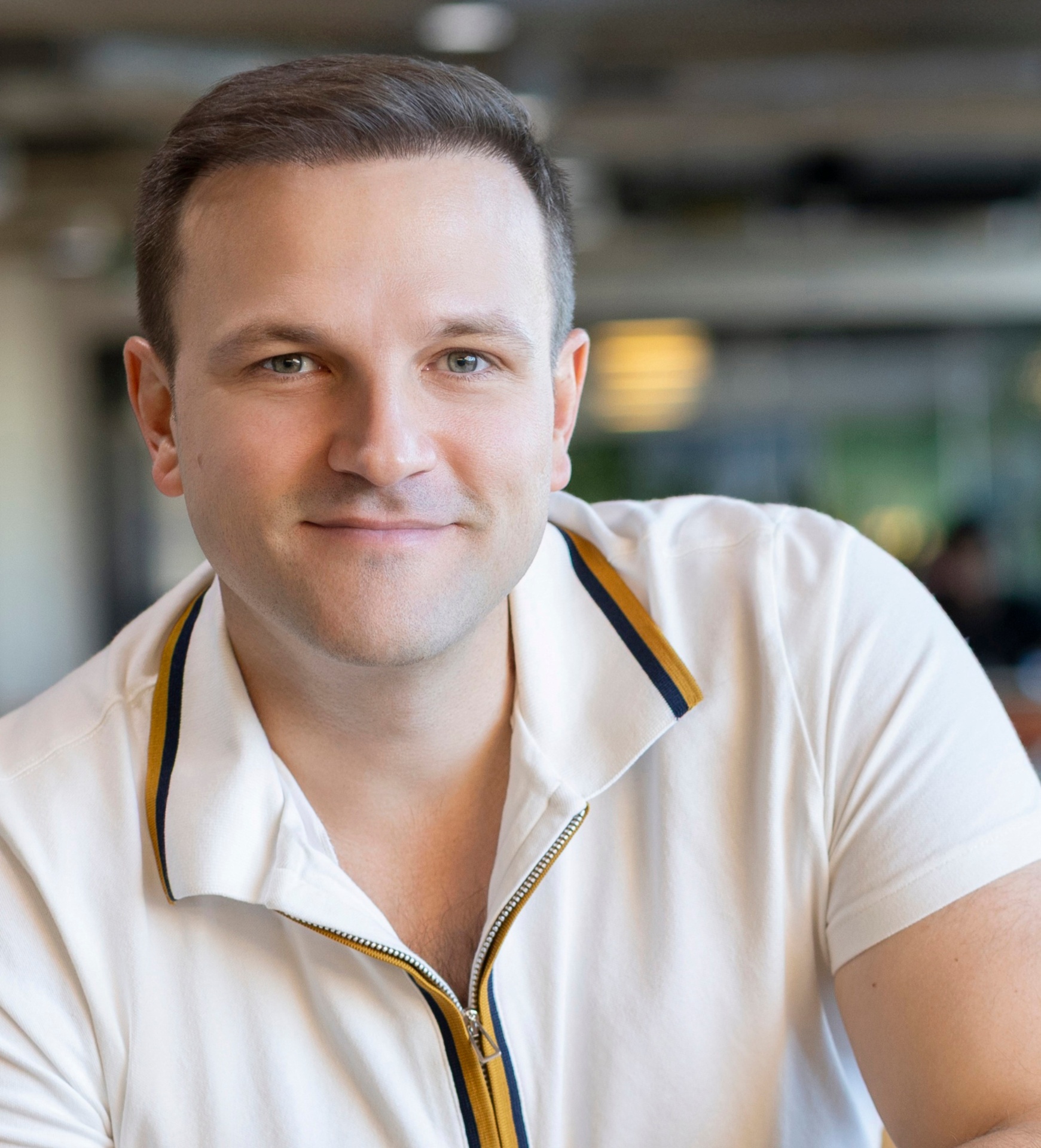
Jason Kirby
Jason Kirby
Host · Founder, Thunder.vc

Podcast host, angel investor, and serial entrepreneur with 4× exits ranging from small businesses to VC-backed tech companies. Jason has been personally involved in over $100M in transactions and now helps founders close their next transaction at Thunder.vc, from pre-seed rounds to $100M exits. He coaches founders through their next major transaction and gets the deal done by introducing them to the right people in his network.

Apply to work with Jason

Full transcript

every entrepreneur I talked to in the early stages it's just like you need at-bats to be able to see pitches that's how it is and so you got to get you got to get to the plate as many times as you can pitch your friends pitch your family pitch your your neighbors pitch literally everybody because that helps you get your pitch down it helps you understand what your audience cares for and then you get introductions welcome to fundraising demystify the podcast where we uncover The Untold Stories of successful Founders who have raised Venture Capital to bring their Visions to life join me Jason Kirby your host as we dive into the Hidden Truths of the fundraising game we'll explore different strategies tactics lessons learned from these entrepreneurs who have figured out how to win the fundraising game in their own way whether you're a budding entrepreneur just getting started or an established founder looking to scale your business this podcast equips you with the knowledge and inspiration to conquer the fundraising landscape welcome to episode 4 of fundraising demystified I'm Jason Kirby your host and today we have Daniel goodstein co-founder and CEO of trust and will the Turbo Tax for estate planning we're going to talk about his humble beginnings raising capital in San Diego to how they went on to raise over 45 million dollars from VCS and institutional investors Daniel and I will reminisce over the San Diego Venture scene and how it's evolved over the last decade and Daniel's kind enough to basically open up his book tell us what his numbers were at the various different stages of their Capital raise uh how many investors they ended up pitching in order to succeed in raising the subsequential rounds over a period of time and how it got easier and easier after each round and they continue to have great velocity and growth and success as a company this is one of my favorite sessions yet and I can't wait for you to listen let's jump in hey everyone this is Jason Kirby with fundraising demystified and I have Daniel Goldstein joining us CEO and co-founder of trusted will welcome Daniel hey Jason thanks for having me no we're excited to have you and you know to give you the audience a background and some color on you know what you know your background and the history of trust and will can you kind of just share a little bit of the story yeah for sure absolutely so at trust and we'll we're building what you'd imagine as the Turbo Tax for estate planning right we we set out six years ago to make estate planning accessible and affordable for every person in this country and my background personally was in custom software development and strategy and business development and as I was going through life stages along with my co-founders we were going through life stages we realized that there was no company in the space that we felt like we trusted uh that appealed to our demographic and then also um we're looking at the marketplace and we were like I wouldn't use really anything out there and so we started trusting will we wanted it to be affordable and accessible for everybody and we've been doing it for six years have about a half a million families that we've helped so far and our missions to help every family leave their legacy now it's a great story and uh you know something I wanted to kind of unpack a little bit is just the fact that you guys were you guys were founded in San Diego correct yep um and so you know in that Journey I'm originally from San Diego I went in race capital in San Diego and it's you know kind of considered a tier two Market when it comes to uh Venture Capital what was it like kind of starting uh the company in San Diego why'd you choose San Diego and you know kind of uh share that story for sure so I'm originally from Chicago I moved to San Diego um to take a job in custom software development and so when I got there uh the I would say the tech ecosystem was in its early days this was I moved in 2015 we ended up starting trust and will in 2017. and I had made we had made community in San Diego and let me tell you San Diego has been amazing to us absolutely like uh we talked about a a city that has surrounded us our from the very beginning of the company we started the company from a pitch competition put on by San Diego Venture group okay that catapulted us into introductions to investors in town into Tech Stars the tech Stars managing director for techstars anywhere was at the pitch event his name is Ryan Cooter he saw us at the pitch event he's a San Diego and he said hey you should apply to techstars we're like okay so then we went through Tech Stars and as we went through it we raised money through San Diego Angels like they surround us but I will say like this was the early days of San Diego Tech like now you have a ton of unicorns in San Diego you have some amazing entrepreneurs who are building huge companies that are changing the world and we were really lucky to be right on that upswing of when people were starting to look investors from La San Francisco New York they're all starting to look at how do we get out of the Bay Area how do we get out of the major markets how do we get different valuation structures and so there's a lot of attention down in markets like San Diego and other markets too Denver was getting a ton of attention Austin is getting a ton of attention even if you look across the U.S you had places like Chicago and Columbus other places that are getting a ton of attention so so anyway San Diego has been amazing to us we are so grateful to be a San Diego company we still are we're fully remote but the majority of our team is still in San Diego and we consider it home no that's great and it's great to hear because you know when I was there back in 2010 to 2014 raising money it just was uh you know just the ecosystem wasn't ripe enough to to support a lot of Founders coming in that's you know hence why I'm here in New York but um you know so you kind of mentioned that you guys got your Starwood Tech Stars and well the you know sending Adventure Community got the idea rolling got some introductions started making things happen you know is did you guys have a product before you got a got momentum on that front no uh we and so when we entered the pitch competition in we entered in August of 2017. all we had was a pitch deck and an idea that that Cody and I had been rumbling on Cody my co-founder we had been basically like whiteboarding what the future of the entire industry could look like based on what we've seen in in software and we were just blown away that this hadn't been done at a level that we thought which is like an industry-leading brand at scale that people recognize immediately like they recognize Turbo Tax okay and so uh we only had a pitch deck and we had an idea and we had assembled a small team and we we knew we were going to run fast after a big problem and we had started to raise cash and and so we had started to move that direction but we didn't have a product until we had we were like exiting Tech Stars and so we built we were building our first version of our our basically wheel based and it was just a quick it's an easy way to make a will online and we built that from basically like November through uh April and we went through techstars in January through April that's great and so basically what it sounds like is you really kind of tapped into a market that was just massive opportunity not a lot of attention or you know Major Brands addressing it like for me with my you know trust someone else you know going to a lawyer paying thousands of dollars you know lots of paperwork back and forth and you know being on your site you know it's like you know more of like filling out forms and just like you know going through a pro a UI experience that's more tailored to all different possible cases so it's very intuitive for and more accessible you know for a lot more people that just want to have a safe way to make sure that they're taken care of after the you know they're you know an unfortunate event you know might happen um and you're going through the the fundraise experience so you guys graduate techstars you get the product to Market kind of what was the the growth from there like kind of from uh both product customers to you know raising the next round yeah yeah so so what are the benefits that we have as a company is that our our the problem that we're solving is very easy to understand like when we tell people that we're doing we're making estate planning easy they're like oh yeah that should be easy right they think of an attorney they think of an office they think of expensive they think of it inaccessible and so so from the start that's one of the reasons that I think that we could get going in Tech Stars and that we could get going with investors really easily because we could say hey uh we're making estate planning Wheels Trust online easy and they're like oh yeah that makes sense then the next questions that were on their mind was always like well what's your go to market and what's your pricing strategy and how do you know you're going to be able to acquire customers and what about you know willing.com and tomorrow and Free Will and like these other people who were trying and had raised cash in a similar area so then we it wasn't like we had to explain the problem I find oftentimes in the early stages of uh I I work with the and alongside a ton of entrepreneurs and especially through our techstars community and the local community in San Diego and Dallas and like the problem if I I kind of struggle to understand the problem it's gonna be hard for me to be an investor in your company and so our problem was really easy the solution was pretty direct and so then we got to the mechanics of like how we build the business and so you know you're asking about what did it look like so we raised a half a million dollars as we were going through Tech Stars including the tech Stars money that they kick in for the accelerator we we raised it we raised like half of that going into Tech Stars and then techstars kicks in um I think it's 150 000 uh if you want it's like optional the there's you know you give them Equity as part of the techstars program and then there's an optional note that you can that you can take cash on a note and we took it and then and then we raised a half a million dollars and that was through pitching I think we pitched like 160 Angels throughout the course of a six-month period of time okay and so then we had a half million dollars and a half million dollars doesn't get accompanied very far as everybody knows right and and so especially a company that like just launched products we launched a product in April and it was our first wheelbase estate plan I remember when our first will customer came in it was it was right in May it was the first person we didn't know okay and we still have a photo of like that person's will I don't want to share the name but like we still have a photo of that versus will be like this is the first one it's like like we didn't know we had a lot of friends and family that went through it and so our goal at the in the first round is to prove our concept that's it it got a half million dollars to prove that you can go out and get somebody to buy your product that hasn't bought your that you don't know and in our business it's a direct consumer so you have to prove that you're one of your direct consumer channels works and so as we were as we started to scale some of our direct consumer channels we were on all the like kind of easy ones to start off with we were Facebook we were advertising on Facebook we were running a couple like small Partnerships and we were trying to prove who is our Target demographic and what we realized is that is that moms from the age of basically like 35 to 55 who have kids in the home are the primary drivers of estate planning activity they just are dads get involved because they have to get involved and there are definitely dads out there that get involved like you know even if they aren't forced to but what we found is that almost every mom has an experience where they wake up in the middle of the night after they have their first kid they look over at their husband and maybe you had this experience with your 18 month old and and and you know your spouse says to you what happens if we die never thought about that as a guy never thought about it I'm in I'm in estate planning I I still never woke up and did that and so so that's so that first half million dollars was figure out your who is who are you selling to who's your ideal customer profile figure out if you have product Market fit okay and then figure out a little bit of scaling channels so then we raised a million and a half dollars um and so that would be so we raised like the half a million we closed that in like April and then we just extended the note it wasn't like we did like like the first one was like on a four million dollar uh a note right like on a cap we just extended that to six like it's like we didn't even do that much more and and we raised a million and a half then okay and so to get the million and a half we had to we had to pitch I think we pitched around 70 investors to get the million and a half and all we needed was one lead and we did that over the course of the summer and we were showing them our metrics our products and market like all of these like early early things but really they're still betting on us they're betting on our our ability to do it and so like Revenue wise like I don't I don't even remember what Revenue we were doing that I think in our first year we did like um in 20 18 we did a little less than a million dollars in revenue and and so we hadn't like we didn't hit like a million dollar run rate or anything like that like until 2019 and when we we raised our series a the next year and we had hit a million dollar run right and we're like we're a million dollar run rate look at the tracks that we've done over the last year we've shipped a wheelbase plan we shipped a trust-based plan here's our ideal customer profile here's what our cack looks like here's what here's what our LTV you know kind of looks like and so that's by the time we got to series a we had a little bit of data behind it but that's what the seed Capital was for I I think of Angel to figure out you prove a concept and your um your like go to market then you have then you then you want to bet on that so you raise a little more money now you're betting on that seeing if those hypotheses work and then if those hypotheses work your series a is to accelerate everything you're doing no and that's 100 accurate in terms of that having you follow the steps exactly as you know what most Venture backable companies that have momentum that have kind of figured out the product Market fit aspect and executed across that especially as you mentioned like okay you raise the seed to kind of get to that million dollar Runway which is that kind of arbitrary magical number that kind of triggers for Xperia's arrays um but you're smart in the sense of like you've got all your stats together and I think that's a lot of things that Founders don't realize when you're series a ready like you got to have your numbers like you're now looking at growth you got to be able to say like you give me a dollar I make five um and be able to kind of have that calculation very easy uh easy to for uh for VCS to be able to calculate on their own and then so you raise the series a which uh you know correct me again how much you guys raised for the on the series A uh six million so small in in like New York or San Francisco at the time that would be considered like a really it would be considered like almost like a seed ground because this is 20. so this is 2019 when we did our series a and so like we were calling it a series a and people in like non you know they were major markets are like that's cute yeah and it's funny is like I remember that because like you know I'm still involved like the alumni community in San Diego State and I saw the news coming through like everyone's celebrating that you guys raised the series a I'm seeing all these articles and people I follow uh sharing it and you know it's just it's funny because like there's a million deals happening in New York million deals happening in San Francisco and they just kind of you know become noise but you know for you guys it stood out because there's just not there weren't a lot of you know San diego-based companies coming out and getting to a series a point um now the last day on tour you guys are now where you guys I think we have raised a total of 38. um so kind of walk me through 48 oh four that's 48 nice okay um yep so kind of walk me through the the rest of the you know kind of Journey and share what you can uh on that front when it comes to kind of getting to that 48 million number yeah so series a uh we had a firm called link Ventures out of Boston who led our series a they're an amazing data-driven VC fund that's connected to uh it's connected to MIT in a lot of ways but they're connected to specifically they have like a a data science uh lab called Coco Labs which um is an accelerator for all consumer Brands they have the massive data warehouse so we loved them we love their data-driven approach we accelerated a lot of our consumer marketing by I would say it saved us about 14 to 15 months um just by working with their data science team which in the early days was saving like 12 to you know 15 months is unbelievable also a lot of money right like 12 that's 12 15 months of like spending on on ads to learn the same thing so uh then covet hit we raised our series a and then like uh five months later covet hit and our business tripled in uh 30 days and so we went from you know uh I think we were doing about a hundred grand a month 100 to 120 Grand a month in January of 2020 and then we hit March of 2020 and we almost we trip up so we did about 350 in March okay and this is like so all of a sudden the entire world is focused on debt and they can't go to attorneys and we have a product that's easy accessible online we did a lot of things during code yeah so like we were kind of perfectly positioned in that market to help a lot of families and specifically we also provided uh free estate plans for all Frontline workers we did it for teachers we gave away over 12 000 estate plans to any of the First Responders and Frontline workers just to give a little bit of Peace of Mind for the job that they were showing up as every day and so during that time I also had my first kid so it was a whirlwind for me um and so that so that kind of accelerated us into conversations that summer to raise another round and people saw like hey look actually we do believe that there's going to be a brand here that wins and we think that brand could be you and we think that like the convergence of um uh digital with online and look now you have everybody's default was online during covid right every single text stock was exploding and so then we started talking to people in the summer time about a series B which we were like I don't know if we we don't really do we have the metrics for it I don't know if we have the metrics for it and so uh we pitched I think we pitched like 20 or 25 firms in the course of like a week and a half we're like you know what if we're gonna do it we're gonna do it right we're gonna we're gonna condense all of the pitches into like one week and we're going to um and we're gonna do it so uh we had been talking with um Jackson Square Ventures for I think we had known Victor who uh led the round for two years at that point like he he had been coming down to San Diego and he was one of the SF Venture VCS that had been like looking at San Diego and specifically because Mike cran from San Diego Venture group had really nurtured relationships with all of these like off-market VCS that you know this is like why we benefited massively from San Diego because we got a lot of attention as one of these startups so Victor uh had been following us for a while loved what we were doing believed in our thesis believed in our go to market and let our Series be and again small series B 15 million right and and so uh 15 million series B that was in 2020 from 2020 to 21 to 22 we just continued to double or more than double our business every single year and so it during our series B extension in 2021 we raised 10 million from UBS and a few others kind of like contributed in but UBS they that we didn't go out and find that they came to us and said we really love what you're doing we believe in your thesis we'd like to invest so we extended our series B and then in 2022 you know technically we closed it this year but we also had the same inbound from a few organizations like Northwestern Mutual was already on our cap table okay USAA Amex and SCI who you know I I got a call out like Cody my co-founder is I think the greatest fundraiser of all time right he he drives all of these conversations I come in after they're they're warm and teed up and and talk about and brag about the to the work that our team is doing like and and so Cody nurtures these relationships so when I say inbound it's inbound because the relationship has been nurtured over a long period of time and so we raised another 15 million from Northwestern Mutual SEI USA Amex that closed in January of of this year and so but those conversations started last May so that's that's how it all adds up 500 million and a half six million 15 million 10 million 15 million and like the last 25 that we raised was easier than the first 500 yeah no and there's a couple things I want to point out for our listeners here of like the things that you kind of mentioned like you know number one I want to go back to link Ventures from Boston like choosing the right partner and that's something that I think a lot of Founders just like all right who's ever going to give me money I'll take it you know kind of mindset but when it comes to this firm that you mentioned like they brought immense value to the table this was not just a check uh and a babysitter this was like massive value-add in terms of accelerating your growth and and that's something that I think you know Founders need to look for when you're building your business is you know don't just go for money go for who you're gonna who you're gonna be in bed with for the next 10 years potentially and establish that that kind of relationship make sure it's a there's value on both sides and that and that's a rare case not most VCS have that kind of value to bring to the table so that's amazing to kind of hear that you got that um the other thing as you mentioned with Cody like establishing those relationships because again it sounds like with that one week when you raise a series you know raise the series being a week like you know that's pretty pretty impressive uh and it was on a whim and you know Grant it was the peak of the market so you know people can argue that it was easier in that that time frame because this money was flying like crazy and you had the perfect fit you know kind of the digital online platform when everything was you know going online and there's cash flowing everywhere but um it sounds like you're still very strategic like you you tested the markets just to kind of see what was out there you didn't want to like do the whole campaign and you know maybe let me ask you did you if it wasn't if you didn't get term sheets were you guys just gonna like get back to building or were you guys gonna try to hit the hit the road again on the fundraise for which round did the series be foreign yeah we we would have had to keep fundraising like it it was like we had we had gotten to the point where we believed we were going to raise and we had been building our company up to the point where that assumption was true and so if we hadn't raised our series B we would have had to go back to our strategic drawing board or go can or go figure out a fundraise because ramping up into it our business was accelerating so fast that we were that we along with the rest of the market right like favored growth over anything else and so we like we had a cash we had a cash out date and and so when we raised our B I think our cash out date was still 12 months away 12-ish months away and so it wasn't like it wasn't like urgent at that moment in time but we knew we're like well what's when are we going to raise next if we don't raise in that that fall we can't really raise in Q4 nobody raises in Q4 and then you got to raise in q1 right and so that cash out date gets a lot closer and as cash outdated closer your negotiation with investors gets a uh different it changes that's just how it is like when you need money it's hard to raise it when you don't need it it's easy to find and so I go you know going back to what you said about the series a investor so we you know during the series a pitch again like as soon as a pitch was harder than the series B pitch like like our our metrics nothing is ever where uh people want it to be and and no matter what your business does like I look there's there you you take a you take a curve and there's gonna be businesses that everybody's gonna invest in no-brainer the metrics the growth the team everything is exploding okay most businesses fall within this two-thirds majority curve right where it's like there's there's great things about it and there's and there's ugly things about it and you have to figure out I think a lot of investors are figuring out theoretically does this align with where they think the market is headed do they believe in the thesis of the organization and that's what they're betting at the series a because you have some metrics you have an LTV to Cache but again your LTD cat at that early stages is early like who knows if that can scale like who knows if like a million to five million dollar business can scale an LTV to cat do a 500 million dollar business like so you have to believe that there's something that's happening that's more magical than just the numbers that that are there and so in the series A picking the right partner was huge like Rob from link Ventures is still on our board right so this is this is three years later and and he's been an incredible Ally for us kogo Labs has been an incredible Ally for us and so uh you know you gotta be careful with that so we had three term sheets for our series a we ended up picking link I we I think we picked uh an amazing partner and we're we're incredibly grateful for them no and I'm glad you kind of got you know got on us there and kind of said like you know you guys had a good growth trajectory you were like a solid opportunity but you weren't like you know growing 500 mother you know anything like that uh you know be a slam dunk type deal and you can still pitch a lot of investors um but I think still the outcome shows that you're getting a couple term sheets kind of shows that you you've done something right you you built a good model and a good market and you're showing up you know that you have the the right data that it's worth a bet um and then you brought up some really key things and I think a lot of Founders don't understand of like you know they they look at benchmarks online like oh like a five you know three to one CAC ratio is really good uh yeah LGBT attack ratio but then what they don't realize is VCS have also seen that a million times but they also see it how it plays out over time and how those sometimes aren't sustainable you know especially as things get more competitive markets kind of shrink a little bit your target audience you got to find ways to expand and you have to get more aggressive to spend and they think that oh the more you scale the cheaper things get and that's not always the case and so VCS always have that that lens when looking at numbers and I always try to remind Founders like okay this might look good but you've spent 50 Grand proving this not tens of millions right um yeah ours like our acquisition numbers in the early days we were like VCS you got to check this out you got to check out our acquisition numbers like look what we spent on Facebook we spent two grand we're getting registration for like nine dollars like we got to do this like that the two two thousand dollars does it that's not that's not it like yes we were targeting the most uh relevant customer I'm getting in front of them and and that's not how markets are built like not everybody is like literally about to buy an estate plan that's just not how it is it says it's not always top of mind and then there's nurturing spilling it's like it's it's an entire life cycle of managing that customers um experience and I'm glad you mentioned that because again like Founders are like oh yeah the two thousand dollar number it says like to you as a Founder it means so much like it's such an accomplishment but when VCC you know a hundred of those a week you know it's just like it's a it's a different scale that Founders have to kind of reflect on and put themselves in their shoes to kind of acknowledge that yeah don't be offended when they say no just because they've seen it not work out many times but those stats are important in the early you know like you don't get to spending 200 Grand a month or two million dollars a month before you spend two thousand dollars a month that's just how it is so and if you're not spending the 2 000 well you're probably not going to spend 20 000 well you're probably not going to spend 200 000 well like you you have to work through the Hoops of building a business and so and that's what that's what these stages are all for these stages of capital they're they're stages of your business that you're building and everyone has its own uh complexities and and functions that you're going to wrestle with yeah brilliant said I love that um so you know something that I you know recognize is like the opportunity of trust and Wells was very clear because you know again wealthier people who prioritized it they have assets to distribute who you're raising capital from that you know have that experience and albeit you're potentially solving that problem for them but you're also bringing it to the masses like how did you guys kind of like scale up the market because like current spend on trust and wills versus what you know at least my assumption but you can correct me wrong is that you're essentially expanding the market you're making it more accessible for more people across the country um how did you kind of like come up with the the market opportunity yeah the market opportunity I think is one of the most overlooked functions of the industry that we're playing in and it is the reason that we have uh in our opinion such a head start because uh we believed in it prior to a lot of VCS prior to a lot of Market participants and I I so here's the thing people make assumptions about when people do Estate Planning and they're oftentimes wrong and if you go out and you survey people and you ask when did you do your first estate plan what you'll find is when they had kids and what people think about is people doing estate planning when they're old and so there's a there there's a gap there's a there's a gap in consumer understanding that um in our research in the very early days of trust and will we identified from our own experience we were going through life events getting married having kids and saying wait it seems like we would need an estate plan then we started talking to our friends and our family members who are going through life stages that are similar and they're it's on their mind all of them it's like life insurance it's not they're like oh it's an adulting function do I need to do it and so you're looking at there's 40 million uh families in this country that have minor kids in their home right now okay and so you're looking at the 40 million and you're like that's part of the target market then you look at it there's 90 million Americans who say that they know they need an estate plan but they haven't gotten around to doing it then there's another 100 million Americans who have an estate plan sitting like mine is right here in their drawer somewhere it's not digital mine comes for Justin will so it's digital but then we have to finish it offline right and so like so the market is massive there is there is like somewhere between six to eight million people who are doing a net new estate plan every single year regardless of whether there's advertisements or anything online they're going to find an attorney they're going to go online they're going to do it okay and 85 of those people still go to attorneys that's just how it is so the market that you're talking about expanding is we're expanding the online Market we don't even need to expand the estate planning Market we just need like like as we continue to capture more of the market we're continuing to capture more of the market that would go to uh usually an expensive uh an expensive provider um and and they experience a subpar right like the experience of doing an estate plan online with your spouse over a glass of wine while you watch succession is a lot better than just trying to arrange child care so you can go to a law office in the middle of your work day like it just the logistics don't make sense so the market is huge and I think it's understated oftentimes because the go to market is hard because customer acquisition costs in our Market is hard it's it is very hard you're dealing with procrastinating parents like yourself uh who may or may not have set up their safe plan yet because they may or may not be tired because they have an 18 month at home and they're trying to run a business and they're living in New York like there are complexities to life that prevent people from doing this that we have removed all the barriers for so then the next step is like how do you how do you tap into that and the our primary hypothesis has been to build an initiating brand that people trust recognize and um and identify with in the same way that that Turbo Tax did it for tax Turbo Tax has 40 40 of the tax Market 45 of the tax market right and so what does 45 of this industry look like because we believe there's going to be one winner and who who takes the majority so what does 45 of our Market looks like it looks like probably 30 to 40 million families who have used one platform to create their state plan they manage it through there and then when when they or one of their loved ones passes away they distribute it directly through our platform so like that's that's what we're building and we believe that like 30 to 40 million is is the 30 Market Mark you know because we know that there's 100 million people in this country with estate plans no that's well said and I think that's something that I want Founders kind of understand is like how to articulate your Market because that was not my impression you know I was an impression a lot of people don't don't do this and the fact that there's 100 million that already do is uh it was pretty mind-opening to me um so that's uh that's something that I think it's a Founder's job to be able to articulate the real opportunity and really understand you know who they're going after to be able to convince VCS because that makes that makes you venture packable and not Venture packable you know if you if you can't articulate that you know billion dollar unicorn potential and make it believable it's one thing for you to believe it but you got to make other people believe it and if you can't do that then you know in that case it's going to be very difficult to raise Capital um just because the way power law works and how Venture uh Venture capitalists work they just need to see that that 1000x you know type potential returns um so you gave us kind of the whole story of the the fundraise and you know really appreciate that and you kind of got into some of the inside some things were more difficult than others um you know what was kind of like a standout moment in your fundraise both a kind of like a a low and a high you know during uh during the race uh one story specifically comes to mind the million and a half really early company I mean we had seven employees were working out of a co-working space we basically were all in the same room the room smelled it just had it's like it smelled like takeout and food trucks and you know and then seven people in a room and we were raising this million and a half and nobody wanted to invest without a lead and this is a common problem in early stage where they say yeah sure I'll invest it just find a lead I don't want to have to set the terms and this is Cody and I were wrestling with this we're like What do we do here like we have we have more than two and a half million dollars of people who say they want to invest but nobody wants to invest without a lead so what are we supposed to do well we had um we finally ended up setting the terms with one of our one of the VCS that was not going to be the largest check but they were willing to set the terms okay and we we had flown out to San Francisco to pitch uh WTI Western technology which typically does debt financing and I always I always remember this and uh well first off because I had I had Curry the night before and so my stomach was like not in a good spot okay we we fly to San Francisco that's probably TMI for your listeners but it's just real life right we fly fly to San Francisco in the first flight out and it's it's a it's our first like major major pitch in front of a big firm with all of the partners and we get there and we're nervous Cody's hyped uh and we do our pitch and I I thought maybe one of the guys is gonna listen to but I one of the guys next to me in that pitch no joke fell asleep I'm not kidding like I fell asleep and like and look like the firm is amazing they've been so supportive of us and and maybe he was just very focused but I swear he was asleep and I'm like we've bombed this like there's no way that this is going well I feel mortified you know like out about there's a lot of uh doubt that comes in as a Founder especially um like I shouldn't be here I'm not a real entrepreneur like all of these things okay we get walked out John Biser is the the art of contact there and he's been fantastic and supportive since we started and and so he's like guys one of the best pitches I've ever seen like you guys crushed it you did amazing and I'm like there's no way there's no way like I was here in the room like I saw it there's no way that it went well he's like I promise you it went so well so so he walks us out and we didn't have a car we're not from there so we sit and we were like waiting for an Uber Uber says it's like eight minutes away I'm like oh my gosh this is so embarrassing we're sitting with our backpacks outside this like I mean WTI like back they gave internet to Facebook they're like a behemoth in the industry like and so and we're just a bunch of kids like trying to raise for like a state planning startup and John and and so we're nervous we're feeling bad we're just sitting there and John comes back out and he's like hey uh how much is left in this round and we had we had a half a million dollars left and we're like a half a million dollars and he's like okay great we'll take the rest of it and we'll send you the paperwork by end of day today and we're like we're having a moment where we we feel so fake right but also we're like act like you've been here before yeah sweet like yes you know like think thank you John like you were you know we'd welcome you on this journey with us but in the inside we're we're exploding right but then so when we sit there John goes back inside but we're like there's all windows on there on their office and we're sitting with our backpacks we're like What do we do what do we do with our hands you know like I don't even know and and we have to wait another six minutes for Uber to get there so we're just waiting and waiting and waiting and finally we get into Uber and we're like wait for it wait for him we like pull out of the driveway and like back onto one of the roads in Silicon Valley and we're like yes yes and it was so exciting so that was kind of like a low to high like I was feeling terrible in the morning I was feeling terrible during the pitch and and you know I I one of the things with with being an entrepreneur that I've said and this is just a life thing it's like the more you show up the luckier you get it's just it's how it is and I think fundraising is like that like you have to show up you have to give it your best you have to continue to grind and grind and grind and you know what the more you do that it's a numbers game the luckier you're gonna get like we have a list of investors that we pitch that's almost 550 people long okay this is a we're not talking we've been around that long like we're a six-year-old business right we we send out monthly investor updates on the first or second of every single month since we started the business to almost 600 people now okay so basically any investor that we've ever talked to we say hey do you want to be on our investor updates we'd love to keep you informed with what we're doing in the business and this is a secret weapon for us like everybody should do this this is a Tech Stars thing they told us to do this we didn't invent this ourselves and like and so anyways the Journey's been amazing but that was one of the early moments where I was like this is a crazy ride because it was high to low no brilliant I bet you wanted to kind of do the 80s high five you know jump in the air yeah the glass they're all probably looking at you like what are they you're just like that that pressure of just like oh I want to get out of here but uh I totally in real life in real life nobody cared they're all back in their office they're probably not even thinking about the page anymore because it's one of many pitches just in our world we're like so self-conscious because we think everybody obviously is thinking about us the reality is like nobody's thinking about you yeah to them is like Pocket Change you know like it's not a huge investment it's like hey we like these guys let's take a bet you know it's like all right back to work but it changed your life you know it gives you this massive window of opportunity and uh it's like this massive success moment and uh it's and it's just you and Cody as the founders correct and Brian Lamb who's our third co-founder as well yep um and so you know I really appreciate you kind of you know sharing this story and kind of sharing the background on you know both trusting well and kind of your fundraising history or Their audience like if you could uh you know leave any you know negative information for a Founder looking to raise their seed round or their pre-seed round you know what would be your advice to them yeah it's a numbers game and and so whatever number of investors you think you've pitched that you think is enough double it triple it and and then go back to the drawing board so uh that's it like every investor that I every entrepreneur I talk to in the early stages it's just like you need at-bats to be able to see pitches that's how it is and so you got to get you got to get to the plate as many times as you can pitch your friends pitch your family pitch your your neighbors pitch literally everybody because that helps you get your pitch down it helps you understand what your audience cares for and then you get introductions so you pitch and then ask for intros pitch and ask for intros and you just do that until your web is big enough so and just for context like we didn't come from we didn't have a we hadn't sold a company we didn't have a venture Network like we had to build everything from scratch and so it was it was a lot of grinding and a lot of pitching no yeah sounds like and then you know when it comes to you know the numbers game like how much did you guys iterate you know from the the deck did you have like deck version 45 you know kind of of course yeah yeah of course you you have to I mean like and we would pitch from Pitch to pitch sometimes we would change it you know and then sometimes we wouldn't change it for two weeks it just there's some things that you you find a groove on and then sometimes you're like this group just isn't working and you got to stay you got to stay Nimble but like you also don't want to I know this is this is probably the advice is that it always comes with contradictions like you you have to know what your the core of the business is and you can't change the core so yeah you wanna you could change how your you know go to market strategies Communicator you can change how your product is communicated and you can tell better stories so much just storytelling so like and and that's why like getting at bats is really important because it it hones your story more than anything you don't want to be changing your business in every pitch that's uh that's not gonna work very well no I would agree with that and then uh how did you guys go about finding investors and what was your first you know initial Outreach to to kind of get those you know that 600 people list you know investor list you know how did you go about kind of getting those first initial meetings uh Shameless Reach Out uh code I mean Cody is like Shameless when it comes to reaching out I mean like look we we started with people we knew anybody who had money we just thought hey who do we know that has money and who do we know that's in San Diego that has money and what about other Founders in San Diego that have had recent exits like how do you think like who who in the world has money that's what it all comes down to in the early stage and we just reached out to every single one of those people and then ask them for other people that have money and then did cold reach out on LinkedIn and cold emails and like connected with Venture groups and Angel groups and like looked at websites uh lists of investors and lists of firms and it's you know I don't know what's the what's the answer for everything like yeah we didn't start with a list of 600 right like it started with one and then we talked to somebody and it became two and then we talked to 10 people who became 11. like it just all of those are are you know conversations that happen over time and then and what happens is you start to build a network and that Network takes a lot of time to build it takes time to build relationships as you start to pitch in your seed round we were pitching series a investors and they're like you're too early but then we kept in contact with them and as we were in our a we're pitching series B investors and every single stage that we've gotten to it's been easier to get a hold of people um because our Network's grown and then our also businesses have more traction yeah so and at the end of the day like I guess that's always the key have a great business you know and focus on building a great business and uh you know things will yeah I think a lot of Founders might be working on something that they haven't really found their click yet and they go out to raise and um you know that could often be detrimental to their to their growth of you know chasing chasing money when they're not necessarily ready but um maybe who knows who knows when you're ever ready I don't know we're ready to have kids it's like you can you you don't you don't really like I I don't know if anybody ever arrives because your business is going to be ugly like our business is still has is ugly now like I mean it's beautiful in a lot of ways but like it's there's some ugly parts of it and that's the reality now that's fair and well Daniel really appreciate this time with you today uh where can our followers uh you know sign up for for trust and will if they they need to do their own Estate Planning and how can they follow you yeah trust and will.com really direct go there get your estate plan it takes 20 minutes if you're a Founder you definitely need one um and then me uh I don't know I'm on Twitter a little bit goldstein22 uh we are trusting Wills on Twitter my co-founder is a little more active on Twitter if you want to look at Tech stuff Cody Barbeau oh awesome well appreciate the time today appreciate the insights and uh really glad to have you on the show thanks Jason