← All episodes
Feb 6, 202542mEpisode 72

How do you weigh an exit vs. raising vs. bootstrapping?

The short answer

After bootstrapping his marketplace Bits for Digits to profitability, Laurits Just faced a classic founder crossroads: grind it out, take misaligned VC money, or sell. He chose a strategic exit to Flippa and is now building Flippa Invest, a platform designed to give founders a fourth option—growth capital from investors who actually support a sub-$100M exit.

Market Context

What 2026 exits actually pay for SaaS

Miro had $600M ARR and 250,000 enterprise customers. They sold for $1.79B — roughly 3x revenue. Their 2021 investors took a 90% haircut on their mark. This is the current market clearing price for quality horizontal SaaS. If you are building toward an exit, you need to know which multiple category your business belongs in — before your board does that math for you.

Highlights

  • Spoke with almost 100 VCs before deciding their incentives were misaligned for a business unlikely to become a $10B "dekakorn."
  • A VC will actively block a $20M or $50M exit because it won't return their fund. For a founder, that is a great outcome.
  • Used an unsolicited LOI from a competitor to create leverage and start a wider M&A process, leading to the strategic sale to Flippa.
  • Bootstrapped Bits for Digits to profitability with a lean team of 9-10 employees, half of whom were interns.
  • Flippa Invest helps post-revenue founders raise $50k to $1M from a network of 78,000 accredited investors who support non-VC outcomes.

The full breakdown

Laurits Just, founder of the partial acquisition marketplace Bits for Digits, bootstrapped his company to profitability after being inspired by a blog post from DHH of 37signals about selling a minority stake to Jeff Bezos. The company solved the problem for founders who wanted to sell a piece of their business without a full exit. Building the two-sided marketplace was a "slow grind," relying on targeted outreach—Twitter for the sell-side and LinkedIn for the buy-side—to gain traction. Once profitable, Laurits and his co-founder faced three distinct paths. The first was to continue bootstrapping, a path he admits he didn't have the "temper for" after years of hard labor without a significant external wave to ride. The second was raising venture capital; despite speaking with "almost a hundred VCs," they were wary of the misaligned incentives. Laurits knew Bits for Digits was unlikely to become a "dekakorn" (a $10B company) and worried a VC would block a strong, but smaller, exit. As he noted, a "$20 million or $50 million" exit is a great outcome for a founder, but for a VC, "that's not going to return their fund." The third option, an exit, materialized when a competitor made an unsolicited offer. This LOI provided the leverage and impetus to "eat our own medicine" and explore a wider process. Laurits reached out to Blake Hutchinson, the CEO of Flippa, who had been an early user of Bits for Digits back in September 2021. Having an existing offer made it "very easy not to seem desperate," leading to a strategic acquisition by Flippa, which was finalized in December 2023. This journey directly informed his new role building Flippa Invest, a platform designed to provide a fourth option for founders in a similar position. Flippa Invest connects post-revenue founders with Flippa's network of 78,000 accredited investors—primarily exited founders, operators, and family offices—who are aligned with more pragmatic outcomes. Unlike VCs seeking 1000x returns, these investors are interested in "a more modest return on capital, as well as some dividends" and are supportive of founders who may want to exit down the line. Flippa Invest allows founders to raise between $50,000 and $1 million in growth capital, filling a critical gap for businesses that are not a fit for the traditional venture model. It offers an alternative path for founders who need capital to grow into a larger valuation without taking on the pressures and expectations of institutional VC funds, creating a direct flywheel for Flippa's core M&A marketplace.

Who's on this episode

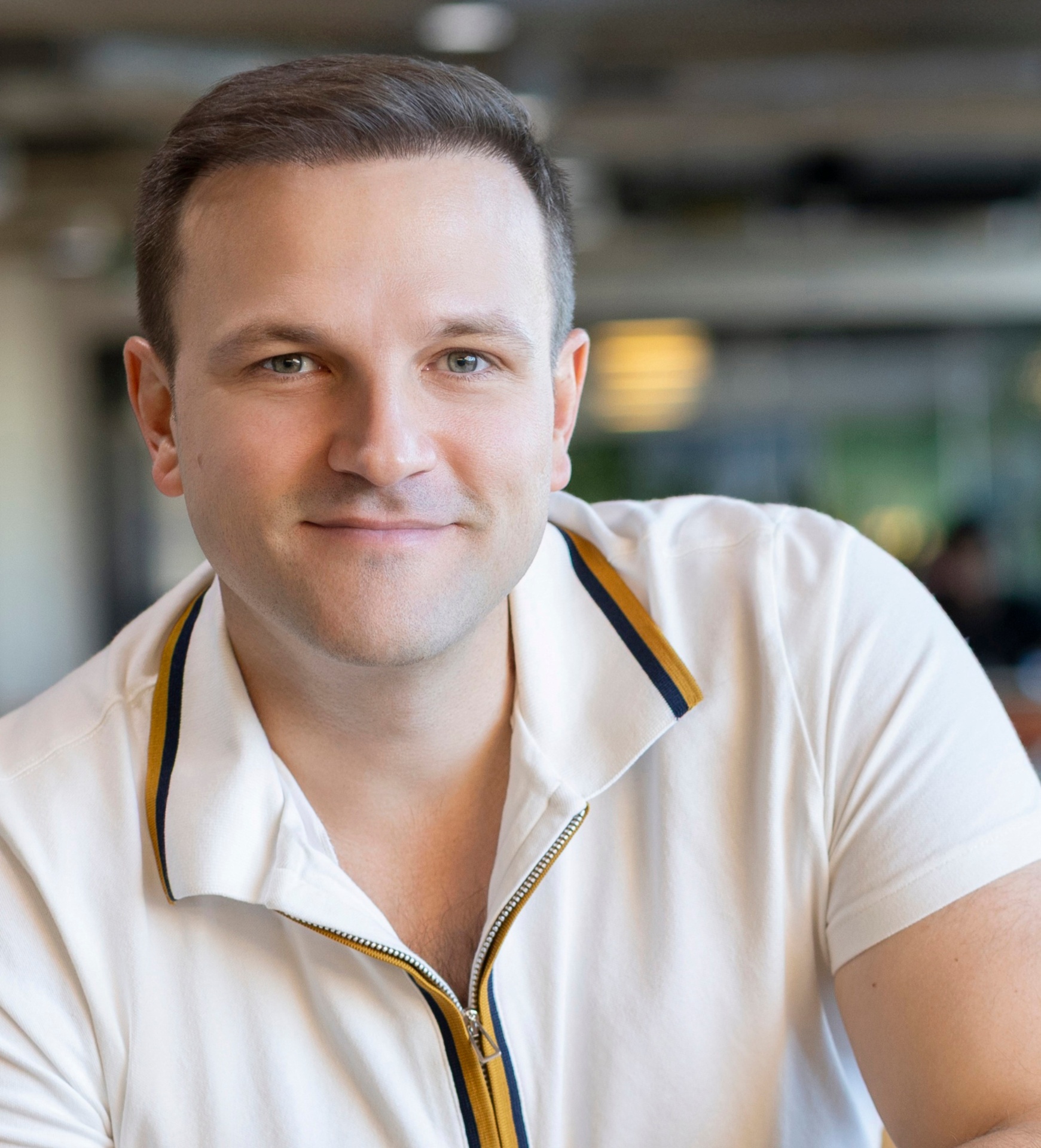
Laurits Just
Laurits Just
Entrepreneur · BitsforDigits

Laurits Just is the Head of Flippa Invest, a platform helping post-revenue online businesses raise growth capital. Previously, he was the co-founder and CEO of BitsforDigits, a marketplace for partial and full acquisitions of SaaS businesses. Inspired by 37signals' secondary sale to Jeff Bezos, Laurits bootstrapped Bits for Digits to profitability before leading its strategic acquisition by Flippa in December 2023. He now leads Flippa's expansion into alternative fundraising, providing founders with a capital option outside of traditional venture capital.

Questions answered in this episode

References & resources

Hosted by

Jason Kirby
Jason Kirby
Host · Founder, Thunder.vc

Podcast host, angel investor, and serial entrepreneur with 4× exits ranging from small businesses to VC-backed tech companies. Jason has been personally involved in over $100M in transactions and now helps founders close their next transaction at Thunder.vc, from pre-seed rounds to $100M exits. He coaches founders through their next major transaction and gets the deal done by introducing them to the right people in his network.

Apply to work with Jason

Full transcript

hey everyone welcome back to the show today today we have laurett just with us today former founder of bits for digits and now currently operating flia invest welcome to the show thank you so much Jason happy to be here let's go straight into it what was bits for digits yeah uh bits for digits was a partial acquisition Marketplace so you've heard of um full acquisition marketplaces like flipper or others um and and we were taking a different approach uh in that some Founders were looking to sell a piece of their business in a secondary but weren't interested perhaps in in selling all of it and that was that was the initial concept for bits for digits and what we what we did for a few years before also allowing full Acquisitions but we can get into that so why did you end up starting bits for digits and did you raise money did you bootstrap um we bootstrapped it uh and we started bits for digits actually after being inspired by a a blog post by a guy uh David Hein Hansen dhh as he's also known as who's the CTO and co-founder of 37 signals uh including base camp and how like the block post was basically about how they sold him and Jason his co-founder sold a minority stake to Jeff basos um in a secondary and so we were like well not everyone has Jeff Bezos on speed dial maybe we should create a a place for primarily SAS Founders to to do the same thing with high net worth individuals or strategics um so that's what we did it's pretty interesting inspiration story um and ultimately what where did you get bits uh how far did you take bids for digits before you ended up selling it to to Flippa so we uh we got to a point of uh profitability first and foremost um and I mean for for the first year we were basically uh using our savings um uh which we had saved up like working corporate jobs um but then we also got a bit of funding uh in Berlin in Germany where we where we where we founded it uh but we we got to a place where we had like Word of Mouth which was important um because that helped kind of relieve some of the direct sales that we were doing Outreach and all of that um and to a point where um we could like safely assure Founders that they were GNA get like a bunch of like negotiations started when they listed on the platform which wasn't the case in the beginning in the beginning is very like crickets uh so that was uh it's it's tough to get a two-sided Marketplace started and so when these Founders come on like how did you go about yeah let's talk about that problem in terms the two side of marketplace you know getting buyers to be aware that they could buy you know part interest in these companies how did you find the buyers I actually buyers is um if you have Supply it's it's h i mean buyers um have no issue um basically we had a subscription uh business model where they would pay to get the contact details of the founders so Founders would list anonymously uh a bit like micro acquire or acquire and then um to get their contact details we would charge a subscription and um they could chat them with them on on the platform as well as take it offline but um but that that was the initial monetization before we introduced a um a success fee uh but but yeah so uh buyers especially when you when you cater to the more sophisticated buyers I.E like private equities and um institutional uh investors they know about partial buyouts um both minority and majority deals and so for them there was no education really needed but actually on the on the cell side that was was our big learning for us was how few people had read that blog piece uh that that blog post so we we actually had to do quite a lot of uh education on the cell side so when it comes to the buyer side like you know it's one thing for buyers to be educated and know what they want to do in terms of transactions but like how do you how did you make them aware that you existed like what what kind of re channels did you approach how did you approach them um so on the on the cell side Twitter was amazing uh this was before Elon Acquired and then took private uh Twitter now known as X um but we were we were uh we were really riding the wave of uh we were we were basically messaging a lot of people directly uh because back then like inboxes were were very accessible um so you could DM pretty much anyone um except for maybe like famous people some of them had their DMs closed um but I actually I actually reached out to dhh himself um before we started via Twitter um and he he actually like we got on a zoom call um for an hour he took out of his calendar uh to speak with us about the the deal he made with Jeff uh just so that we knew like the the mechanics of that and um and and how we could replicate it for others so uh yeah Twitter was a great acquisition tool on the sell side and then on the buy side uh LinkedIn was was far more efficient um and uh also email Outreach we actually did that on both sides of the of the marketplace some pretty lowcost you know ways to go out and acquire just targeted customer Outreach smart and then ultimately you're at a point where you're growing you're profitable and you're like what made you decide to sell the flipa did they did they hunt you down and put put a proposal in front of you did you run a process as you know being that you helped Company sell what made you decide to sell yeah so I mean U Blake Hutchinson he the the CEO of flipper had actually taken notice of us even before we officially launched um so he was one of the like one of the early users of bits for digits in I think this must have been around September 2021 so um yeah I mean when he when he created um like when he signed up for for bits for digit we were like taking the back also a little bit scared like was he going to copy us um but then actually the one who who was going to like who announced that they were going to copy us was Andrew geki from from AC choire who on Twitter announced that he was gonna like launch like partial sales as a as a feature um but then never did um but but yeah so so uh actually yeah Blake was already had had us on on the radar and then uh we got an offer from another uh competitor and then um um basically decided to kind of browse for uh like who else was interested in in acquiring bitva digits just because we were at kind of a crossroad where you know we had you know started hitting like revenue and we had actually gotten to profitability and we were very lean operation um I think at the height of bits for digit we had like nine or 10 employees which was like half of them interns so we we were very like small business um but we were at a Crossroads where we were like okay this can either become a like a you know small business kind of a boutique business um where we just continue boot traing or we uh we we we take one of these uh VCS up on their offer to fund it and really try and take it to the moon and um and yeah we we have spoken at that point with almost 100 VCS which I don't know if it's a lot but like we like when we first started we got like basically chased by see is to ask like if we were raising capital and we were not we wanted to see if we could bootstrap this at least till Revenue um and get some traction before raising on I guess better terms and um and then you know the markets kind of took a dip and everything changed in the middle of 2022 a year later and then that's when we were like in 2023 well like we can still raise but it'll be on you know terms that are pretty similar so when we when we like set out with just an idea um and so either we continue bootstrapping we raise and try to take it to the next level or we exit and that was like the three options on the table for us and you know VC's like VC money comes with a bunch of drawbacks like a bunch of downside as well as upside obviously um that you need to be aware of and uh bootstrapping I could say the same thing about that you know it's uh I think perhaps I don't have the temper for it um I think uh I I kind of wanted to either like you know go to the next level or um or or exit uh but like doing re like Revenue based financing in the in the most direct sense of the word is is kind of like slow um and at least for us right we didn't catch any like any like huge wave there was no like Co to make uh suddenly like remote work affect our business in any way or form so it it wasn't it wasn't like we were writing any crazy wave externally it was really like hard labor that went into building a reputation getting the word out there uh doing marketing and sales and and we were very engaged in customer acquisition um and um it just kept kept being that way we got a bit of Word of Mouth towards the end of it where we didn't have to labor as hard to to acquire new customers um but yeah like by the way like we didn't just do direct Outreach we also did a bunch of like uh events and meetups um in both Berlin and London in in Europe right where we were based um Indie hackers was actually a great Community for us I don't know if you know of Indie hackers but it was acquired by stripe and then sold again U by stripe back into the wild U or sold I think just let go I don't think it was very like a good business for them or a good community in the end but but it was a good Community for us and so Indie hackers along with um like a few other online communities we actually managed to to kind of get a good um following going so you touch on something I deal with with Founders all the time you know it's those three doors you see you know exit raise bootstrap and you know for every company those they all have a little bit of different flavor different you know things you have to do to get past you get to that door unlock that door and move on you know behind that door and I find it fascinating that you you kind of clearly laid that out you you recognized those three options but also it sounds like you had some self-reflection of like do I really want to go with those drinks attached to either bootstrap or PC and so ultimately chose door number three you know exit and in that process um you know walk us through you mentioned they approached you but then you shoed around a little bit talk about that process yeah so we had one competitor uh reach out to us and um we actually met with them um and yeah like Drew up a a good like cash exit uh which was nice um but then you know that was just an Loi and then we we decided to like figure out you know take our own advice if you will uh eat our own medicine and try and like approach more um we actually listed it uh we listed our own business which which you know um drew some attention but like it's very hard to list a business like hours without you know spilling the beans um because it's so I guess guess you could call it Niche what we did um you know so we we ended up uh we ended up like doing like just a quick like you know tab on the shoulder to some of the folks that we were already connected with on LinkedIn uh including Blake and um from from Flipper and and that's how we then ended up with uh with with getting um getting in serious talks with with flipper so okay so flipper didn't approach you someone else approached you that's part the Outreach to which flipa you knew and presented they decided to jump on it yeah so you know comment for our audience so just you know know know your users know who's in you know who's listening to you who's following you and you know be sure to keep them up to date when opportunities might come about yeah for sure for sure I mean and if you can like use like because again you're kind of limited to your to your connections I mean I don't know how many followers people have or you know connections on LinkedIn and stuff but I mean you can either like you know broadcast or DM I don't know like a few hundred people or you can like broadcast it to you know like 500,000 people if you're listed on a Marketplace like Flippa so if you are exiting I would say and you want to get like maximum number of offers in in the doors for consideration there's just no no good alternative to to a platform like that but but yeah obviously you can start with the the ones that you are in direct competition with and just like ask them and then um you so effectively it was a strategic exit for you um and you just out of curiosity when you approached them like something I deal with Founders is like oh I don't want to sound desperate I don't want to be like please buy me um how did you approach well it was very easy not to seem desperate when you aren't desperate so I think the fact that we already had an Loi it was a cash exit um was was good ammunition to enter discussions with others about cuz we weren't again like my co-founder and I were not settled on selling we were like we had gotten an offer which came like without us having to ask for it and then we were contemplating that versus the other two doors right which was well taking one of the VCS up on their word uh to fund us or uh continuing the down the path of bootstrapping which to be honest like neither myself or my co-founder had the the kind of temper to continue doing because it's like there's just no break uh in in the sense of like it's it's a slow grind it's a slow grind and we've been doing that for years and um yeah if at some point you're kind of hoping to catch a break but that break did like never really came I would say so like you just got to grind it out and you know if you want to do that you can do that or you can raise money and take it to the next level um and accelerate growth a bit and so I think you know the exit was just definitely on our list of options that we wanted to figure out okay how good a deal can we actually get here to really seriously contemplate if we should choose that or if we should go with one of the other options yeah no I think that makes sense and uh and that's that's thing like Founders got to take into consideration how they personally feel about an outcome or a transaction and I think that's something that a lot of you know maybe as a broker or you know VCS don't really care about which I think is you know unfortunate you know what what do you want to do for the next five 10 years of your life exactly I it's a it's a good it's a great question right because you really like if you take Venture Capital you are basically on a like schedule for the next five years minimum I would say um and so you you got to really reflect upon that and see you it's this what I want to spend like I'll be you know I'll be 34 by the time uh by the time I'm done you know with the first five years of that Venture and if I raise again and raise again and raise again the clock resets you know my vesting period another four years another four years and so you just got to be like you got to come to terms with that and you know if you love what you do and you know you have success with what you're doing and you know the growth is up and to the right then fantastic I mean I I would not personally I would not Tire of that but but the the slow grind of of bootstrapping at the pace that we were growing was a was uh was not the you know um like Blitz scale that you've seen other businesses do for sure I think very few bootstrap businesses have that experience of blit scaling and I think for me I I just I have a temper of like I want it like stuff needs to happen uh I I can do with like you know grinding it out for a few years but grinding it out for another five was not really uh was not really high on my on my priority list so for me the exit became like a a actually a pretty pretty good uh Choice pretty good option after we spoke with Blake as well I think the first step is always build a business that's desirable for either an investor or a you know buyer and then you know from there understanding what options are on the table and that's why I really wanted you on the show was because I understand kind of that mental process that a Founder goes through when having to decide you know left right down the middle where do I go and and what's best for me and um you know now what you're doing at flip un invest as we kind of talk about Capital strategy as an option for for our audience of you know what are the options on the table you know is Venture everyone says Venture but that's all because that's all they know you know venture has all the press and all the media and all the sex appeal but yeah does so many more options and to be honest I know a lot more bootstrap Founders that sold that are a lot happier than Venture back Founders that are still same same so let's let's talk about you know kind of all right you get acquired you know walk us through kind of when that happened and kind of what the plan was you know post acquisition uh and kind of where you are now yeah um so yeah we we got uh we we put pens of paper on um on the deal in December 2023 so at the like one of the last business days of the calendar year um and then I I took a break um basically for the first quarter first almost first two quarters actually of 2024 um H and then join flipper um around like late spring uh early summer I think around that time um but yeah I I needed I needed to just like get my bearings um so uh went traveling a bit I had really just kept my head down for uh almost three years um so it was it was nice to just get out of my uh of my like hamster wheel for a little bit and just breathe some fresh air and then get back into it uh with with flipper so uh when I joined flipper um the the role that I had agreed to was um was to head up basically a new business unit within flipper so flipper for those who are not familiar um is a um is a platform to buy and sell online businesses it's it's the world's biggest it's been live since 2009 so 16 years now and has over two million registered business buyers and hundreds of thousands of uh business owners registered I think at any given point in time there's 6,000 businesses listed for sale and so um m&a is really in the lifeblood of flipper and they wanted to expand the range of services and off and products to also include fundraising so a lot of Founders come to flip up they get their valuation like what's my business worth but they they're not really ready to sell um maybe they want a a bigger valuation so they want to grow into a bigger valuation and so we have so many buyers uh and actually a subset of those two million buyers are what you would qualify as accredited meaning they're accredited investors who are eligible to buy unlisted Securities um and that allows us to solicit them with offerings that hey here's a business bu that's raising Capital you can invest in that business and help them basically grow it by deploying your capital and get you know ownership uh on the upside so flipper invest was really the product that I was hired to to kind of grow and launch um or launch and grow so yeah I started designing it uh working with our like head of product they working with our sales teams uh working to make sure that we could kind of like Leverage are obviously our base of buyers and the subset of those who are accredited investors to offer business owners here's a new platform that you can raise growth capital on from our existing investors so we have 75,000 accredited investors which comprise mostly exited Founders as well as current business operators and then also institutional family offices and private equities but what we don't have is VC's right we don't have Venture caps and so uh the people you raise capital from don't have those unrealistic expectations that you know you're going to be the next Uber or you're going to be the next door Dash You're Going to You're Gonna like 1,000x my return um most likely uh that's like first of all that's not going to happen um and our investors are fair and square are not not even interested in that like uber and door Dash are still not profitable to this day I think um so they would be way more interested in a more modest return on Capital as well as some dividends you know some profit distributions and that's that's where uh flipper invest distinguishes itself from other alternative fundraising platforms like Angel lists where you will find those typical you know Silicon Valley investors who are actively looking for the next Uber or door Dash um our investors are not and so I think it's a great alternative for the position that I was in with my co-founder where we were like okay either we take these VCS that we've spoken with and that are asking us like on a quarterly basis if we're raising we take them up on the offer and we go balls to the wall as it were or um we you know exit or we boost Drive forever and so here's a fourth option well how about you raise from someone who's more aligned with your motivations with your aspirations for the business you know if if you get a if you get an offer on the table to exit for 20 million or $50 million a VC will probably try and actively block that because that's not going to return in their fund that's that's not an outlier that's not an outlier um so for them this is that's that's not a good outcome but for you as a Founder that is a good outcome um so our investors are way more aligned with Founders um who who may who may want to take an exit some at some point down the line um and even if they don't like again like profit distributions uh is also a great uh a great um incentive for our investors to invest so so yeah um that's what flip invest is and that's what I was uh what I joined to kind of help build you're likely having trouble raising money or selling your company personally I've had four exits and I've raised over $145 million if you want a free coaching session with me just like subscribe and leave a comment down below letting me know what you think of today's video for a chance to win a free coaching session with me I'll select three winners every single month you just have to like subscribe and leave a comment down below for a chance to win now onto the video well this is why I think it's fascinating to have you on the show and to present Founders this alternative this other source of capital because VCS are easy to find so they think VC and they go to VC they run you know like you talked to 100 VCS but in you most cases it's not the right fit uh and so you just spent 100 hours 200 hours chasing the wrong you know people um and when it comes to you know this type of option so flipa invest or this kind of like partial you know sale um what's kind of the like can you get some examples of the type of companies that it makes sense for or like the size the average transaction like what what do you you know kind of expecting here so um we we have some we have a few requirements uh on flipper invests and one one one important one is that it it's post Revenue it has growing revenues in fact so uh we don't have a like a fixed band for your monthly Revenue um because it really differs like SAS business versus an e-commerce you know the margins are typically very very uh different um so we don't have fixed bans for what your what your online business needs to make but it needs to have growing revenues and so because that that Dr risks the investment for the uh for the investors um in that you have traction it's a more of a proven business that you're raising growth capital for um and it's not it's not it's not preed uh money to help an idea turn into an MVP turn into a business uh there's already a product there's already a business so so that's that's how flipa invest can also have a different type of investor because it might have like maybe bit of a capped upside but there's also capped downside like it's it's less risky you could say uh than you know the typical moonshot business that you find uh on other fundraising platforms because these are real businesses um but um sorry Jason can you remind me of the question just like what's uh what's the typical transaction size or um yeah so so we have like um we have the funding Target we do have fixed band for those uh so now that we're like just launching flipper invest you can raise between $50,000 and a million dollars that's the kind of like the the band that we're uh the the scope you could say that we're uh initially launching with and I think with with time we're going to increase that um to like a few million but in in the early days here we would rather uh under uh I guess uh under promise and overd deliver than the other way around so we don't want to see like huge rounds uh listed and launched on flia invest that just collect cobweb we we want to we want to fill the rounds that that uh that launched with us so we're starting small you could say um but but the businesses that are raising like U like one business is doing 2.1 million ARR it's a cyber security SAS business uh fantastic business um and so they they're they're raising um I think $300,000 um with room for over subscription I think um but obviously we also have businesses that W that make less like way less money so we have one that makes I think uh about 100 ,000 or 150,000 a year right so that's an that's an mrr of like something like 10 or 12,000 and so uh they are uh raising uh I think 250,000 and then another business is actually raising a million dollars um so we we have we have different round sizes different company sizes some rounds are like full rounds and some are just like Bridge funding some are you know followon funding so we we have like businesses that are boot strapped and some are more in the like Carousel of like fundraising um multiple rounds uh so it's a bit of a it's a bit of a mix but um we we really like the businesses that are firsttime raisers so the ones that have not raised before are considering raising maybe to never raise again uh those businesses go really well uh down with our investor Community because they have like maybe they're really close to profitability and they have a path to profitability as soon as they get profitable it's like why would you ever raise again um so like those businesses are are great fits for for flip invest but we we have a range of different types of sizes and uh and stages so you know putting on my buyer's hat so like I come in I'm like all right I want to invest 50k 100K and see some kind of either future dividend or Equity appreciation uh in deals so I I'm coming in I'm I'm picking like I want to see you know cyber security s you know like that I believe in cyber security and I like the ass model so I'm perusing the the options um let's say I come to this $2.1 million cyber security option who sets the price so um we're not investment advisers we're not lawyers um we we're not going to tell we're not going to tell Founders um we're not going to tell Founders how to how to price their their business so we're not appraising their business um we have a legal partner uh that can help you you know create term sheets and uh like you know basically figure out what to like how to structure your you're offering um we we don't do that we just basically bring it to Market and um and so that that's that's where like kind of our service falls short at the moment um I think in the future we would like to offer some of these things ourselves rather than have Partners do it but at the moment um that's what that's how we do it so so the price of the business is brought to us we reserve the right if if your if your offering is outlandish uh to not bring it to market right like we we still have we still have a reputation here we're trying to create a platform uh that's beneficial to to both sides of the of the of the coin so um so yeah the the the price of the business of or of the round um you know it's it's uh it's something that is set by the founders uh that are raising Capital but what we reserve the right to to basically um tell them that that that this it's not a fit for our investor mandate so you know this is why I appreciate your guys's model like it's still kind of like founder choice but um maybe we'll talk about this like things I see on other we'll call more traditional crowdfunding platforms um you know everyone knows kind of their names the what I've seen a lot of Founders do is they'll go out and say we're raising you know $2 million on a $50 million valuation or some like kind of crazy absurd example we we we would not we will not have them on our platform exactly so like that's that's what I appreciate because so there's so many of those that that do that because you know like oh the're retail investors they don't know any better and they just kind of make whatever Christ and there's almost no dilution to the founders when they do that kind of stuff but in reality it's a pretty bad investment decision yeah no it so you know uh I'm also talking to a lot of why compan Ator Founders um they're obviously on a like on a different path a lot of them you know that's actually there's a whole range of startups that get y combinator backed and funded and go through the acceleration program and they come out the other side some of them turn into these like you know moonshots businesses and that's fantastic we need those businesses I I still am a firm believer in venture capital and it it serves a purpose but there there are also businesses that come out to the other side and perhaps um perhaps you know they might have shoot like shot for the stars but they they're going to land on the moon and still fantastic business and some of them are going to raise on flipa invest uh but they're they're not going to raise at the you know $50 million valuation they're going to raise raise at at a different valuation so um we do have those like great why compan back businesses uh launching rounds on flip invest which is amazing but they're they're raising um perhaps with a different temperament uh than some of the some of the other U more early stage businesses that you know are just they just have a pitch deck and they they have an idea and a few guys from college right and they a bit like my co-founder and I you know like we also have these like resumés uh like he worked at Google I worked at Black Rock uh we're gonna go out and make a like create a fintech um because you know Tech and finance they go together and they become fintech and then you know we had 100 VCS literally dial us down and ask us like when are you raising Capital um and at that point yeah maybe you can spin up a story and you can raise that at an absurd valuation but the good thing about like when you actually have traction and revenue is that like things things become way more clear like what kind of business do you have on your hands is this a you know is it grow okay if it's growing like 100% uh month over month all right well then maybe this is a moonshot business but if it's growing more steadily or more you know slowly or you know whatever the case like if you have it sense of how big the market actually is because one thing is slideshow and another thing is well how like proof is in the pudding so um but so yeah like um I think flipper invest really fills a gap in the market that's underserved uh because at the moment for for the buy side their only option to really get in on the action here is to buy and operate these types of businesses like can you not get exposure to these businesses by just investing in them uh pass mely um so I think I think that's that's why it's really interesting for the buy side and obviously for the sell side like I as a Founder I would have loved to have uh found or investors on my cap table who align with my you know aspirations um for bits for digits um which were like part of the reason that we didn't raise was like we weren't convinced that bits for digits was going to be a Deca corn okay a decorn means a 10 billion valuation business and that's you know few businesses have that kind of maret Market potential and I think bits for digits didn't and we we came to terms with that but then taking the like VC dollars was kind of like it was like you know you need to have strong conviction that you can deliver those results and I think we we weren't 100% sure that we would that we would basically sign on to deliver that I think it's completely fair and reasonable and uh and most Founders need to come to that realization you know there's always that dilemma that you know oh I got the next Steve Jobs or are going to be the next you know um you know Uber door Dash whatever and they kind of set them themselves up for that mindset because you kind of have to have a crazy mindset to be that big but you also have to have a great business great team Money a lot of other things um and so I always love exposing Founders to to things like flip invest or uh you know debt or various to for Equity or just you know selling the company and seeing you know what can materialize and whether it's a big exit or a little exit you know think about the opportunity cost of continuing to March down a path of a maybe lackluster business when maybe they sold off the assets of someone that could do something more with it and or uh and then go free out their time to go work on something different uh and what that opportunity cost might be so I always it's always great to hear about these types of options and you know there's a lot of risk trying to create something new like that's what I basically I tried to do with bits for digits you know I was like there's there's nothing in the market that does this that serves this this purpose and the same with flipper invest here trying to create something that doesn't really exist and um you know uh you know it's still early days we're going to see how how well uh how well it kind of resonates with both you know Founders and investors but um I'm I'm very bullish on it because we we we do have like a big investor base that are very excited about it and we have uh we have a lot of like Founders who are also very excited about it so I think I think given the the scale of flipper it's it's the right kind of incubator if you will for this uh for this business to to launch do you you foresee some kind of a feedback loop of you know someone comes in raises 250 and Flippa invest then comes back like two three years later and sells the company on Flippa absolutely absolutely it's a it's a flywheel right it's a flywheel effect here of uh we we can now we can now service businesses in all of their like or soon all of their different like stages of the life cycle both when they're growing and when they're uh you know maturing and and exiting so that that's that's the beauty of of flipper um the ecosystem that we're in and I think in the future hopefully we can service them even earlier in the in the process so we got to be clear you know our Founders maybe they're interested they want to explore this but you know nothing like this is free like what's the how does how much does something like this cost for a Founder to consider yeah so we have a launch fee just like you see on uh other fun raising platforms so to bring your round to Market uh and in front of our 75,000 uh actually it's more like 78,000 uh last I checked this morning so 78,000 accredited investors um to bring that to market help you prepare like get everything set up um it's $3 and half thousand so three and a half Grand and and so like I always say this to Founders even in the event that you don't meet your funding Target you can you can still talk to your investors and and you know they can still write you checks it's not like we're going to block you from taking um a small round we can Flex up and down um but also even if even if the investors are you know maybe not all investing some of them you can still like these relationships you can bring with you and um I think that's quite valuable because like good luck trying to reach 78,000 accredited investors on your own um it's very hard to get to get in front of that many eyeballs uh that are you know High net worth individuals so with you know more than just capital I would say because on flipp invest you find these business operators and Founders who have run their own business or are running their own business and they have Network they have expertise they have what what VC's claim to have as well which is added value and I think so that's why we call it smart money right in the industry um so it's it's more than Capital but but yeah these relationships will will carry through um and in the event that you do meet your funding Target and you do raise round we have a platform fee as well and so depending on whether you raise via an SPV or without an SPV we have a different percentage that we charge so if it's without an SPV we we charge a payment processing fee per investor that that invests in your round of two and a half percent and in the event that you use an SPV via us so we have a partner uh side car if anyone knows um they will form and manage the uh SPV on your behalf basically for the round that you're raising on flia invest and that and for that we we we retain 4% um to help pay some of these fixed costs associated with with spinning up an SPV um so so yeah that's basically like there's an upfront fixed flat fee and then there's a like down the line a um a percentage um platform fee no I I that's far within reason uh and kind of market for for these types of services so I appreciate you sharing that with um with anyone that might be listening if they wanted to learn more about you or Flippa invest where would they go go to flippa.com invest uh that that's basically where flip invest uh will live um and where you can also apply um we have a we have like a screening process where we'll get on a call uh we'll we'll have a look at your at your deck uh your your p&l make sure you're you're a good fit uh before onboarding you um so you can go to to that uh URL flippa.com invest and apply to to raise growth capital on on the platform okay awesome well L it's been an absolute pleasure having you on the show and sharing your journey and also this you know tool that is now something that Founders can consider as a potential pathway for you know fueling their company to hit the next Milestone so appreciate you coming on appreciate you sharing your advice thank you so much Jason it's been it's been fun thank you for watching today's episode as a reminder I'm your host Jason Kirby I have built and sold multiple companies with over 135 million in transactions as either a Founder operator investor across multiple Industries I'm currently the managing director and founder of thunder. BC where we help companies and Founders at all stages navigate what capital to raise and who to raise it from and help improve company's odds of raising Capital if you need help reach out to us at help. under. see if you like Today's Show please share with your friends give us a like or a comment down below and as a reminder this show is published weekly and to get notified new episodes and our newsletter be sure to go to our website at join. thunder. BC and if you sign up today I'll send you a few freebies on how to negotiate a term sheet how to get a free list of relevant VCS and much more that's it no more Shameless plugs thank you and see you next week