%20scale(0.03125,-0.03125)'%20d='M78%200V1760H782V1420H436V1077H768V746H436V343H805V0Z'%20fill='%23f5f1ea'/%3e%3cg%20transform='translate(29.22,37.12)'%3e%3cpath%20d='M0%200%20L9.244171875%200%20L30.81390625%2038.115828125%20L21.569734375%2047.36%20Z'%20fill='%23e8aa4e'/%3e%3cpath%20d='M0%2047.36%20L9.244171875%2047.36%20L32.48%204.87%20L25.94%20-1.67%20Z'%20fill='%23e8aa4e'/%3e%3cpath%20d='M36.98%20-6.16%20L32.60%2011.03%20L19.79%20-1.78%20Z'%20fill='%23e8aa4e'/%3e%3c/g%3e%3cpath%20transform='translate(71.39,84.48)%20scale(0.03125,-0.03125)'%20d='M62%200V1760H402V0Z'%20fill='%23f5f1ea'/%3e%3cpath%20transform='translate(88.77,84.48)%20scale(0.03125,-0.03125)'%20d='M229%200V1422H20V1760H790V1422H581V0Z'%20fill='%23f5f1ea'/%3e%3cpath%20transform='translate(116.96,84.48)%20scale(0.03125,-0.03125)'%20d=''%20fill='%23f5f1ea'/%3e%3cpath%20transform='translate(134.84,84.48)%20scale(0.03125,-0.03125)'%20d='M78%200V1760H555Q747%201760%20834.5%201666.5Q922%201573%20922%201358V1281Q922%201157%20877.5%201080.0Q833%201003%20742%20979Q861%20949%20901.5%20838.5Q942%20728%20942%20569Q942%20398%20910.0%20270.0Q878%20142%20794.0%2071.0Q710%200%20555%200ZM422%201097H494Q543%201097%20557.0%201135.0Q571%201173%20571%201226V1403Q571%201488%20496%201488H422ZM457%20310Q594%20310%20594%20440V660Q594%20735%20571.5%20778.5Q549%20822%20487%20822H422V312Q444%20310%20457%20310Z'%20fill='%23f5f1ea'/%3e%3cpath%20transform='translate(168.35,84.48)%20scale(0.03125,-0.03125)'%20d='M498%20-16Q287%20-16%20175.5%20111.5Q64%20239%2064%20480V1316Q64%201542%20174.5%201659.0Q285%201776%20498%201776Q711%201776%20821.5%201659.0Q932%201542%20932%201316V480Q932%20239%20820.5%20111.5Q709%20-16%20498%20-16ZM501%20308Q581%20308%20581%20463V1322Q581%201452%20503%201452Q415%201452%20415%201319V461Q415%20379%20435.0%20343.5Q455%20308%20501%20308Z'%20fill='%23f5f1ea'/%3e%3cpath%20transform='translate(202.35,84.48)%20scale(0.03125,-0.03125)'%20d='M30%200%20200%201760H797L964%200H631L606%20284H394L372%200ZM419%20565H579L502%201460H486Z'%20fill='%23f5f1ea'/%3e%3cpath%20transform='translate(236.30,84.48)%20scale(0.03125,-0.03125)'%20d='M78%200V1760H618Q753%201760%20822.0%201698.5Q891%201637%20914.5%201526.5Q938%201416%20938%201267Q938%201123%20901.5%201037.0Q865%20951%20764%20918Q847%20901%20880.5%20835.5Q914%20770%20914%20666V0H567V689Q567%20766%20535.5%20784.5Q504%20803%20434%20803V0ZM436%201108H521Q594%201108%20594%201267Q594%201370%20578.0%201402.0Q562%201434%20518%201434H436Z'%20fill='%23f5f1ea'/%3e%3cpath%20transform='translate(269.68,84.48)%20scale(0.03125,-0.03125)'%20d='M78%200V1760H562Q752%201760%20848.0%201654.5Q944%201549%20944%201346V522Q944%20272%20856.5%20136.0Q769%200%20550%200ZM432%20311H493Q590%20311%20590%20405V1313Q590%201401%20566.5%201426.5Q543%201452%20471%201452H432Z'%20fill='%23f5f1ea'/%3e%3c/svg%3e)
100 Newsletters In: What Starting Thunder Actually Taught Me
Jason Kirby reflects on why he built Thunder after a failed startup, what 400+ companies raising $1.2B+ looks like in practice, and what SAFE dilution data from Carta actually means for founders.
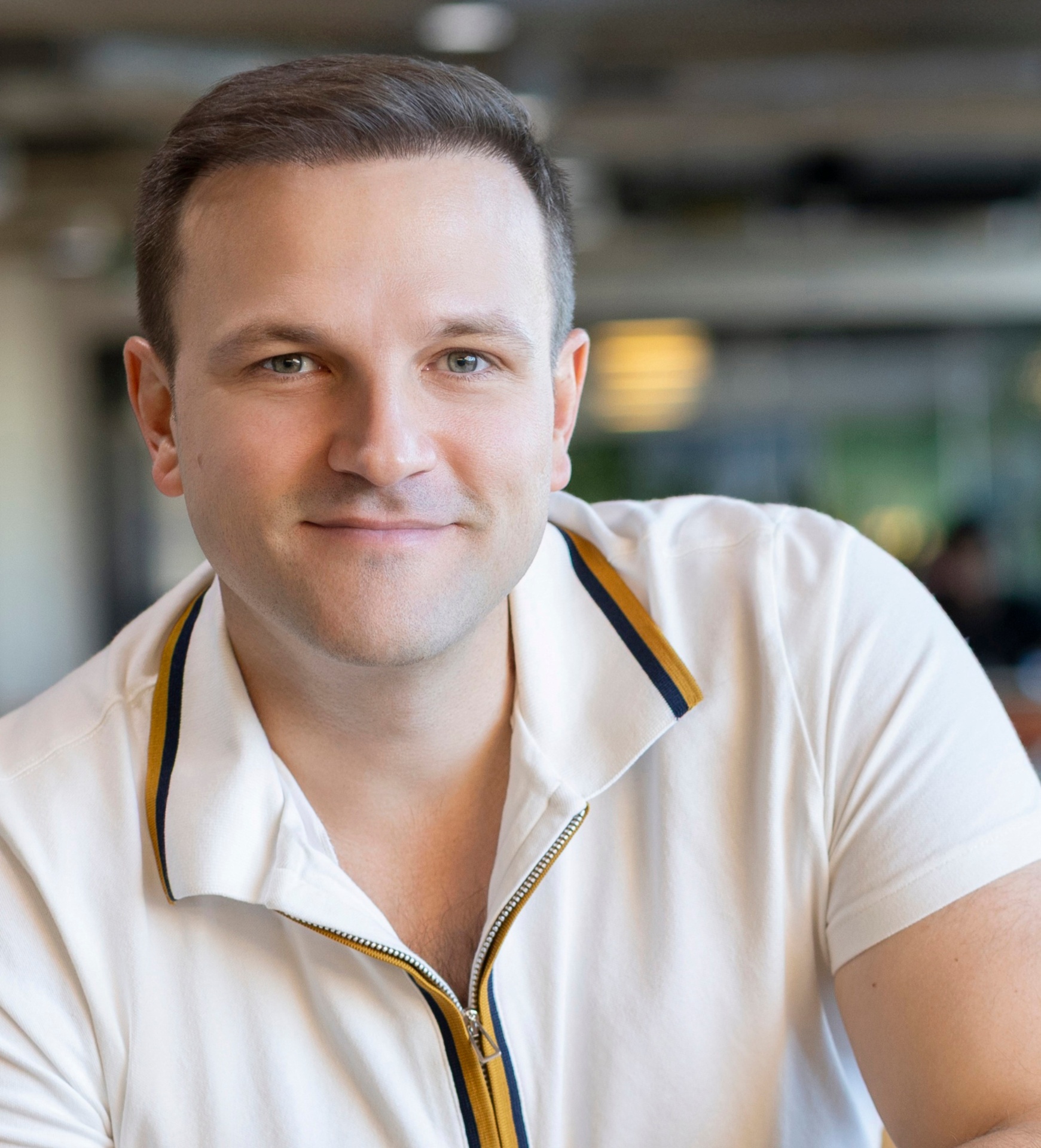 Jason Kirby· November 26, 2024· 2 min read
The short version
- Thunder was founded after a failed startup where no investor told Jason Kirby his market was too small — a mistake he built a company to prevent for others.
- 400+ companies supported through Thunder have collectively raised $1.2B+.
- Carta data shows SAFE dilution ranges from ~3.2% (under $250K) to ~22.1% ($2.5M–$5M) — with far more variation than priced rounds.
- Experienced founders consistently get better SAFE terms; negotiating blind is expensive.
- Alexandria Procter of DigsConnect raised Africa's largest seed round at the time while transitioning from CEO to CTO to author.
After two years and 100 issues, it's worth pausing to explain why any of this exists — and what the numbers actually show.
Why Thunder Exists at All
The origin isn't a polished founder story. It's a failure.
In my first real startup, I was convinced we had a venture-backable product — best in class, obvious to any investor who looked closely enough. The reality, visible only in hindsight, was that we were a small idea in a small market. Nobody told me that. I spent months chasing VCs with the wrong product for the wrong capital path. Had I focused on building a profitable business and done an angel round instead, we probably wouldn't have shut down.
No one wanted to snuff out my ambitious flame. But I wish they had.
After that, I went on to raise money, sell companies, and hit what I'd call the post-exit founder paradox — that disorienting moment when you've "made it" and immediately wonder what's next.
The answer turned out to be straightforward: I loved working with founders and I loved talking to capital allocators. Thunder was built to sit at that intersection — to give founders the honest read on their capital path that nobody gave me.
Where Things Stand
The milestone numbers, for context:
- 12,000+ newsletter subscribers
- 1,000+ YouTube subscribers on the Fundraising Demystified Podcast, 65 episodes in
- Thunder's team has doubled in size — capital strategy, it turns out, takes a village
- 400+ companies supported, collectively raising $1.2B+
That last number is the one worth sitting with.
What the SAFE Dilution Data Actually Shows
Raising a SAFE? The data from Carta is worth internalising before you sign anything.
Two things stand out:
- Bigger round = bigger slice of your company sold. This is obvious in theory but founders routinely underestimate the magnitude.
- SAFEs show far more variation than priced rounds. There's no tight market standard — which means negotiating from ignorance is expensive.
Median dilution by SAFE raise size:
- Under $250K: ~3.2%
- $500K–$999K: ~11.2%
- $2.5M–$5M: ~22.1%
SAFEs don't convert until the priced round, so the dilution isn't immediate — but these numbers give you a realistic anchor for what you're giving away. Experienced founders consistently get better terms. That gap is not small.
The Episode Worth Watching
Alexandria Procter, co-founder of DigsConnect — a South African PropTech that became Africa's largest student housing platform — walked through how she raised Africa's largest seed round at the time, and what it looked like to transition from CEO to CTO to author. It's a clean case study in non-linear founder paths and surprise fundraising moments.
The Signal Worth Bookmarking
Alex Hormozi on X posted a sharp framework on hitting your goals that's worth ten seconds of your time. No elaboration needed — just read it.
What Hasn't Changed
The mission is the same as issue one: make fundraising less intimidating and less frustrating for founders. The tools, the honest feedback, the direct line to what investors are actually thinking — that's what Thunder is for.
The founding logic still holds. Founders get bad advice, or no advice, at the exact moment it's most expensive. Closing that gap is the job.
Written by Jason Kirby.
Questions founders ask
What is typical dilution when raising a SAFE?
According to Carta data, median dilution on a SAFE is roughly 3.2% for raises under $250K, 11.2% for $500K–$999K, and 22.1% for $2.5M–$5M. SAFEs show significantly more variation than priced rounds, so the range around those medians is wide.
Why did Jason Kirby start Thunder?
After his first startup failed — partly because no investor honestly told him he was pursuing too small a market with the wrong capital strategy — Kirby wanted to give founders the direct, honest feedback he never received. Thunder was built to bridge the founder and capital-allocator worlds.
How many companies has Thunder helped raise capital?
Thunder has supported 400+ companies that have collectively gone on to raise more than $1.2B.
Your situation isn't generic. Neither is the answer.
Ask your question and get a straight answer, sourced from 100+ founders and investors who have raised and exited at scale.
Ask your board